
Italian PM Giorgia Meloni Quits Smoking: A Step Towards Better Health
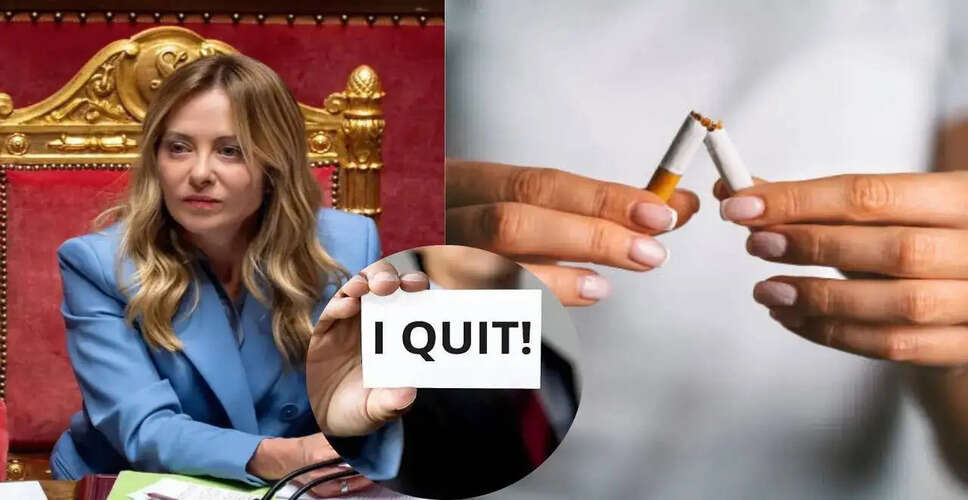

Giorgia Meloni's Bold Decision to Quit Smoking
During a light-hearted exchange with fellow European leaders at the G7 summit, Italian Prime Minister Giorgia Meloni disclosed that she stopped smoking just a month ago. While chatting with German Chancellor Friedrich Merz, European Commission President Ursula von der Leyen, European Council President Antonio Costa, and British Prime Minister Keir Starmer, Meloni mentioned that she now substitutes cigarettes with "three cups of coffee". When Merz jokingly suggested, “and a cigarette,” Meloni firmly replied, “No,” confirming her decision to quit. Von der Leyen expressed surprise, asking, “When?” to which Meloni replied, “One month ago.”
Italy's Meloni says she quit smoking at G7 Summit. pic.twitter.com/Z3NFztqS6m
— Clash Report (@clashreport) June 16, 2026
This candid revelation has ignited discussions about the critical health choice of quitting tobacco. Health professionals assert that it’s never too late to stop smoking, as the body begins its healing process almost immediately after the last cigarette.
Effects of Quitting Smoking on Your Body
Smoking adversely affects nearly every organ, heightening the risk of lung cancer, heart disease, stroke, chronic obstructive pulmonary disease (COPD), and various other cancers. However, quitting smoking initiates a remarkable healing journey.
Within 20 Minutes
Your heart rate and blood pressure start to normalize, alleviating stress on your cardiovascular system.
Within 12 Hours
Carbon monoxide levels in your bloodstream return to normal, enhancing oxygen circulation throughout your body.
Within 2 to 12 Weeks
Blood circulation significantly improves, making physical activities easier. Lung function begins to recover, leading to reduced breathlessness and enhanced endurance.
Within 1 to 9 Months
Damaged cilia, the tiny hair-like structures that cleanse your lungs, start to regenerate. Consequently, coughing decreases, breathing becomes easier, and the lungs become more adept at combating infections.
After One Year
The risk of coronary heart disease is cut by about 50% compared to individuals who continue to smoke. Over time, the chances of stroke, lung cancer, throat cancer, bladder cancer, and other smoking-related diseases continue to diminish. Many former smokers eventually reach health risks comparable to those who have never smoked.
Challenges of Quitting Smoking
Nicotine is highly addictive, making it difficult for many to quit. Withdrawal symptoms may include:
- Intense cravings for cigarettes
- Irritability
- Anxiety
- Difficulty focusing
- Sleep issues
- Increased appetite
Doctors note that these symptoms are temporary and typically improve within a few weeks as the body adjusts to life without nicotine.
Effective Strategies for Quitting Smoking
Health experts suggest combining lifestyle changes with professional assistance whenever possible. Here are some effective strategies:
- Establish a quit date and adhere to it.
- Eliminate cigarettes, lighters, and ashtrays from your environment.
- Identify triggers for smoking and devise healthier alternatives.
- Engage in regular exercise to alleviate cravings and boost mood.
- Stay hydrated and maintain a balanced diet.
- Seek support from family, friends, or smoking cessation programs.
- Consult your doctor regarding nicotine replacement therapies or prescription medications if necessary.
Reaching one month without cigarettes is a significant achievement. Each smoke-free day reduces the body’s exposure to harmful substances and lowers the risk of developing serious health conditions. Experts emphasize that quitting at any age enhances health, increases life expectancy, and improves overall quality of life.