
Is Fiber the New Superstar of Nutrition?
The Rise of Fiber in Nutrition
For a long time, protein has been the darling of the nutrition world, dominating discussions in gyms and on grocery store shelves. Products ranging from cereals to ice creams have been marketed as 'protein-rich.' However, a new contender is emerging: fiber. Health professionals, nutritionists, and researchers focused on gut health are increasingly highlighting fiber as a crucial component of our diets. This raises an intriguing question: could fiber be the new protein?
Understanding the Fiber Phenomenon
Fiber is a unique carbohydrate that the body cannot digest. Instead of being converted into energy, it passes through the digestive system mostly unchanged. This characteristic is what makes fiber so beneficial. It nourishes the trillions of beneficial bacteria residing in the gut, which are essential for maintaining a healthy microbiome. These microorganisms play vital roles in digestion, immune function, inflammation management, and even mood stabilization.
Recent studies suggest that many contemporary health issues, including obesity, diabetes, and digestive problems, are associated with insufficient fiber intake. The recommended daily fiber consumption is approximately 25 to 30 grams, yet most individuals consume less than half of that. The prevalence of processed foods, refined grains, and fast-paced lifestyles has gradually diminished fiber's presence in our diets.
The Shift in Focus
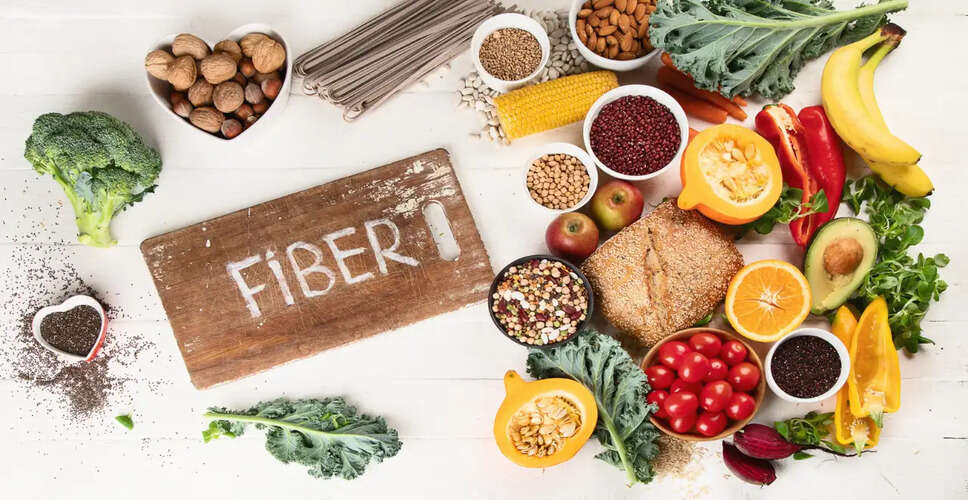
This is where the recent shift in dietary focus comes into play. Nutritionists are encouraging individuals to prioritize plant-based foods over protein supplements. Foods rich in fiber, such as fruits, vegetables, legumes, nuts, seeds, and whole grains, promote long-term health benefits that protein alone cannot provide.
One of fiber's remarkable properties is its ability to regulate blood sugar levels. Soluble fiber slows down sugar absorption in the bloodstream, preventing the spikes and crashes that can lead to fatigue and cravings. This makes fiber particularly beneficial for those managing diabetes or seeking to maintain consistent energy levels throughout the day.
Fiber also plays a significant role in heart health. Research indicates that high-fiber diets can lower LDL cholesterol, commonly known as 'bad cholesterol.' By binding to cholesterol particles in the digestive tract and aiding in their elimination, fiber contributes to improved cardiovascular health over time.
Fiber as a Weight Management Tool
Interestingly, fiber may be one of the most overlooked assets in weight management. Foods high in fiber tend to be more satiating, helping individuals feel full longer after meals. This naturally curbs overeating without the need for meticulous calorie tracking.
However, the increasing emphasis on fiber does not diminish the importance of protein. Protein remains vital for muscle recovery, hormone production, and immune health. The key is achieving a balanced diet. Many contemporary diets emphasize protein while neglecting the diverse plant foods that provide essential fiber.
Rather than replacing protein, fiber serves as a reminder of a fundamental principle in nutrition: health thrives on variety. A plate filled with colorful vegetables, beans, grains, and nuts offers a broad spectrum of nutrients that work synergistically to support overall health. So, is fiber the new protein? Not quite. However, it may be the essential nutrient that modern diets have been lacking. With the rising interest in gut health, fiber's time in the spotlight may finally be arriving.