
International Alarm Over Hantavirus Outbreak Linked to MV Hondius Cruise Ship

Overview of the Hantavirus Situation
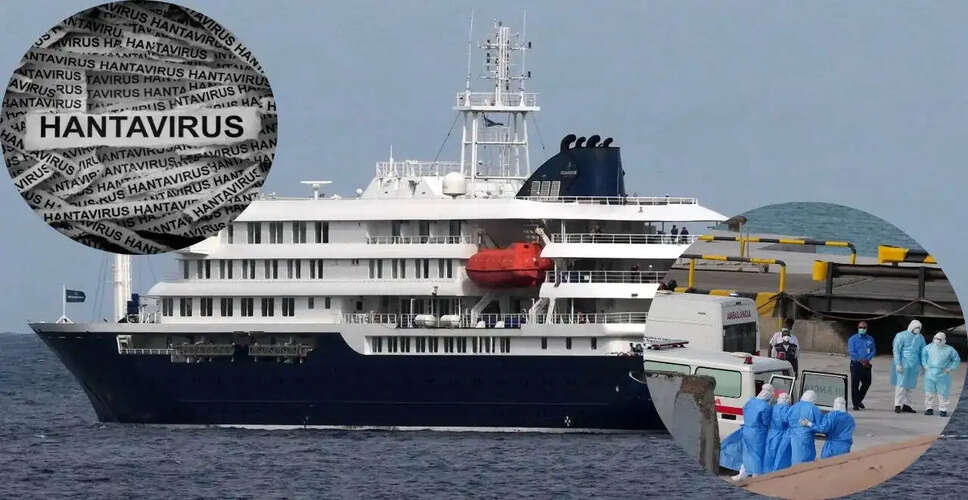
A serious hantavirus outbreak associated with the cruise ship MV Hondius has raised global health alarms, prompting the medical evacuation of infected passengers to various European ports for urgent care and monitoring. Health officials across multiple nations are implementing extensive contact tracing, isolation, and surveillance efforts to manage the rare Andes strain of hantavirus, which is known for its limited potential for human-to-human transmission.
Two patients have been transported to the Netherlands for treatment, as reported by Oceanwide Expeditions, the cruise's operating company. The Dutch foreign ministry noted that two of the evacuees exhibited “acute” symptoms, while another patient, in stable condition, was evacuated separately. The three individuals include British, Dutch, and German nationals, with the 65-year-old German evacuee being closely linked to a German woman who passed away on the ship on May 2.
This incident underscores the challenges faced by global health systems during infectious disease outbreaks, particularly in confined environments like cruise ships where passengers from diverse backgrounds interact closely over extended periods.
Details of the Outbreak on MV Hondius
What transpired on the MV Hondius?
The outbreak was reported aboard the Dutch-flagged MV Hondius, which had approximately 150 passengers and crew members on board. The World Health Organization has linked at least three fatalities to this suspected outbreak, with several others experiencing severe respiratory symptoms that necessitated hospitalization. Some infected individuals were evacuated to medical facilities in Europe and South Africa for advanced care and monitoring. Authorities later confirmed the presence of the Andes strain of hantavirus, a rare virus primarily found in regions of Argentina and Chile.
Unlike most hantaviruses that are transmitted through contact with infected rodent excretions, the Andes strain can occasionally spread between humans through prolonged close contact.
Importance of Medical Evacuations During Outbreaks
Why are medical evacuations crucial during outbreaks?
In the context of infectious disease outbreaks on ships or aircraft, swift medical evacuations are vital for containment. Experts highlight several benefits of this approach:
- Transporting critically ill patients to specialized healthcare facilities
- Minimizing exposure risks for other passengers and crew
- Facilitating quicker testing, isolation, and treatment
- Avoiding overwhelming healthcare systems
In the current hantavirus outbreak, affected individuals were moved to infectious disease centers equipped to handle respiratory emergencies and high-risk pathogens.
Understanding Contact Tracing in Outbreaks
How does contact tracing function during outbreaks?
Contact tracing is a critical tool employed by public health authorities during outbreaks. Following the latest WHO guidelines, this process involves identifying, assessing, and monitoring individuals who may have been exposed to an infected person. Health officials typically:
- Interview infected patients about their recent interactions
- Identify close contacts, such as cabin mates or travel companions
- Monitor symptoms over days or weeks
- Recommend testing, isolation, or travel restrictions as needed
In the case of the MV Hondius outbreak, authorities in Argentina, Switzerland, South Africa, the Netherlands, and other European nations began tracing passengers and crew who may have had close contact with infected individuals.
Vulnerability of Cruise Ships to Outbreaks
Why are cruise ships and confined spaces susceptible to outbreaks?
Experts indicate that cruise ships present unique challenges during disease outbreaks due to the shared enclosed spaces where passengers spend extended periods together. Dining areas, entertainment venues, cabins, and recreational facilities create opportunities for rapid disease transmission. Lessons learned from the COVID-19 pandemic have also influenced how cruise ship outbreaks are managed today, with many operators and governments adopting stricter sanitation, quarantine, and onboard medical monitoring protocols.
Monitoring Symptoms of Hantavirus
Symptoms that healthcare professionals are observing
Initial symptoms of hantavirus infection often mimic those of the flu, complicating early detection. Common signs include fever, muscle aches, fatigue, headaches, and respiratory distress. In severe cases, patients may develop Hantavirus Pulmonary Syndrome (HPS), a potentially life-threatening respiratory condition requiring intensive care. Despite the global response, health experts emphasize that the overall risk remains low. Human-to-human transmission of the Andes strain is rare and typically necessitates prolonged close contact. However, the outbreak on the MV Hondius illustrates how swiftly infectious diseases can escalate into international public health issues in our interconnected world. The coordinated response—encompassing medical evacuations, isolation, contact tracing, and cross-border surveillance—highlights the necessity for rapid global collaboration in addressing emerging infectious diseases.