
Intensified Efforts Against Dengue and Mosquito-Borne Diseases in Noida
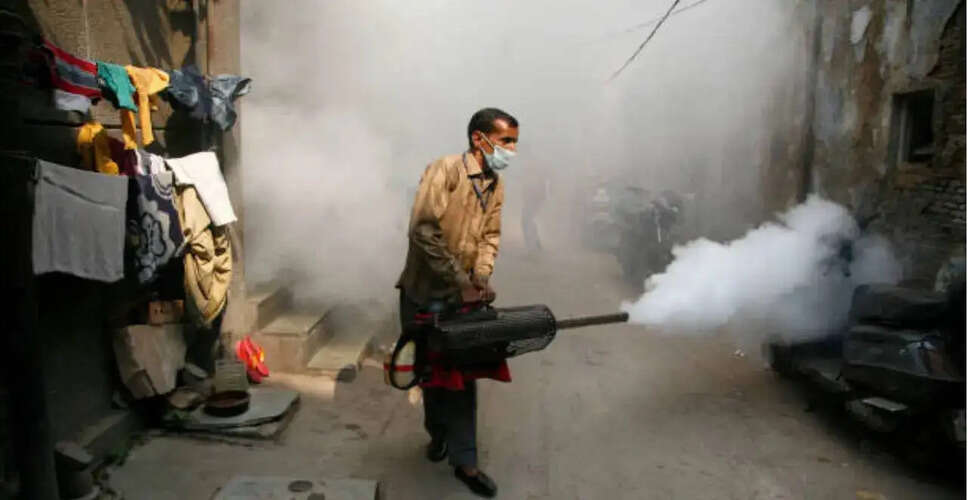

Heightened Vigilance Against Dengue in Noida
As the monsoon season fosters ideal conditions for mosquito proliferation, the health department of Gautam Budh Nagar is ramping up its initiatives to combat dengue, malaria, and other vector-borne illnesses. Several areas in Noida, such as Barola, Surajpur, Kasna, and Sector 50, have been identified as dengue hotspots following the discovery of mosquito breeding sites and an increase in reported cases. Currently, health officials have confirmed 21 dengue cases in the district and are actively working to avert a larger outbreak through various measures including surveillance, awareness campaigns, fogging, and door-to-door inspections.
Monitoring Dengue Hotspots
The health department has pinpointed six to seven high-risk zones where dengue cases have been documented or where stagnant water and mosquito larvae were found during inspections. These areas encompass both gated communities and densely populated neighborhoods. Resident Welfare Associations (RWAs) have been instructed to organize cleanliness drives, eliminate stagnant water, and inform residents about mosquito control strategies.
Over 650 ASHA workers have been mobilized throughout Gautam Budh Nagar to perform door-to-door fever surveillance, locate mosquito breeding sites, and promote awareness regarding dengue prevention.
Understanding the Rise in Dengue Cases
The Aedes aegypti mosquito, responsible for transmitting dengue, thrives in clean stagnant water found in flowerpots, coolers, buckets, overhead tanks, discarded tires, and construction sites. Even minor accumulations of water can become breeding grounds within a week. The combination of heavy rainfall and warm temperatures during the monsoon creates optimal conditions for rapid mosquito reproduction, heightening the risk of community transmission.
Recognizing Dengue Symptoms
Early detection is crucial in preventing severe complications. Common symptoms of dengue include:
- High fever
- Severe headache
- Pain behind the eyes
- Muscle and joint pain
- Skin rash
- Nausea and vomiting
- Extreme fatigue
Immediate medical attention should be sought if warning signs appear, such as persistent vomiting, severe abdominal pain, bleeding from gums or nose, difficulty breathing, or unusual drowsiness, as these may indicate severe dengue, which can be life-threatening.
Preventive Measures Against Dengue
Health experts suggest several preventive strategies, including regularly emptying and cleaning water coolers, securely covering all water storage containers, removing stagnant water, wearing long-sleeved clothing during early morning and late afternoon, using mosquito repellents and nets, installing window screens, and maintaining cleanliness to eliminate mosquito breeding sites. The Noida Authority has initiated a month-long fogging and anti-larval campaign, with teams operating in various sectors during evening hours when mosquito activity peaks.
Concerns Over Malaria and Scrub Typhus
In addition to dengue, neighboring Ghaziabad has reported new cases of malaria and scrub typhus, a seasonal infection caused by bacteria transmitted through infected chigger mites. Health experts recommend avoiding overgrown vegetation, wearing protective clothing during outdoor activities, and seeking medical attention if fever persists after exposure.
Stay Vigilant This Monsoon
Last year, Noida experienced approximately 650 dengue cases, underscoring the rapid spread of infections during the rainy season. Public health officials emphasize that community involvement is the most effective strategy against mosquito-borne diseases. Simple actions such as eliminating stagnant water, maintaining household hygiene, and seeking prompt treatment for fever can significantly lower the risk of dengue and help prevent a widespread outbreak this monsoon.