
Innovative Vaccine Shows Promise in Preventing Pancreatic Cancer
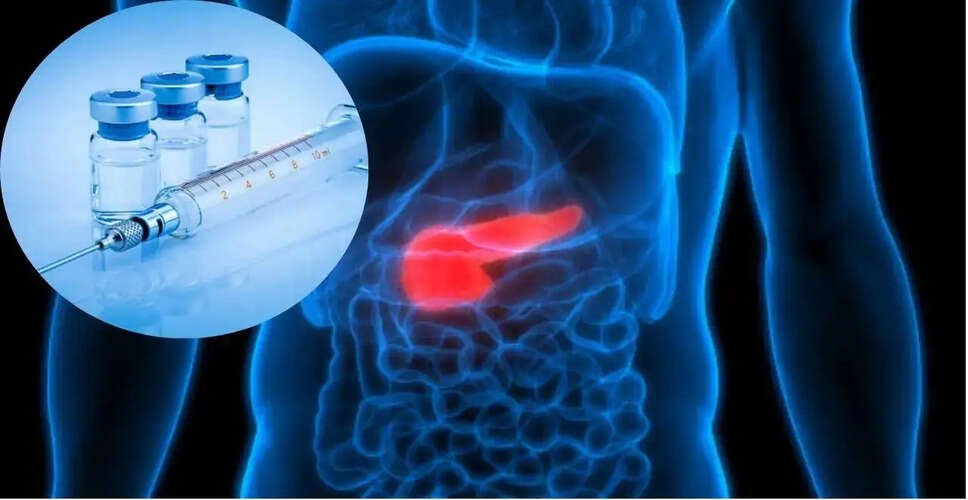

Breakthrough in Pancreatic Cancer Prevention
Pancreatic cancer is notorious for being one of the most lethal types of cancer, often referred to as the "silent killer" due to the late onset of symptoms, which typically arise only when the disease has progressed significantly. However, a new experimental vaccine is providing hope for prevention, particularly for individuals with genetic predispositions that elevate their risk. Researchers at the Johns Hopkins Kimmel Cancer Center have shared promising outcomes from an early clinical trial of a vaccine aimed at training the immune system to detect and eliminate abnormal cells before they can evolve into pancreatic cancer. These findings, published in the journal Cancer Discovery, represent a significant advancement in the fight against one of the most aggressive cancers.
A Vaccine Targeting Cancer at Its Roots
This innovative vaccine differs from conventional vaccines that guard against infectious diseases; it focuses on preventing cancer by targeting cells with KRAS gene mutations. These mutations account for nearly 90% of hereditary pancreatic cancers and are among the first genetic alterations that lead to tumor development. The vaccine, named mKRAS-VAX, instructs the immune system to recognize and destroy cells harboring these mutations before they can progress into harmful tumors.
Study Findings
The phase 1 trial involved 20 participants who possessed inherited genetic mutations that significantly heightened their risk of pancreatic cancer. Over a span of 13 weeks, participants received four vaccine injections and were monitored for about 16.5 months. The results were promising, with 18 out of 20 participants exhibiting a robust immune response post-vaccination, and none developing precancerous pancreatic lesions during the follow-up. Additionally, 37.5% of those vaccinated saw a reduction or complete disappearance of pancreatic cysts, in contrast to just 6.8% among unvaccinated individuals. The vaccine was also deemed safe and well-tolerated, with no major safety issues reported.
Importance of This Research
Pancreatic cancer is notoriously challenging to treat, primarily because it seldom presents symptoms in its early stages. The American Cancer Society estimates that over 67,000 Americans will be diagnosed with pancreatic cancer this year, with nearly 53,000 expected to succumb to the disease. Approximately 10% of pancreatic cancer cases are hereditary, resulting from inherited gene mutations. For these individuals, current preventive measures are limited to regular imaging and monitoring, with surgery being an option if suspicious changes are detected, though recurrence rates remain high. A preventive vaccine could revolutionize this strategy by intercepting abnormal cells before they develop into cancer.
Need for Further Research
Despite the encouraging results, researchers emphasize that the vaccine has not yet been proven to prevent pancreatic cancer. The trial's primary focus was on assessing safety and determining if the vaccine could effectively activate the immune system, rather than confirming its cancer-preventive capabilities. Future larger clinical trials with more participants and extended follow-up periods will be essential before this vaccine can be integrated into standard care.