
Innovative Tongue Pacemaker Device Offers Hope for Sleep Apnea Patients

Introduction to the Tongue Pacemaker
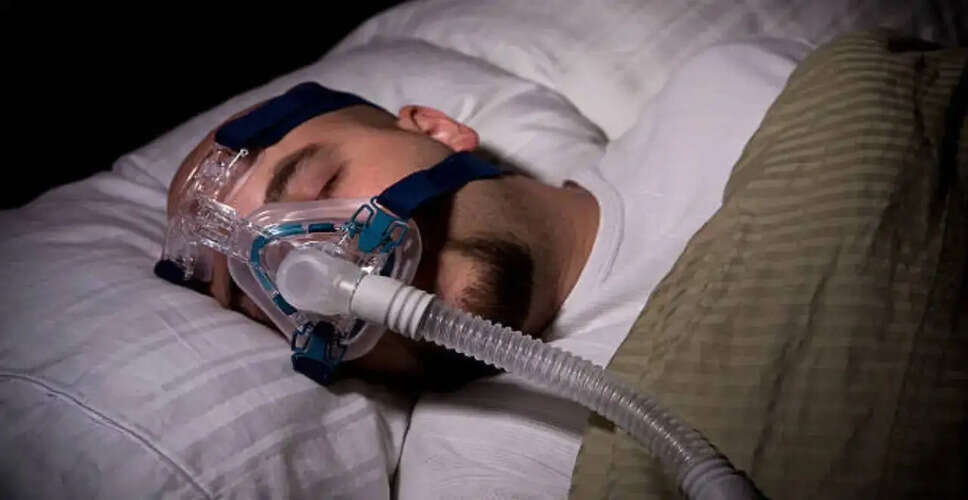
A groundbreaking implantable device, often referred to as a "tongue pacemaker," presents new possibilities for individuals suffering from obstructive sleep apnea (OSA) who find CPAP machines intolerable. A recent study published in JAMA Otolaryngology - Head and Neck Surgery indicates that this novel treatment could enhance sleep quality and lower the risk of serious health issues like diabetes and hypertension. The research highlights that hypoglossal nerve stimulation (HGNS) might serve as a vital alternative for patients unable to consistently utilize traditional Continuous Positive Airway Pressure (CPAP) therapy.
Understanding Obstructive Sleep Apnea
What is Obstructive Sleep Apnea?
Obstructive sleep apnea is a prevalent sleep disorder impacting millions globally. It occurs when throat muscles relax during sleep, leading to repeated airway blockages. These interruptions in breathing can lower oxygen levels and wake the brain multiple times, often without the individual being aware. Common symptoms include:
- Loud snoring
- Gasping or choking during sleep
- Excessive daytime drowsiness
- Morning headaches
- Poor concentration and fatigue
If left untreated, sleep apnea can significantly heighten the risk of heart disease, stroke, hypertension, type 2 diabetes, obesity, and irregular heart rhythms.
Mechanism of the Tongue Pacemaker
How Does the Tongue Pacemaker Function?
The hypoglossal nerve stimulation (HGNS) device operates differently from a CPAP machine. In a minimally invasive procedure, surgeons place an electrode around the hypoglossal nerve, which governs tongue movement. This electrode connects to a small device implanted beneath the skin in the upper chest. When the patient inhales during sleep, the implant sends a gentle electrical pulse that nudges the tongue forward, preventing it from collapsing backward and obstructing the airway, thus allowing for uninterrupted breathing throughout the night. Unlike CPAP, which requires a mask and machine, HGNS functions internally and activates only during sleep.
Study Findings on HGNS
What Did the Study Reveal?
Researchers from the University of Chicago Medicine examined nearly 3,400 patients who received HGNS implants, comparing them to a similar number of eligible sleep apnea patients who could not consistently use CPAP therapy. After two years, those treated with HGNS showed an 81% lower risk of developing diabetes and a 51% lower risk of high blood pressure. Lead researcher Dr. Neil Kondamuri noted that poor adherence is a significant challenge with CPAP therapy, as many patients discontinue use due to discomfort, noise, or difficulty sleeping. The researchers believe that those unable to use CPAP regularly may greatly benefit from alternative treatments like HGNS.
Comparing HGNS and CPAP
Is HGNS Superior to CPAP?
While CPAP remains the gold standard for treating moderate to severe obstructive sleep apnea due to its effectiveness when used consistently, many patients struggle to wear it for the recommended five to six hours nightly, diminishing its benefits. For carefully selected individuals, HGNS may provide:
- Improved long-term adherence to treatment
- Enhanced sleep quality
- Greater comfort compared to CPAP masks
- Potential reduction in cardiometabolic health risks
However, doctors emphasize that HGNS is not suitable for everyone. Patients must be evaluated by a sleep medicine specialist or a sleep-trained ENT surgeon to determine if their airway anatomy qualifies them as good candidates.
Need for Further Research
More Research is Required
Although the results are promising, researchers caution that the study only followed patients for two years. Longer-term studies are necessary to ascertain whether HGNS can also mitigate the long-term risks of heart attacks, heart failure, atrial fibrillation, stroke, and other cardiovascular issues associated with untreated sleep apnea. For individuals with obstructive sleep apnea who cannot tolerate CPAP therapy, the hypoglossal nerve stimulation "tongue pacemaker" presents a hopeful alternative. In addition to enhancing sleep, it may also help lower the risk of developing type 2 diabetes and hypertension, two significant health concerns linked to untreated sleep apnea.