
Innovative Osteoarthritis Treatment Offers Hope for Joint Repair

Revolutionary Approach to Osteoarthritis Management
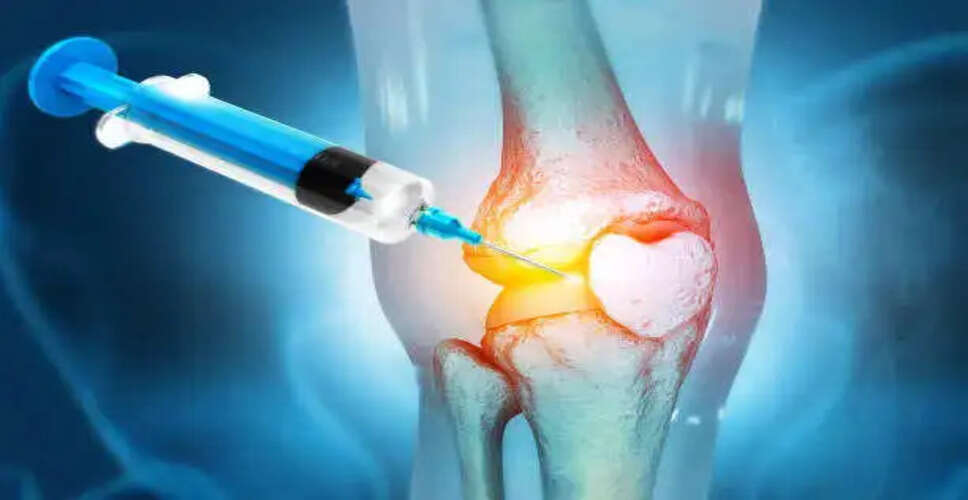
Researchers from the University of Colorado Boulder, CU Anschutz, and Colorado State University have developed a groundbreaking treatment for osteoarthritis that could significantly alter the management of this joint disease for millions. Unlike traditional methods that primarily focus on pain relief, these experimental therapies aim to repair damaged cartilage and regenerate joints, potentially postponing or even eliminating the need for joint replacement surgeries. In animal studies, these treatments have shown impressive results, with damaged joints healing within weeks. The research team is now looking to initiate human clinical trials soon.
Understanding Osteoarthritis
What is Osteoarthritis?
Osteoarthritis is the most prevalent type of arthritis, impacting millions globally. It occurs when the cartilage that cushions the ends of bones deteriorates over time, leading to bones rubbing against each other. Symptoms often include joint pain, stiffness, swelling, decreased flexibility, and sounds like cracking or grinding in the joints. This condition typically affects the knees, hips, hands, and spine, and its prevalence increases with age, obesity, prior injuries, and repetitive stress on the joints.
Limitations of Current Treatments
Why Current Treatments Fall Short
Currently, there is no definitive cure for osteoarthritis. Most available treatments focus on alleviating symptoms through pain relievers, anti-inflammatory drugs, physiotherapy, weight management, steroid injections, and, in severe cases, joint replacement surgery. While these methods can help manage pain, they do not repair damaged cartilage or reverse the disease process.
Mechanism of the New Treatment
How the New Treatment Functions
The research team has created two regenerative therapies aimed at facilitating natural healing of joints.
Injectable Regenerative Therapy
The first treatment involves an FDA-approved drug delivered via a specially designed particle system. A single injection into the affected joint gradually releases the medication over several months, reducing inflammation and promoting cartilage repair. In animal studies, arthritic joints returned to a healthy state within four to eight weeks post-treatment.
Biomaterial Cartilage Repair System
The second therapy targets patients with significant cartilage or bone damage. During a minimally invasive procedure, doctors inject a specialized biomaterial into the damaged area. This material solidifies within the joint and attracts the body's own repair cells, aiding in the natural regeneration of cartilage and bone. Researchers have reported complete repair of damaged areas in animal models.
Potential Impact of the New Treatments
Why This Could Be a Major Medical Breakthrough
Unlike existing therapies that primarily address symptoms, these new treatments focus on the underlying damage caused by osteoarthritis. If human trials yield positive results, they could:
- Repair damaged cartilage
- Restore joint functionality
- Alleviate chronic pain
- Postpone or eliminate the need for joint replacement surgery
- Enhance mobility and overall quality of life
- Provide a minimally invasive treatment alternative
These therapies have also shown regenerative effects in human cells obtained from patients undergoing joint replacement surgery.
Timeline for Human Trials
When Could Human Trials Commence?
The research has secured funding of up to $33.5 million from the Advanced Research Projects Agency for Health (ARPA-H) through its Novel Innovations for Tissue Regeneration in Osteoarthritis (NITRO) program. Following successful animal trials, the project has progressed to its second phase. Researchers aim to publish their findings in a peer-reviewed journal later this year and anticipate that human clinical trials could start within the next 18 months, subject to regulatory approvals. While the treatment remains experimental, these findings provide new hope for individuals suffering from osteoarthritis. A future where a single injection can repair damaged cartilage rather than merely masking pain could revolutionize arthritis care. Until clinical trials confirm safety and efficacy in humans, experts advise continuing evidence-based treatments, maintaining physical activity, keeping a healthy weight, and seeking prompt medical attention for persistent joint pain.