
Innovative mRNA Vaccine Offers New Hope for Pancreatic Cancer Patients

Promising Advances in Pancreatic Cancer Treatment
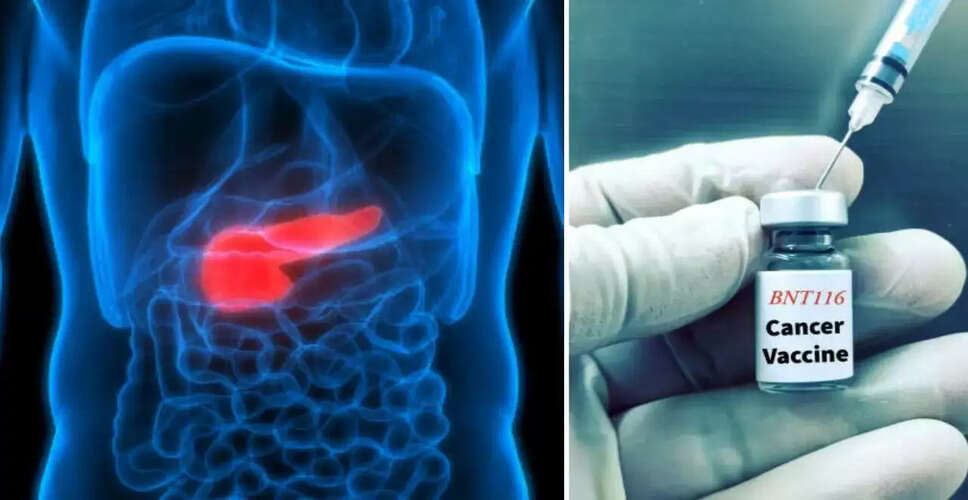
A significant breakthrough in the treatment of pancreatic cancer is providing new optimism against this aggressive disease. A personalized mRNA cancer vaccine has demonstrated encouraging outcomes, with several patients living up to six years post-treatment—a remarkable achievement in a condition where long-term survival is uncommon. Developed by Memorial Sloan Kettering Cancer Center and its collaborators, the vaccine has shown that nearly 90% of patients who responded to the treatment are still alive. This innovative vaccine works by training the immune system to target and eliminate cancer cells, showcasing great potential for pancreatic cancer therapy.
A Patient's Journey of Hope
A Patient's Journey of Hope
Donna Gustafson, aged 72, received a diagnosis of stage 2 pancreatic cancer after experiencing jaundice during a trip. Her diagnosis was unexpected, as pancreatic cancer often remains undetected until it reaches advanced stages. Following surgery to remove the tumor, Gustafson participated in a clinical trial for the personalized cancer vaccine. Years later, she is cancer-free, exemplifying the success of this groundbreaking approach.
Understanding the Lethality of Pancreatic Cancer
Understanding the Lethality of Pancreatic Cancer
Pancreatic cancer is particularly deadly, with a five-year survival rate of less than 13%. This is primarily due to several factors:
- Lack of routine screening tests
- Symptoms often manifest late
- Only about 20% of cases are operable
These challenges underscore the importance of early detection and effective treatments following surgery.
Mechanism of the Personalized mRNA Vaccine
Mechanism of the Personalized mRNA Vaccine
This innovative vaccine represents a form of immunotherapy, specifically designed to enhance the body’s immune response against cancer. Unlike conventional treatments, it is customized for each individual. During surgery, doctors gather tumor tissue, which is then analyzed for genetic mutations. Based on this analysis, a tailored mRNA vaccine is produced, training the immune system to identify and destroy cancer cells. Experts aim not only to treat existing cancer but also to prevent its recurrence by targeting hidden cancer cells.
Significance of This Breakthrough
Significance of This Breakthrough
In the Phase 1 clinical trial, over half of the participants exhibited a robust immune response, and those who did showed significantly extended survival rates. Six years later, several patients remain alive and cancer-free. The vaccine activates powerful T cells, including killer T cells that attack cancer and helper T cells that support long-term immunity. This dual response is crucial for preventing cancer recurrence.
A New Direction in Cancer Treatment
A New Direction in Cancer Treatment
Previous attempts at cancer vaccines for advanced stages yielded limited results. This new research indicates that timing is essential—vaccines may be most effective when administered after tumor removal in early-stage cancer. Experts believe this strategy could transform the treatment landscape for challenging cancers, particularly those previously deemed resistant to immunotherapy. Encouraged by these findings, researchers and companies are initiating larger Phase 2 trials to further validate these results. Additionally, scientists are investigating other vaccine strategies, including targeting common mutations like KRAS, prevalent in many pancreatic cancers.
This breakthrough in pancreatic cancer treatment signifies a major advancement in cancer research. Although still in the early phases, personalized mRNA vaccines represent a new frontier in precision medicine and immunotherapy, offering hope for patients facing a disease historically linked to poor prognoses.