
Infant Hospitalized with Herpes After Brit Milah Ceremony Raises Safety Concerns
Infant's Hospitalization Sparks Urgent Health Discussions
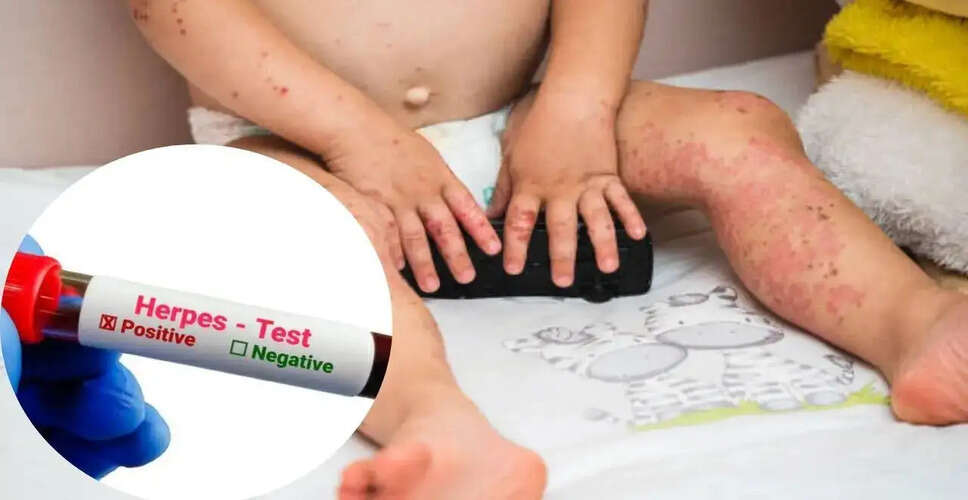
A two-week-old infant was admitted to the emergency department at Wolfson Medical Centre in Tel Aviv due to a severe herpes infection linked to a traditional Brit Milah ceremony, a Jewish circumcision ritual. The baby is currently undergoing treatment for the potentially deadly virus, prompting critical discussions about safety protocols and awareness surrounding such practices.
As reported by a local news outlet, the newborn contracted the herpes simplex virus (HSV-1) during the ritual, which in certain orthodox customs may involve direct oral suction. Although this practice is not universally adopted, medical professionals have long cautioned against the risks of infection transmission through oral contact.
Shortly after the procedure, the infant exhibited symptoms that necessitated immediate hospitalization due to the severity of the infection. Dr. Diana Tasher, who leads the pediatric department at Wolfson Medical Center, stated, “The baby arrived with lesions in the circumcision area, and after a thorough medical assessment, it was confirmed to be a herpes infection.” Furthermore, tests revealed that the infant’s cerebrospinal fluid was also positive for herpes, indicating that the infection had affected the central nervous system. Dr. Tasher emphasized the importance of avoiding such practices due to the associated medical risks.
Understanding the Risks of Herpes in Newborns
Why is herpes dangerous for infants?
Experts highlight that while herpes infections in adults can often be managed, neonatal herpes poses significant health risks and can be fatal. Newborns, with their immature immune systems, are particularly susceptible to infections. Common symptoms of herpes in infants may include:
- High fever or low body temperature
- Lethargy or irritability
- Skin blisters or lesions
- Feeding difficulties
- Respiratory issues
If not treated promptly, the virus can spread to critical organs, including the brain, potentially resulting in encephalitis, organ failure, or death.
Transmission and Prevention of Herpes
How does the herpes virus spread?
The herpes simplex virus is typically spread through direct contact with infected saliva or skin lesions. In the context of oral suction during circumcision, the risk increases if the person performing the ritual is a carrier of the virus, even if they show no visible symptoms. Medical professionals stress that HSV can be transmitted even in the absence of active sores, complicating detection and prevention efforts without stringent precautions.
This incident has reignited concerns among healthcare providers, as experts advocate for safer alternatives and stricter medical guidelines to mitigate risks associated with Brit Milah. Public health authorities in various countries have previously issued recommendations, including:
- Avoiding direct oral contact during medical procedures
- Utilizing sterile techniques and equipment
- Ensuring adequate medical supervision
Treatment Options for Herpes
How is herpes treated?
According to medical sources, while there is no cure for herpes (HSV-1 and HSV-2), antiviral medications can effectively manage symptoms, decrease the frequency of outbreaks, and lower transmission risks. Commonly prescribed treatments include acyclovir, valacyclovir, and famciclovir. These medications are most effective when started within 48 hours of the onset of symptoms, often reducing healing time by one to two days. Treatment strategies may also involve taking medication at the first sign of symptoms to lessen the severity and duration of an outbreak, as well as suppressive therapy, which entails daily medication to prevent outbreaks and significantly reduce the risk of transmission to partners.