
India's Health Landscape: Progress in Nutrition and Rising Lifestyle Diseases

Significant Advances in Child and Maternal Health
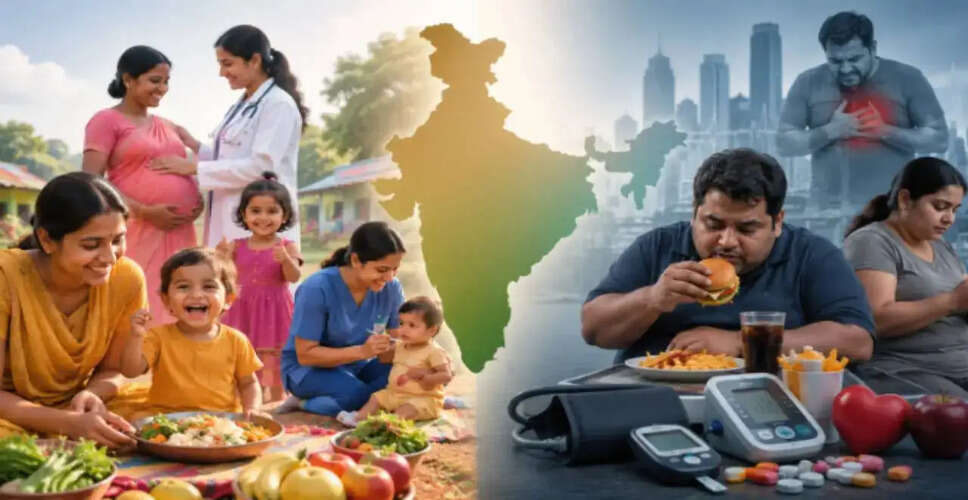
Recent data from the National Family Health Survey-6 (NFHS-6) reveals that India has made notable strides in child nutrition, maternal health, and immunization rates. However, experts caution that the country is facing a growing crisis with rising rates of obesity, diabetes, hypertension, and other lifestyle-related diseases. The survey, published by the Union Health Ministry, highlights a troubling “dual burden” where progress against undernutrition coexists with a surge in non-communicable diseases linked to modern living.
#HealthForAllUnion Health Ministry Releases National Family Health Survey – 6NFHS-6 Reflects India’s Accelerated Progress in Maternal and Child Health, Nutrition and Financial ProtectionInstitutional Deliveries Reach 90.6%ANC Coverage increases from 92.6% to 95.9%Any… pic.twitter.com/9aSHU2RYua
— Ministry of Health (@MoHFW_INDIA) May 29, 2026
Improvements in Child Malnutrition
Child malnutrition indicators show improvement
The NFHS-6 survey, conducted in 2023–24 across approximately 6.79 lakh households in 715 districts, indicates a decline in child stunting from 35.5% to 29.3% among children under five years old, and a drop in severe wasting from 7.7% to 5.2%. Additionally, full immunization coverage has risen from 83.8% to 87.1%, and institutional deliveries have reached 90.6%. Experts attribute these advancements to enhanced vaccination initiatives, improved maternal healthcare, increased awareness about nutrition, and broader access to healthcare services throughout India.
Enhancements in Maternal Healthcare
Maternal healthcare also sees improvement
The survey also highlights advancements in maternal and reproductive health metrics. Notable improvements include antenatal care coverage increasing to 95.9%, enhanced iron and folic acid supplementation during pregnancy, and better access to institutional healthcare during childbirth. Medical professionals emphasize that maternal nutrition and prenatal care are vital for minimizing complications during pregnancy and enhancing long-term health outcomes for children.
Expansion of Health Insurance Coverage
Health insurance coverage expands
NFHS-6 reveals a significant rise in health insurance access, with coverage increasing from 41% to 60.2% of households. Experts suggest that initiatives like Ayushman Bharat PM-JAY have played a crucial role in enhancing financial protection and healthcare accessibility for numerous families.
Rising Concerns Over Obesity and Lifestyle Diseases
Obesity and lifestyle diseases are rising rapidly
Despite the progress made against malnutrition, the report highlights the alarming rise of obesity and non-communicable diseases as a pressing health crisis. Medical professionals warn that India is increasingly facing issues such as:
- Obesity
- Type 2 diabetes
- High blood pressure
- Heart disease
- Fatty liver disease
- Sedentary lifestyle disorders
Factors such as changing diets, decreased physical activity, poor sleep, stress, and high consumption of processed foods are contributing to this trend. Health experts note that urbanization and screen-dominated lifestyles are leading to obesity even among younger adults and adolescents.
The Dual Burden of Disease
India is facing a `dual burden’ of disease
Public health experts indicate that India is now confronted with a unique challenge where undernutrition persists in vulnerable groups while overnutrition and obesity are rapidly escalating. This “dual burden” poses a strain on healthcare systems, as both conditions necessitate long-term medical and nutritional interventions. Researchers point out that lower-income populations may still grapple with anemia, stunting, and micronutrient deficiencies, while middle- and higher-income groups increasingly contend with obesity and chronic illnesses.
The Importance of Preventive Healthcare
Why preventive healthcare matters?
Healthcare professionals assert that the findings from NFHS-6 underscore the urgent need for robust preventive healthcare policies. Experts advocate for balanced nutrition, regular physical activity, reduced intake of sugar and processed foods, and improved sleep habits, alongside routine health screenings and early detection of diabetes and hypertension. Public health specialists emphasize that prevention will be crucial in managing India’s future burden of chronic diseases.
Continuing Health Transition in India
India’s health transition continues
The latest survey indicates that India has made considerable progress in enhancing healthcare access, child nutrition, and maternal health. However, experts warn that the next significant challenge will be addressing obesity and lifestyle-related diseases before they escalate into a larger national health crisis. Physicians stress that sustaining long-term public health advancements will require equal focus on both nutritional deficiencies and modern lifestyle disorders.