
India's First Dengue Vaccine Qdenga Set for Launch Amid Rising Cases

Introduction to Qdenga Vaccine
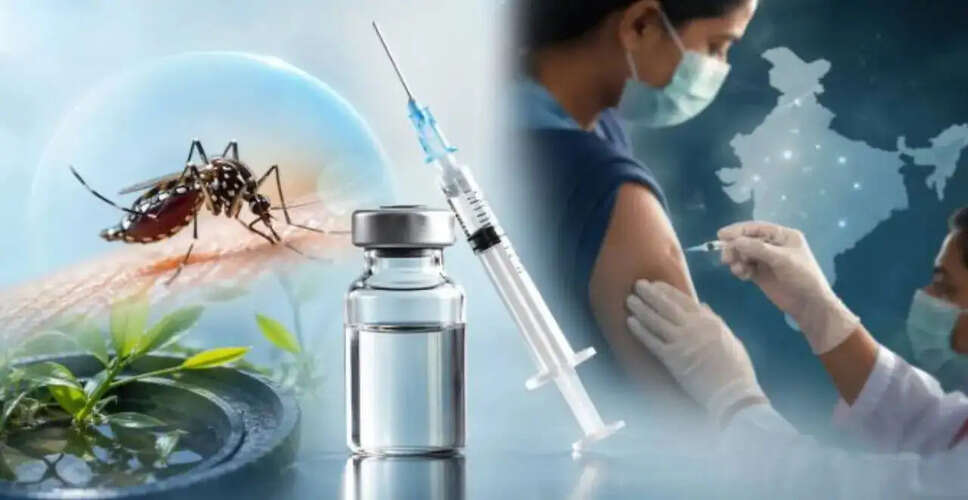
India is poised to make a significant advancement in public health with the imminent launch of its inaugural dengue vaccine, Qdenga (TAK-003). Developed by Takeda Pharmaceutical Company and produced locally in collaboration with Biological E, this vaccine is expected to be available soon, coinciding with a surge in dengue cases nationwide. Dengue, a disease transmitted by mosquitoes, requires continuous medical attention and a tailored recovery approach.
The Need for a Dengue Vaccine in India
Why India Needs a Dengue Vaccine
Dengue is transmitted by the Aedes aegypti mosquito and has reached hyperendemic levels in India. With all four serotypes of the virus circulating, outbreaks are increasingly common, particularly during the monsoon season. Government statistics reveal a steady rise in dengue cases, with approximately 44,000 reported in 2020, escalating to over 230,000 in 2023 and 2024. In 2025, more than 113,000 cases were documented, and experts suggest the actual numbers could be even higher due to underreporting.
Understanding Qdenga
What is Qdenga and How Does It Function?
Qdenga is a live attenuated tetravalent vaccine designed to provide protection against all four dengue virus strains: DEN-1, DEN-2, DEN-3, and DEN-4. Unlike previous vaccines, Qdenga is effective for individuals regardless of prior dengue exposure, training the immune system to recognize and combat all strains, thereby significantly lowering the risk of severe dengue and hospitalization. The vaccine is administered in two doses, typically three months apart. It has undergone testing with over 60,000 participants globally, received approval in more than 40 countries, and has been prequalified by the World Health Organization (WHO), indicating robust safety and efficacy.
Target Groups for Vaccination
Who Should Receive the Dengue Vaccine?
While official guidelines are forthcoming from health authorities, experts recommend prioritizing the following groups for vaccination:
- Children, who are particularly susceptible to complications
- Elderly individuals, who face a higher risk of severe illness
- Residents in dengue-prone regions
- Outdoor workers, who are frequently exposed to mosquitoes
- Travelers heading to high-risk areas
Complementary Preventive Measures
Is the Vaccine a Comprehensive Solution Against Dengue?
Experts caution that while the dengue vaccine is a significant advancement, it should not be viewed as a standalone solution. Preventive measures remain crucial, necessitating active public and governmental involvement to promote cleanliness and personal hygiene in communities. The vaccine serves as an additional protective layer, especially in high-risk areas. The severity of dengue often hinges on the immune response of the body, particularly after a second infection. Effective strategies to mitigate dengue incidence include:
- Avoiding stagnant water to prevent mosquito breeding
- Utilizing mosquito repellents and nets
- Wearing long-sleeved clothing
- Keeping surroundings clean
Potential Side Effects of Qdenga
Are There Any Side Effects of the Vaccine?
As with most vaccines, Qdenga may lead to mild side effects, including:
- Low-grade fever
- Headaches
- Fatigue
- Pain at the injection site
Serious side effects are rare, and overall safety data have been reassuring. The approval of Qdenga represents a major breakthrough in dengue prevention. Experts believe that if effectively integrated into national health initiatives led by organizations like the Indian Council of Medical Research and the Ministry of Health and Family Welfare, it could significantly alleviate the disease burden.