
India's Cervical Cancer Prevention Efforts: Cervavac HPV Vaccine to be Added to Immunization Program

Strengthening the Fight Against Cervical Cancer
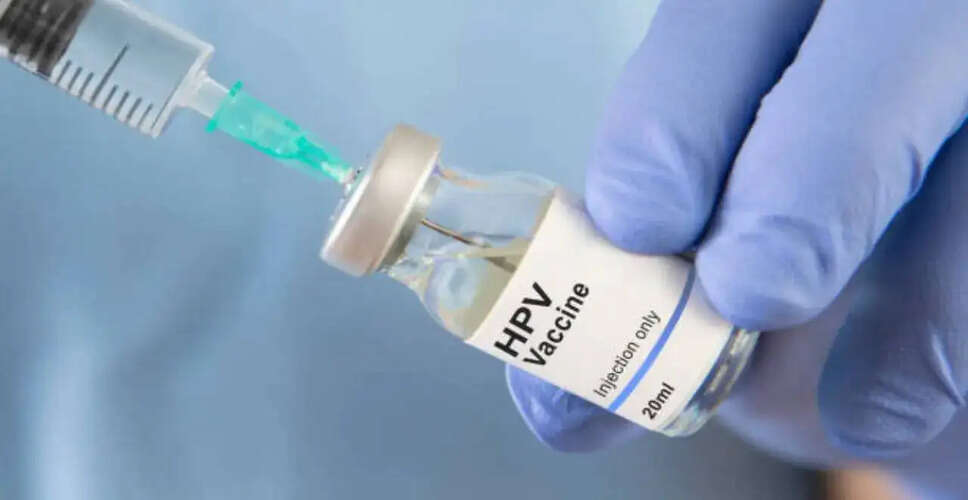
India is gearing up to enhance its battle against cervical cancer by incorporating the Cervavac HPV vaccine from the Serum Institute of India into the Universal Immunisation Programme (UIP) post-2027. This initiative is contingent upon the results of ongoing clinical trials that are assessing whether a single-dose HPV vaccine can offer protection similar to the existing two-dose regimen. This development signifies a pivotal advancement in India's public health approach, as HPV vaccination is vital for preventing cervical cancer, which ranks as the second most prevalent cancer among women in the country.
Cervavac's Potential Inclusion in National Immunisation Programme
Officials from the Department of Biotechnology (DBT) have indicated that Cervavac was initially designed as a two-dose vaccine, which has delayed its integration into the national immunisation programme. However, researchers are currently investigating the efficacy of a single dose in providing adequate immunity. The clinical study is anticipated to conclude next year, and if the results show comparable effectiveness, the vaccine could be added to the government's vaccination efforts after 2027. Transitioning to a single-dose schedule would streamline vaccine distribution, enhance compliance, and lower costs for extensive public health initiatives.
Importance of HPV Vaccination
Human papillomavirus (HPV) is among the most prevalent viral infections spread through skin-to-skin contact. Persistent infections with high-risk HPV types, especially HPV 16 and HPV 18, account for nearly 85% of cervical cancer cases. In India, cervical cancer impacts around 1.25 lakh women each year, leading to approximately 75,000 fatalities annually, making vaccination a critical healthcare priority. Research has consistently demonstrated that HPV vaccines effectively protect against the most harmful cancer-causing HPV strains, significantly reducing the risk of cervical cancer and associated diseases.
Current HPV Vaccination Initiatives in India
Earlier this year, the Ministry of Health and Family Welfare initiated a nationwide HPV vaccination campaign aimed at 14-year-old girls using MSD's Gardasil vaccine. International studies have already validated the effectiveness of a single-dose regimen for adolescents with Gardasil. Concurrently, the ongoing study of Cervavac aims to produce similar scientific evidence before it is widely implemented in the national programme. Presently, Cervavac is priced at approximately Rupees 2,000 in the private sector, although the government procurement price remains undisclosed.
Clinical Study Comparing Cervavac and Gardasil
The Indian Council of Medical Research (ICMR) is conducting a two-year study involving 504 girls across three research institutes. Participants have received either one dose of Cervavac or Gardasil, and researchers are tracking antibody levels against HPV types 16 and 18. Should Cervavac elicit immune responses comparable to Gardasil, it will bolster the case for a single-dose schedule. Experts believe that this scientific comparison will yield compelling evidence for future policy decisions and enhance trust in India's indigenous HPV vaccine.
Vaccine Availability and Future Plans
India currently has a sufficient supply of HPV vaccines, supported by Gavi, the Vaccine Alliance, which has provided around 2.6 crore doses. This stock is expected to fulfill vaccination requirements for this year and the next. With nearly 1.15 crore girls reaching the age of 14 annually, the introduction of a domestically produced vaccine like Cervavac could enhance long-term vaccine accessibility and reduce reliance on imported options. The National Technical Advisory Group on Immunisation (NTAGI) has consistently advocated for HPV vaccination and supports the generation of real-world evidence on single-dose efficacy before its inclusion in the Universal Immunisation Programme. The anticipated addition of the Serum Institute's Cervavac HPV vaccine after 2027 marks a significant advancement in cervical cancer prevention efforts in India. If ongoing studies confirm that a single-dose HPV vaccine is as effective as the two-dose regimen, the country could greatly enhance vaccination coverage, decrease healthcare costs, and safeguard millions of adolescent girls from one of the most preventable cancers.