
India's Ambitious Goal to Eliminate Hepatitis by 2030

Understanding Hepatitis and Its Impact
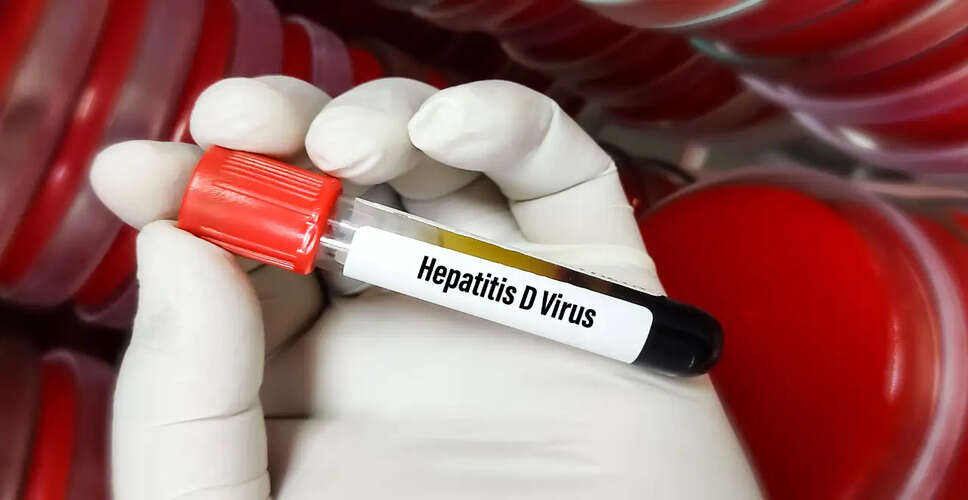
Each year, countless individuals globally are unaware that they are living with hepatitis. Unlike many diseases that present clear symptoms, hepatitis can remain undetected for years, gradually harming the liver until severe issues like cirrhosis or liver cancer arise. This reality has prompted India to reaffirm its goal of eradicating hepatitis as a public health concern by 2030. Health professionals believe this target is ambitious yet attainable if testing, vaccination, and treatment efforts are expanded.
World Hepatitis Day: July 28
World Hepatitis Day: July 28
This announcement coincides with World Hepatitis Day, celebrated on July 28, a day dedicated to raising awareness about viral hepatitis worldwide. The theme for this year emphasizes dismantling obstacles that hinder individuals from receiving timely testing, diagnosis, and treatment.
Types and Risks of Hepatitis
Hepatitis signifies liver inflammation and can stem from various viruses, including hepatitis A, B, C, D, and E. Hepatitis B and C are particularly concerning, as they are responsible for the majority of hepatitis-related fatalities globally due to their potential to develop into chronic infections that silently inflict liver damage over time. Fortunately, hepatitis B can be prevented through vaccination, and hepatitis C is now treatable with advanced antiviral therapies.
India's Approach to Combat Hepatitis
India's Strategy To Control Hepatitis
India's approach focuses on enhancing the National Viral Hepatitis Control Programme (NVHCP), initiated in 2018. This initiative aims to decrease infections, improve access to free screening and diagnosis, provide treatment for hepatitis B and C, bolster surveillance, and promote prevention awareness. It also supports pregnant women, advocates for safe blood transfusions, encourages infection control in healthcare environments, and aims to minimize mother-to-child transmission of hepatitis B.
However, the challenge is significant. Experts estimate that India bears one of the highest burdens of hepatitis B globally, with millions living with chronic infections, often without realizing it due to the absence of symptoms until considerable liver damage occurs. This underscores the necessity for routine screening, particularly for those at risk, such as healthcare workers, dialysis patients, pregnant women, individuals who have had blood transfusions, and family members of infected persons.
The Importance of Vaccination and Early Detection
Vaccination is a crucial defense against hepatitis B. India incorporated the hepatitis B vaccine into its Universal Immunisation Programme years ago, safeguarding millions of children. However, many adults born before the widespread vaccination campaign may remain unvaccinated. Health experts recommend that adults who have not received the vaccine consult their healthcare provider about vaccination following appropriate testing.
For hepatitis C, the emphasis is on early detection, as effective treatments can cure most patients. Timely diagnosis not only protects the liver but also curtails further transmission within the community.
Can India Achieve Its 2030 Goal?
Will India succeed in eliminating hepatitis by 2030? The answer hinges on more than just government initiatives. It necessitates heightened public awareness, extensive testing, prompt vaccinations, and individuals seeking medical attention before symptoms manifest. The necessary tools are available; the primary challenge now is ensuring they are accessible to all who require them. If successful, India's target for 2030 could transform from an ambitious goal into a landmark public health success.