
India to Launch Free HPV Vaccination Program for Adolescent Girls
Introduction to the HPV Vaccination Initiative
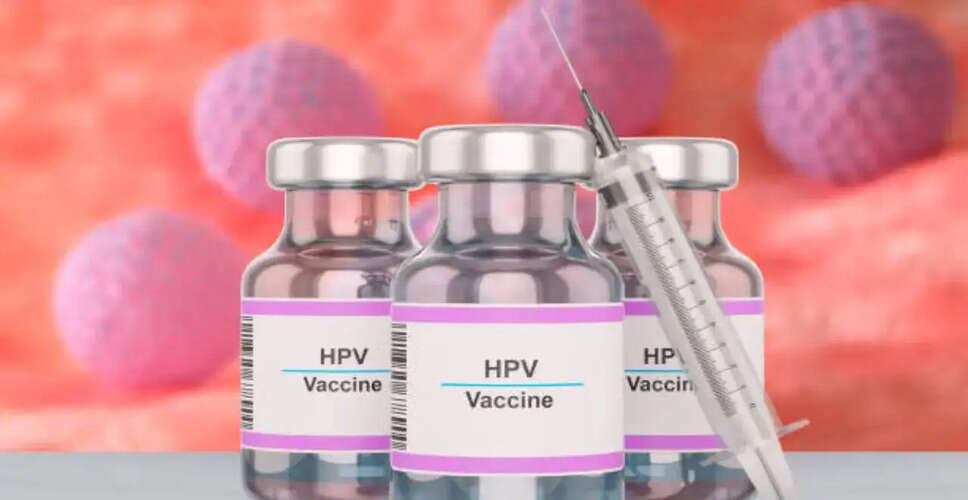
The Indian government is preparing to roll out a free vaccination program aimed at protecting adolescent girls from Human Papillomavirus (HPV), a significant cause of cervical cancer. According to sources from the Health Ministry, this initiative will provide free vaccinations at government health facilities, specifically targeting girls aged 14 across the nation. Participation in the vaccination program will be voluntary and offered at various government health centers, including Ayushman Arogya Mandirs, community hospitals, district hospitals, and medical colleges.
Details on the HPV Vaccine
Vaccines Effective Against HPV Types 6 and 11
The vaccination program will utilize the Gardasil vaccine, which is a single-dose quadrivalent vaccine effective against HPV types 16 and 18, the primary contributors to cervical cancer, as well as types 6 and 11. Cervical cancer is the second most prevalent cancer among women in India, with approximately 80,000 new cases and over 42,000 fatalities reported each year. HPV types 16 and 18 are responsible for more than 80% of cervical cancer cases in the country. With this initiative, India will align with over 150 nations that have incorporated HPV vaccination into their national immunization programs, with more than 90 countries adopting single-dose vaccination schedules. The vaccine boasts a strong safety profile, with over 500 million doses administered globally since its introduction in 2006. Studies indicate that HPV vaccines are 93% to 100% effective in preventing cervical cancer caused by the targeted HPV types. The vaccines have been procured through a partnership with Gavi, the Vaccine Alliance, ensuring that the doses meet quality and regulatory standards.
Understanding Cervical Cancer
What is Cervical Cancer?
Cervical cancer originates on the cervix's surface and occurs when cervical cells undergo changes to become precancerous. Almost all cervical cancer cases are linked to HPV infection, which is transmitted through sexual contact. Regular screenings, such as pap smears, and vaccination can significantly reduce the risk of developing cervical cancer. Symptoms often do not appear until the cancer has progressed, which is why healthcare professionals emphasize the importance of routine screenings and vaccination. Early-stage cervical cancer is highly treatable through various methods, including surgery, radiation, chemotherapy, and other medications.
Recognizing Symptoms of Cervical Cancer
Signs and Symptoms to Watch For
It is crucial to be aware of the following signs and symptoms of cervical cancer:
- Heavy or foul-smelling vaginal discharge, which may be watery or bloody
- Vaginal bleeding post-intercourse, between menstrual cycles, or after menopause
- Pain during sexual activity
- If the cancer has metastasized to nearby tissues or organs, symptoms may include:
- Painful or difficult urination, potentially with blood
- Diarrhea, pain, or rectal bleeding during bowel movements
- Fatigue, weight loss, and decreased appetite
- A general sense of unwellness
- Persistent back pain or leg swelling
- Pelvic and abdominal discomfort