
India Monitors Ebola Virus Situation Amid Global Concerns

Government Vigilance on Ebola Virus
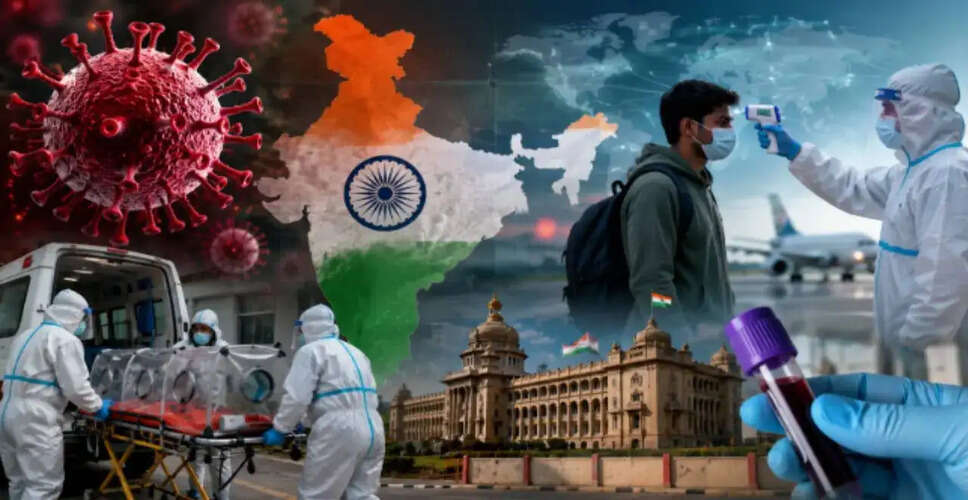
The Indian government is actively observing the developing situation regarding the Ebola virus following recent outbreaks in Africa. Reports indicate that a traveler returning from Uganda has been placed in isolation in Bengaluru as a precaution, although no confirmed cases of Ebola have been reported in India to date. The Ministry of Health and Family Welfare has stated that the individual exhibited mild symptoms, including body aches, and has been admitted to the Epidemic Diseases Hospital in Bengaluru for monitoring and assessment. Officials confirmed that the patient is stable and in good health. A sample has been sent to the National Institute of Virology (NIV) for testing, with results pending. The government has assured that all public health measures are being implemented according to World Health Organization (WHO) guidelines.
Why is India Taking the Ebola Threat Seriously?
Ebola virus disease is recognized as one of the most lethal infectious diseases globally, with outbreaks primarily occurring in Central and East Africa. The current outbreak involving the Bundibugyo strain has raised alarms due to the absence of a fully approved vaccine or specific treatment for this rare variant. Although India has not reported any confirmed Ebola cases, authorities are enhancing surveillance efforts due to the interconnectedness of global travel and the risk of imported infections. Screening protocols at airports and other entry points are being intensified to identify potential symptoms at the earliest stage. Health experts note that India's prompt response is a reflection of lessons learned from the COVID-19 pandemic, where early detection and isolation were crucial in managing the spread.
Understanding Ebola Virus Disease
Ebola virus disease (EVD) is a serious viral infection that spreads through direct contact with the blood, bodily fluids, or contaminated surfaces of infected individuals. Unlike COVID-19, it is not classified as an airborne disease. Initial symptoms may include:
- Fever
- Severe headache
- Muscle pain
- Weakness
- Vomiting
- Diarrhea
- Severe cases may involve unexplained bleeding
The WHO warns that Ebola outbreaks can lead to high fatality rates if not swiftly contained through isolation, contact tracing, and appropriate medical care.
Should Indians Be Concerned?
Public health officials are urging citizens to remain calm, stressing that no Ebola infections have been confirmed in the country. Experts assess that the current risk to the general population is low. However, they advise against the spread of misinformation on social media, which can incite unnecessary panic. Citizens are encouraged to rely on official updates from government health agencies and the WHO. Medical professionals recommend that travelers returning from affected regions in Africa should promptly report any symptoms such as fever or severe body pain and inform healthcare providers of their travel history.
India's Preparedness Measures
The Ministry of Health & Family Welfare, in collaboration with state governments, is actively monitoring and implementing preparedness strategies across hospitals and public health systems. Current preventive measures include:
- Screening and surveillance at airports
- Isolation facilities for suspected cases
- Laboratory testing through NIV
- Coordination with WHO protocols
- Public awareness campaigns
Experts believe that early preparedness is vital to prevent panic and ensure a swift response if a confirmed case arises. While India remains free of Ebola, the isolation case in Bengaluru underscores how global disease outbreaks can rapidly escalate into international public health issues in our interconnected world.