
Impending El Nino: Global Climate Impacts and Health Risks

The Approach of a Significant El Nino Event
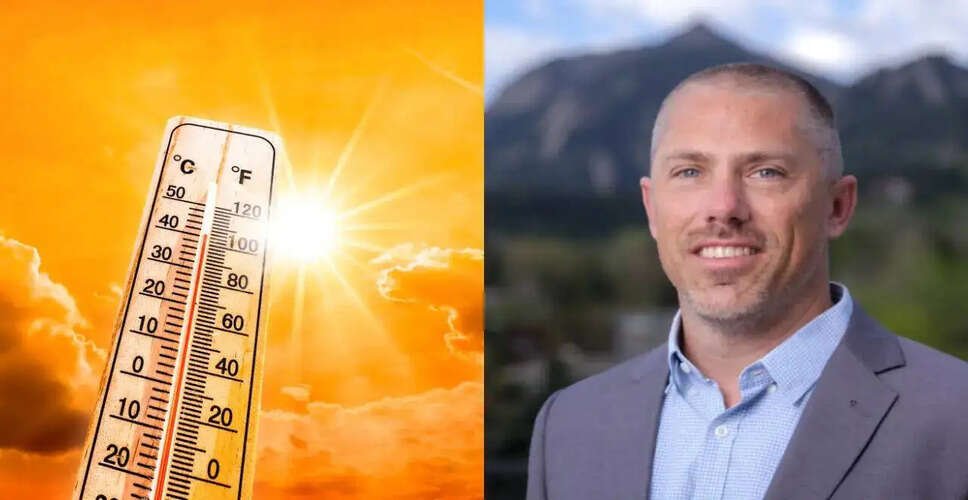
Experts warn that the world may soon experience a significant El Nino event, which could have far-reaching effects on global temperatures, precipitation patterns, and even public health crises. Kris Karnauskas, an associate professor at the University of Colorado Boulder, notes that current climate conditions are shifting from La Nina towards El Nino. He stated, "We are transitioning from a La Niña phase and are currently in neutral conditions, moving towards El Nino." These two phenomena represent opposite phases of a natural climate cycle associated with temperature variations in the tropical Pacific Ocean. While La Nina is characterized by cooler ocean temperatures, El Nino occurs when the Pacific's surface waters warm up, leading to significant changes in global weather systems.
Karnauskas emphasized that the conditions necessary for a strong El Nino are present, and scientists are closely observing whether the hidden heat in the ocean will surface in the upcoming months. If it does, we could witness a powerful El Nino event by winter.
The Global Significance of El Nino
Why El Nino Matters Beyond The Pacific Ocean?
Although El Nino originates in the Pacific, its effects are felt worldwide. It can alter rainfall, lead to droughts, influence hurricanes, and affect agricultural yields in various regions. Karnauskas pointed out that El Nino does not produce a single weather pattern globally; rather, its impacts are highly localized. For instance, in India, El Nino events are closely monitored due to their potential effects on the monsoon season, with some years linked to reduced rainfall and hotter summers. "No two El Nino events are identical," he remarked, highlighting the importance of understanding the subtle differences in each occurrence.
This variability means that while one area may experience flooding, a neighboring region could suffer from drought. Therefore, scientists refrain from applying a uniform prediction model for its impacts.
Potential Health and Water Management Challenges
Heat, Disease Risks And Water Stress Could Rise
In addition to weather disruptions, scientists are concerned about the indirect consequences of a strong El Nino. One significant area of concern is public health. Changes in rainfall and humidity can create ideal conditions for mosquito breeding, potentially leading to increased transmission of diseases such as malaria, dengue, West Nile virus, and Zika. Karnauskas noted that regions not typically associated with high mosquito populations could become more susceptible if rainfall patterns shift to favor insect proliferation.
Water management is another critical issue. Areas already facing drought or dwindling water supplies may need to brace for sudden changes in rainfall. Some regions could experience excessive rainfall and flooding, while others may face worsening drought conditions.
Some climate observers have begun to refer to the potential for a super El Nino, a term used to describe exceptionally strong El Nino events. Since satellite monitoring began in 1982, only a few truly powerful El Nino events have been recorded. If current predictions hold true, this year's event could be among the strongest ever documented. However, experts caution that climate systems are complex, and forecasts may change as conditions evolve. For now, scientists globally are monitoring ocean temperatures closely, as developments beneath the Pacific's surface in the coming months could significantly influence weather patterns worldwide through 2026.