
Impact of Diabetes on Knee Replacement Surgery Outcomes
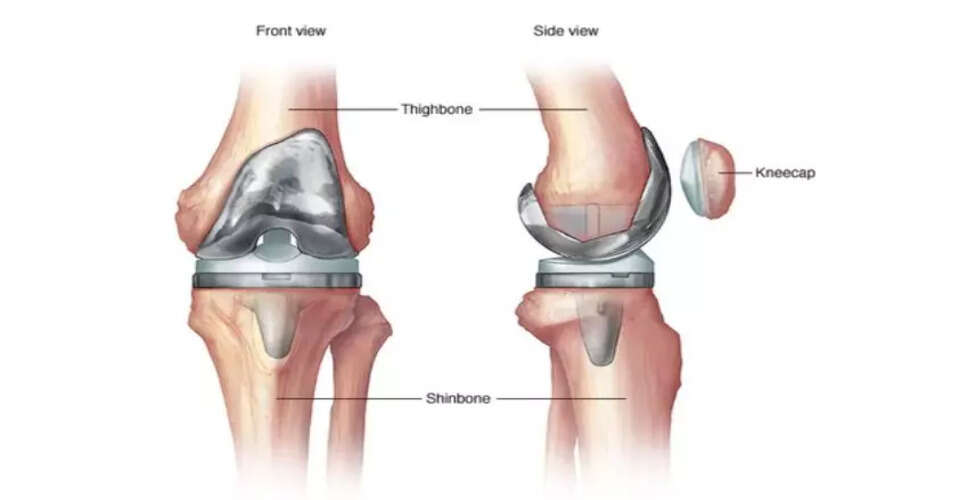
Diabetes and Joint Replacement Surgery Risks
New Delhi, July 10: A recent study conducted by Indian researchers reveals that diabetes not only contributes to joint pain that can severely affect the knee but also heightens the risk of infections and blood clots following knee replacement surgery.
It is noted that over half of individuals with diabetes also suffer from arthropathy, a condition impacting the joints, which may necessitate hip or knee arthroplasty in the future.
The research from Vardhman Medical College & Safdarjung Hospital indicates that diabetes significantly increases the likelihood of joint infections after total knee arthroplasty (TKA), a widely performed procedure for those with severe knee arthritis.
Another major postoperative concern is deep vein thrombosis (DVT), which can lead to pulmonary embolism, a serious condition where blood clots block the pulmonary arteries in the lungs.
This situation can lead to higher rates of morbidity and mortality.
According to the researchers, including experts from Indraprastha Apollo Hospitals and Fortis C-Doc Hospital, “Diabetes presence notably affects post-TKA results, resulting in increased complication rates and adversely impacting physical function and quality of life.”
They further noted that diabetics on insulin are 60% more likely to face perioperative complications, with poor blood sugar management around the time of TKA surgery leading to worse outcomes, as detailed in their paper published in the Journal of Orthopaedics.
The study, which included systematic reviews and meta-analyses, found that diabetic patients undergoing TKA have a 43% higher risk of periprosthetic joint infection (PJI) and a 45% increased likelihood of developing DVT.
Additionally, the rate of hospital readmissions was significantly elevated, with a 28% increase observed. Insulin-treated diabetics showed a 60% higher incidence of perioperative adverse events.
The researchers emphasized the need for more comprehensive studies to create standardized definitions for glycemic control and to explore the mechanisms that lead to these heightened risks, which would aid in better preoperative risk assessment and management for diabetic patients undergoing TKA.