
Impact of Air Pollution on Health and Economy in Delhi
Air Quality Crisis in Delhi
New Delhi, Dec 18: Health professionals have raised alarms about air pollution, highlighting its detrimental effects on life expectancy, productivity, and overall quality of life. This warning comes as the air quality in the national capital has been declining for over a month.
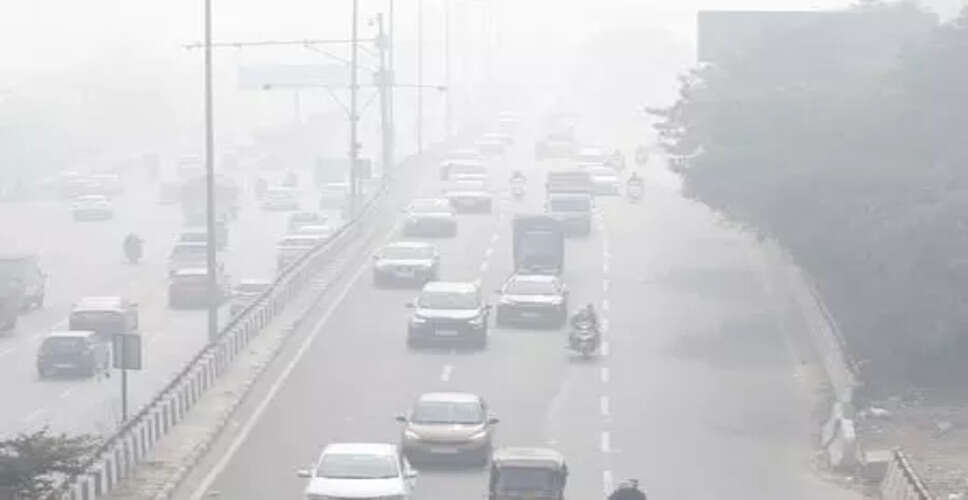
Recent visuals from various locations in Delhi and the National Capital Region (NCR) depict severely reduced visibility due to thick smog, which has disrupted daily activities and raised health concerns among the populace. The Air Quality Index (AQI) in Delhi reached a concerning level of 356, according to the Central Pollution Control Board (CPCB).
Experts have pointed out that continuous exposure to polluted air is hindering India's economic progress and leading to a surge in severe health issues, including strokes, cardiovascular diseases, respiratory disorders, and neurological problems.
This situation is increasingly burdening healthcare systems and undermining India's long-term growth potential.
Rajesh Bhushan, former Secretary of the Ministry of Health and Family Welfare, stated, “Long-term exposure not only reduces life expectancy but also increases the years lived with disabilities. In cities with high pollution, individuals may live longer but suffer from chronic illnesses that diminish their productivity and quality of life.”
He emphasized that tackling air pollution necessitates a collaborative approach involving healthcare systems, urban planning, and public education, with a stronger emphasis on preventive and primary healthcare, during an event hosted by the Illness to Wellness Foundation.
Dr. G. C. Khilnani, a pulmonologist based in Delhi, referred to air pollution as a "man-made public health crisis" that poses significant risks to respiratory and cardiovascular health.
“The most harmful effects of air pollution are often not visible; ultra-fine particles can infiltrate the lungs, enter the bloodstream, and harm various organs without any early warning signs,” he explained.
Neurologist Dr. Daljit Singh highlighted that pollution disrupts blood circulation in the brain and notably raises the likelihood of both ischemic and hemorrhagic strokes.
“We are witnessing distinct seasonal increases in stroke admissions during months of high pollution, suggesting that pollution is becoming an independent risk factor. Additionally, air pollution is linked to neurological disorders such as Alzheimer’s, dementia, and Parkinson’s disease, presenting a growing neurological challenge that requires immediate attention,” Singh noted.
Dr. Harsh Mahajan, Mentor of the FICCI Health Sector, remarked that air pollution has emerged as a silent risk factor exacerbating nearly all categories of diseases.
“It disproportionately impacts the underprivileged, children, and outdoor workers, despite them contributing the least to the issue. The dangerous misconception is that technology alone will resolve this crisis. What we truly lack is urgency and accountability,” Mahajan stated.
Experts have stressed the importance of a long-term commitment, robust enforcement, and active public involvement to promote healthier lives and a more resilient economy.