
IIT Kanpur's Innovative Vaccine Adjuvant EP67 Enhances Immune Response
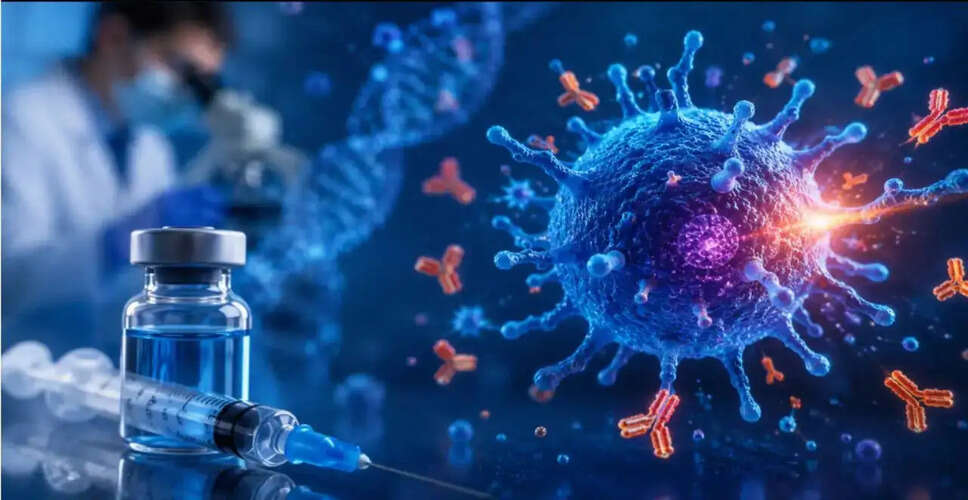

Breakthrough in Vaccine Development
Researchers at IIT Kanpur have achieved a significant advancement that could lead to the creation of safer and more effective vaccines. Their recent study, published in the renowned journal Proceedings of the National Academy of Sciences (PNAS), details how an experimental vaccine booster molecule, known as EP67, activates the immune system without causing excessive inflammation. This finding provides crucial insights for the development of next-generation vaccines that can offer stronger, longer-lasting immunity while minimizing adverse effects. Additionally, it may aid in the creation of new therapies for infectious diseases and immune-related conditions.
Understanding EP67
EP67 serves as an experimental vaccine adjuvant, which is an additive that enhances the immune response to vaccines. Unlike vaccines that directly target pathogens, adjuvants like EP67 help the immune system better recognize these invaders, leading to more robust and enduring protection. The researchers engineered EP67 by modifying C5a, a natural immune protein that is released during infections. While C5a is essential for activating immune cells to combat infections, prolonged activity can lead to harmful inflammation. To address this, the scientists developed a milder version, EP67, which maintains its immune-boosting properties while reducing the risk of damaging inflammation.
Mechanism of Action
The research revealed that EP67 selectively activates two critical types of immune cells:
- Dendritic cells, which are vital for recognizing pathogens.
- Macrophages, which eliminate harmful microbes and orchestrate immune responses.
Visualizing EP67's Function
A major accomplishment of this study was the precise identification of EP67's mechanism. Utilizing advanced cryo-electron microscopy (cryo-EM), the team captured high-resolution images of EP67 binding to an immune receptor known as C5aR1. This receptor is part of the G protein-coupled receptor (GPCR) family, which is a target for nearly one-third of all prescription medications. The images demonstrated that EP67 adopts a hook-like shape that fits seamlessly into the receptor, activating immune defenses in a regulated manner. Understanding how EP67 interacts with its target provides a foundation for enhancing the molecule and developing improved vaccine boosters in the future.
Promising Early Results
Initial animal studies have shown encouraging outcomes. When EP67 was incorporated into experimental vaccines for various viruses, including SARS-CoV-2, the animals exhibited stronger immune responses and recovered more rapidly compared to those receiving vaccines alone. Additionally, EP67 has shown potential in combating MRSA (Methicillin-resistant Staphylococcus aureus), a formidable antibiotic-resistant bacterium responsible for challenging infections. Despite these promising results, human clinical trials are necessary before EP67 can be integrated into approved vaccines.
Significance of the Discovery
The breakthrough from IIT Kanpur holds the potential for extensive applications beyond just infectious diseases. Enhanced vaccine adjuvants could lead to vaccines that offer:
- Longer-lasting immunity
- Improved protection for older populations
- Less inflammation post-vaccination
- Better responses to emerging viral threats
- Increased effectiveness against antibiotic-resistant bacteria