
How to Identify Pure Turmeric: Simple Home Tests
Understanding Turmeric's Purity
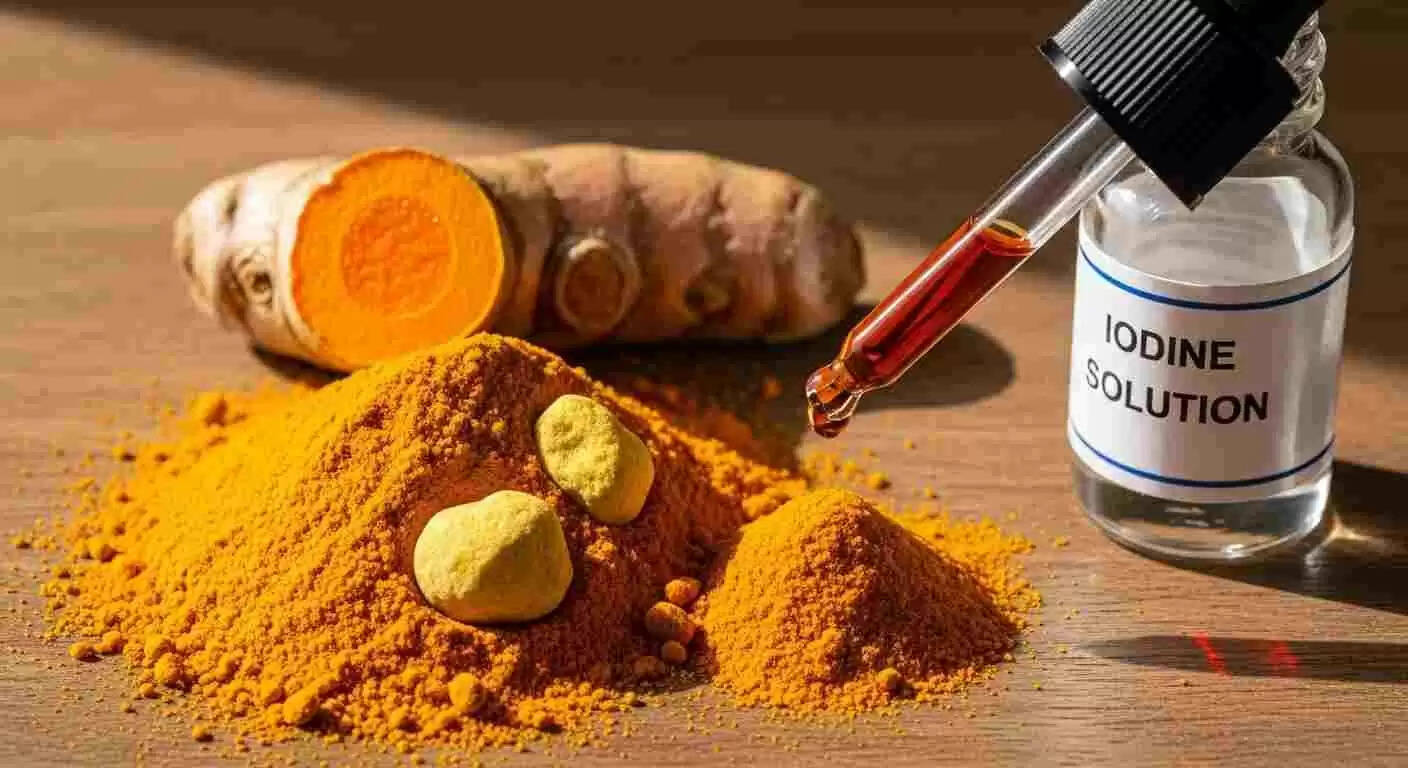
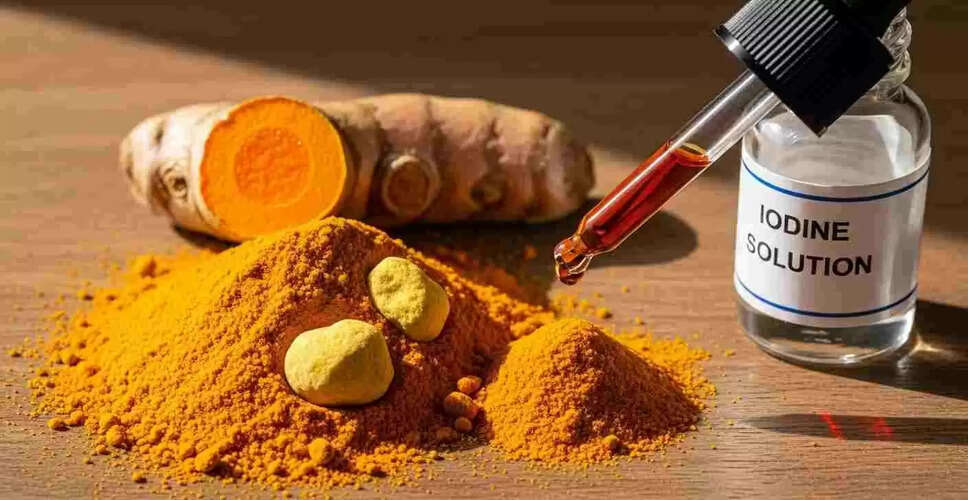
Turmeric is often hailed as the queen of our kitchens and a remedy for various ailments. Whether enhancing the color of dishes or serving as a topical treatment for injuries, we frequently rely on turmeric without a second thought. However, have you ever considered the possibility that the turmeric you consume might be adulterated?
In the quest for profit, some vendors mix harmful chemicals like 'Metanil Yellow', chalk powder, or yellow clay into turmeric, which can be detrimental to health. But don’t worry; you can easily check the purity of your turmeric at home using a few simple methods.
Three Easy Home Tests to Identify Genuine Turmeric
1. Water Test (The Easiest):
Take a glass of lukewarm water and add a teaspoon of turmeric powder. Genuine turmeric will settle slowly at the bottom, leaving a light yellow hue in the water. In contrast, if the turmeric is adulterated, it will quickly sink to the bottom, causing the water to turn a deep and vibrant yellow.
2. Rubbing Test:
Take a pinch of turmeric powder and rub it between your palm or between your thumb and finger. Authentic turmeric feels smooth and silky. If you notice any roughness or grittiness, it may indicate the presence of chalk or clay.
3. Chemical Test (For Dangerous Adulterants):
This test is designed to detect the dangerous adulterant 'Metanil Yellow'. In a test tube, place a pinch of turmeric and add a few drops of hydrochloric acid. If the turmeric changes color to pink, purple, or magenta, it confirms the presence of Metanil Yellow. Pure turmeric will not react to this acid.
Prioritizing Your Health
Remember, your health is invaluable. Avoid purchasing turmeric solely based on its vibrant color. A little awareness can protect you and your family from serious health issues.