
Hope Amidst Ebola Outbreak: Baby and Mother Recover in Congo
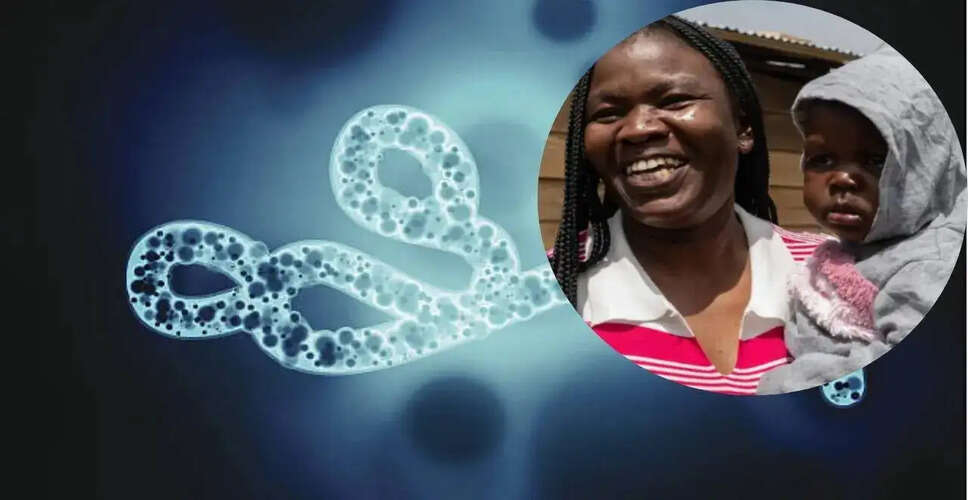

A Glimmer of Hope in the Ebola Crisis
A 16-month-old infant and his mother have successfully recovered from Ebola in the Democratic Republic of Congo (DRC), providing a rare beacon of hope during a rapidly escalating outbreak that health officials fear could become one of the most severe in history. While the family's emotional recovery has been celebrated, public health experts caution that the outbreak remains a significant threat due to the lack of an approved vaccine or treatment for the specific strain of the virus involved.
Recovery from Critical Illness
The mother and child were released from the Rwampara Treatment Center located near Bunia in Ituri province after receiving medical attention, as reported by the Associated Press. Medical professionals indicated that the child was admitted with severe symptoms, including bleeding from the mouth and nose, along with extreme fatigue. A PCR test confirmed the Ebola infection, and doctors administered supportive care, including antibiotics to address secondary infections. They were among seven patients who have recently overcome the disease.
Ongoing Ebola Outbreak in Congo
The Ministry of Health in Congo has reported 837 confirmed cases of Ebola, with 196 fatalities. Experts believe the actual figures could be much higher, as the virus likely began spreading weeks prior to the official outbreak declaration in May. Over 90% of the infections have been reported in Ituri province, although cases have also emerged in North Kivu, South Kivu, and neighboring Uganda. This outbreak is attributed to the Bundibugyo strain of the Ebola virus, a rare variant for which no approved vaccine or specific treatment is currently available. Unlike the more prevalent Zaire Ebola virus, which has licensed vaccines, the Bundibugyo strain is significantly more challenging to manage.
Concerns Among Experts
The Africa Centres for Disease Control and Prevention (Africa CDC) has expressed concerns that if the transmission remains unchecked, this outbreak could exceed previous Ebola epidemics. Several factors complicate containment efforts, including ongoing armed conflict and insecurity that have displaced nearly one million individuals. There are remote villages with limited road access, and thousands of mobile miners traversing regions, making it difficult to trace contacts of infected individuals. Medical professionals warn that these challenges heighten the risk of ongoing community transmission and cross-border spread.
Understanding Ebola
Ebola virus disease is a severe viral infection that spreads through direct contact with the blood or bodily fluids of an infected person or contaminated objects. It does not transmit through the air like influenza or COVID-19. Common symptoms of Ebola include:
- Sudden high fever
- Severe headache
- Muscle pain
- Extreme fatigue
- Sore throat
- Vomiting
- Diarrhea
- Abdominal pain
- Unexplained bleeding or bruising in severe cases
Treatment Options for Ebola
Current treatment primarily focuses on supportive care, which includes intravenous fluids, electrolyte replacement, oxygen support, blood pressure management, and treatment for secondary bacterial infections. Early diagnosis and prompt medical intervention significantly enhance survival rates, even during outbreaks involving strains without approved therapies.
Significance of This Recovery
The recovery of the critically ill toddler and his mother illustrates that survival is achievable with timely medical intervention. However, experts emphasize that individual success stories should not overshadow the pressing need for improved surveillance, rapid diagnosis, contact tracing, and international support to prevent the outbreak from worsening. Public health officials continue to encourage communities to report symptoms early, avoid contact with infected individuals, and collaborate with disease surveillance teams as efforts intensify to contain the virus before it spreads further.