
Honey Singh's Journey: The Impact of Bipolar Disorder on Hair Health
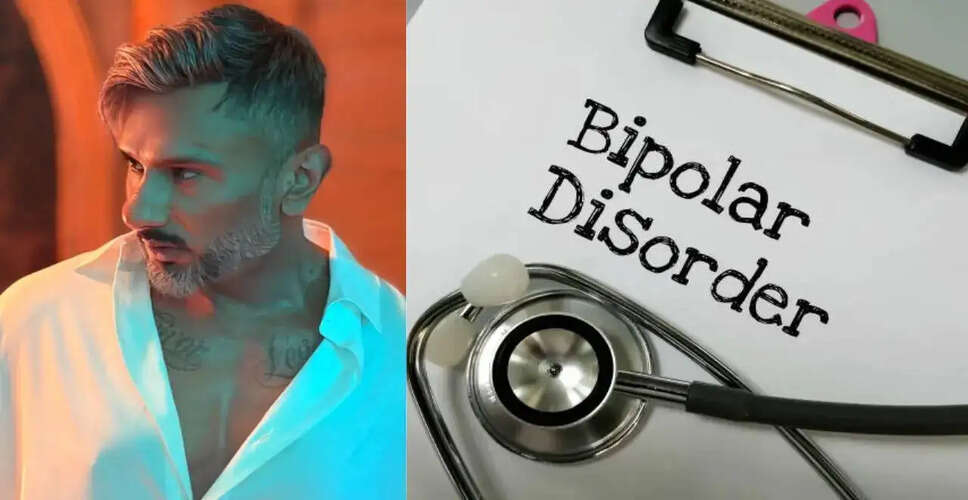

Honey Singh's Candid Revelation
Rapper and music producer Honey Singh has opened up about his experience with bipolar disorder, revealing that he became "completely bald" due to the condition and its treatment. His honest account has sparked renewed discussions about the physical ramifications of mental health issues, particularly severe hair loss. Medical professionals explain that psychiatric conditions like bipolar disorder can disrupt various biological systems essential for healthy hair growth. Factors such as stress hormones, sleep disturbances, nutritional deficits, medications, and substance abuse can all lead to significant hair loss.
Understanding Hair Loss Linked to Stress
How Stress Induces Hair Loss
Hair follicles operate in cycles, with most hair in the active growth phase (anagen) and a smaller portion in the resting phase (telogen) before shedding. However, extreme physical or emotional stress can push many hair follicles into the resting phase prematurely. This phenomenon, known as telogen effluvium, often results in noticeable hair loss weeks or months after the stress event. Dermatologists note that mental health issues, trauma, sleep deprivation, and chronic anxiety can trigger this condition.
Medications and Hair Thinning
Medications Linked to Hair Loss in Bipolar Disorder
Experts indicate that certain medications prescribed for bipolar disorder are associated with hair thinning. Valproate, commonly known as sodium valproate or divalproex, is one such medication. Clinical studies have shown varying rates of hair loss among users, with estimates ranging from 5% to 20%, depending on dosage and duration of treatment. Patients using valproate may experience:
- Thinning hair
- Increased hair shedding
- Brittle hair
- Changes in hair texture
- Altered hair color
These medications can also hinder the absorption of biotin (Vitamin B7), zinc, and selenium, which are vital for healthy hair follicle function.
Bipolar Disorder's Direct Effects on Hair
Impact of Bipolar Disorder on Hair Growth
Even without medication, bipolar disorder can adversely affect hair health. During intense manic or depressive phases, the body experiences increased stress responses, leading to elevated cortisol and inflammatory hormones. High cortisol levels can disrupt normal hair follicle cycles and promote shedding. Additionally, sleep disturbances, particularly insomnia during manic episodes, can exacerbate oxidative stress and inflammation, further impacting hair follicles.
Substance Abuse and Hair Loss
How Substance Abuse Affects Hair Health
Honey Singh has also shared his battles with alcohol and substance abuse, which can significantly exacerbate hair loss. Dependency on alcohol and drugs can result in deficiencies of essential nutrients like iron, protein, zinc, and B vitamins, all crucial for healthy hair and scalp. Substance abuse may also impair liver function, hormone balance, hydration, and nutrient absorption, all of which are vital for maintaining hair quality.
The Holistic Impact of Mental Health
Mental Health's Influence on Overall Well-being
Experts emphasize that Honey Singh's story illustrates how mental health disorders can affect the entire body, influencing sleep, hormones, immunity, metabolism, and hair health. Medical professionals recommend that individuals experiencing sudden or excessive hair loss, along with stress, mood fluctuations, or sleep issues, seek both dermatological and mental health assistance. Early intervention, balanced nutrition, stress management, and proper sleep, along with medically supervised care, can help mitigate hair damage and support recovery over time.