
HIV Prevalence in Assam: A Growing Public Health Challenge

HIV Statistics in Assam
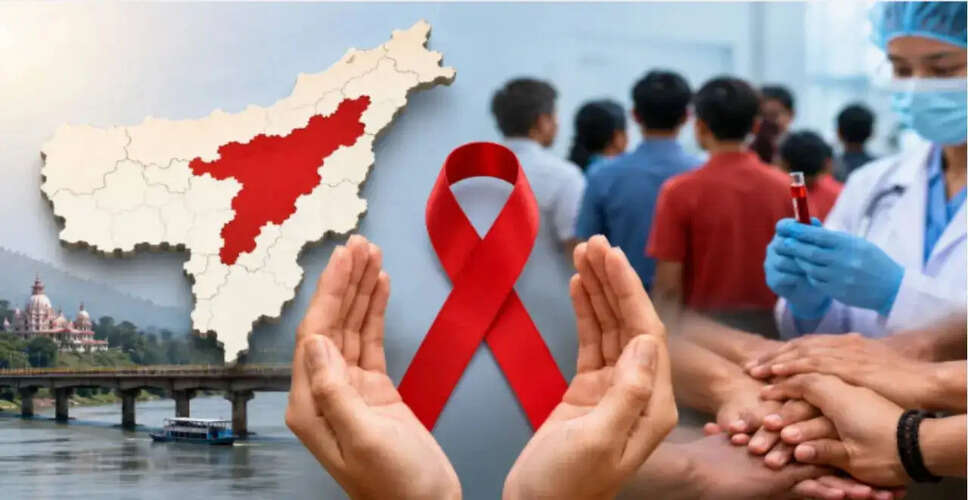
According to the latest report from the Union Health Ministry for 2025-26, Assam has the highest number of individuals living with HIV in Northeast India, totaling 33,145. This results in a prevalence rate of 0.13%, marking Assam as the most affected state in the area. The report also sheds light on the increasing impact of HIV on women, revealing that out of 13,809 women living with HIV in the Northeast, 6,809 are from Assam. Furthermore, the state has reported 146 HIV-positive pregnant women, the highest in the region, raising alarms about the potential for mother-to-child transmission and the urgent need for enhanced prevention strategies.
The Public Health Implications of Rising HIV Cases
Why are rising HIV cases a public health concern?
The Human Immunodeficiency Virus (HIV) targets the immune system, particularly the CD4 cells that are crucial for fighting infections. If left untreated, HIV can progressively weaken the immune system and lead to Acquired Immunodeficiency Syndrome (AIDS), which increases susceptibility to severe infections and certain cancers. However, with early diagnosis and appropriate treatment, HIV is no longer deemed a fatal condition. Modern antiretroviral therapy (ART) enables individuals living with HIV to maintain long, healthy lives. The ongoing challenge is to ensure timely diagnosis and access to proper medical care.
Understanding HIV Transmission
How does HIV spread?
Infectious disease experts clarify that HIV is transmitted through specific means and does not spread through casual social interactions. The primary transmission routes include:
- Unprotected sexual contact with an infected individual
- Sharing needles and syringes
- Receiving contaminated blood products
- Mother-to-child transmission during pregnancy, childbirth, or breastfeeding without preventive measures
Recognizing these transmission pathways is vital for reducing new infections and combating misinformation.
Dispelling Myths About HIV
HIV does not spread through casual contact
Despite extensive awareness efforts, misconceptions about HIV persist. Medical professionals stress that HIV cannot be transmitted through handshakes, hugs, sharing food or utensils, using the same restroom, casual workplace interactions, or mosquito bites. Addressing these myths is essential to lessen stigma and discrimination faced by those living with HIV.
Essential Prevention Strategies
Prevention tips everyone should know
Practice safe sex
Using condoms consistently and correctly is one of the most effective methods to prevent HIV transmission.
Get tested regularly
Routine HIV testing is crucial for early detection of infections. Individuals with multiple partners or those in high-risk categories should consider regular screenings.
Avoid sharing needles
Never share needles, syringes, or any injection equipment.
Ensure sterile medical procedures
Always opt for healthcare facilities and tattoo or piercing studios that utilize sterile, single-use equipment.
Start treatment early
Individuals diagnosed with HIV should initiate antiretroviral therapy (ART) as soon as their healthcare provider recommends it. Effective treatment can suppress the virus, safeguard the immune system, and significantly lower the risk of transmission.
The Importance of Awareness and Education
Why are awareness and education important?
Health professionals indicate that stigma is one of the most significant obstacles to HIV prevention and treatment. The fear of discrimination often deters individuals from getting tested or seeking medical assistance. Public awareness initiatives, educational programs in schools, community outreach, and accessible testing services can enhance early diagnosis rates and minimize transmission. Special focus is required for pregnant women, as timely diagnosis and treatment can greatly reduce the risk of transmitting HIV to newborns.