
Historic HIV-Positive Lung Transplant Paves New Path for Organ Donation

A Revolutionary Step in Medical Science
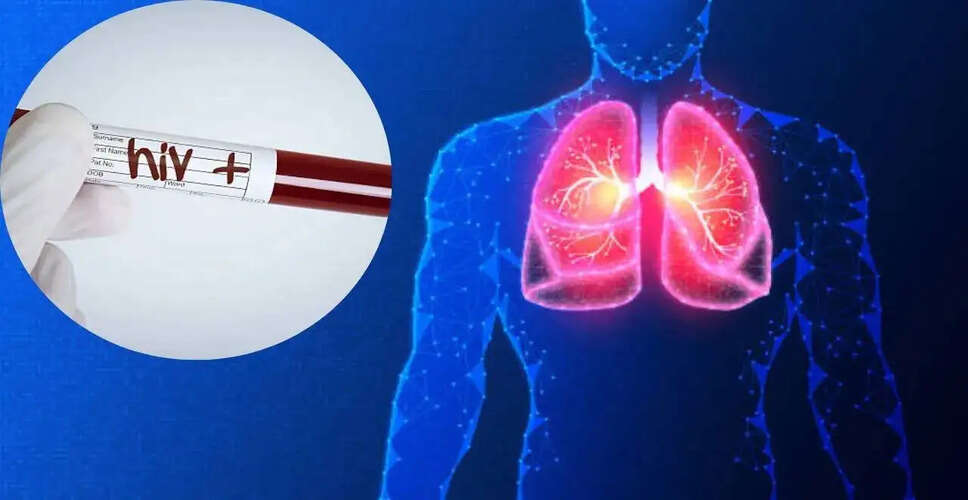
Surgeons at NYU Langone Health in New York have achieved a remarkable medical feat by conducting the first lung transplant from an HIV-positive donor to an HIV-positive recipient. This groundbreaking surgery, which took place in March, involved a 56-year-old patient who received lungs from a deceased donor also living with HIV. This advancement is expected to broaden the donor pool for HIV-positive individuals in need of organ transplants, potentially reducing the lengthy wait times associated with these procedures.
A Milestone in Transplantation
Historically, individuals with HIV could only receive organs from HIV-negative donors if their condition was well-managed through antiretroviral therapy. However, this successful lung transplant marks a significant breakthrough, proving that HIV status should not hinder the ability to donate or receive vital organs. Experts believe this could enhance access to transplants and help tackle the ongoing global shortage of donor organs.
The Importance of Addressing Organ Shortages
Organ shortages pose a critical challenge in healthcare, with thousands of patients losing their lives each year while awaiting suitable donor organs. Until recently, organs from HIV-positive donors were often excluded, despite evidence suggesting they could safely benefit selected HIV-positive recipients. By expanding the eligibility criteria for donors, the number of available organs could increase, leading to shorter waiting lists and improved survival rates for patients suffering from severe lung diseases.
The Impact of the HOPE Act
The HIV Organ Policy Equity (HOPE) Act, enacted in the U.S. in 2013, played a crucial role in this achievement by lifting long-standing restrictions on organ transplants from HIV-positive donors. Since its introduction, kidney and liver transplants involving HIV-positive donors and recipients have yielded promising results. Research published in the American Journal of Transplantation indicates that liver transplants from HIV-positive donors can achieve survival rates comparable to those from HIV-negative donors when recipients are appropriately selected and monitored. This success has paved the way for the historic HIV-to-HIV lung transplant.
Challenges of Lung Transplants
Lung transplants present unique challenges due to their constant exposure to environmental factors, making them more vulnerable to infections and immune rejection post-surgery. Historically, surgeons have been hesitant to perform lung transplants on HIV-positive patients due to the need for immunosuppressive medications. However, advancements in antiretroviral therapy have significantly improved the management of HIV, allowing many individuals to maintain undetectable viral loads and robust immune systems for extended periods. Research indicates that well-selected HIV-positive patients can achieve lung transplant outcomes similar to those of HIV-negative recipients.
Implications for HIV-Positive Individuals
The successful HIV-to-HIV lung transplant heralds a new chapter in transplantation medicine, with several potential benefits, including:
- Increased availability of donor organs for HIV-positive patients
- Shorter waiting times for transplants
- Reduced mortality rates among patients awaiting transplants
- Enhanced healthcare equity for individuals living with HIV
- Dispelling outdated myths regarding HIV and organ donation
Experts emphasize the importance of careful patient selection, ongoing antiretroviral therapy, and diligent monitoring to ensure optimal outcomes.