
High-Fat Dairy Products May Lower Dementia Risk, Study Finds
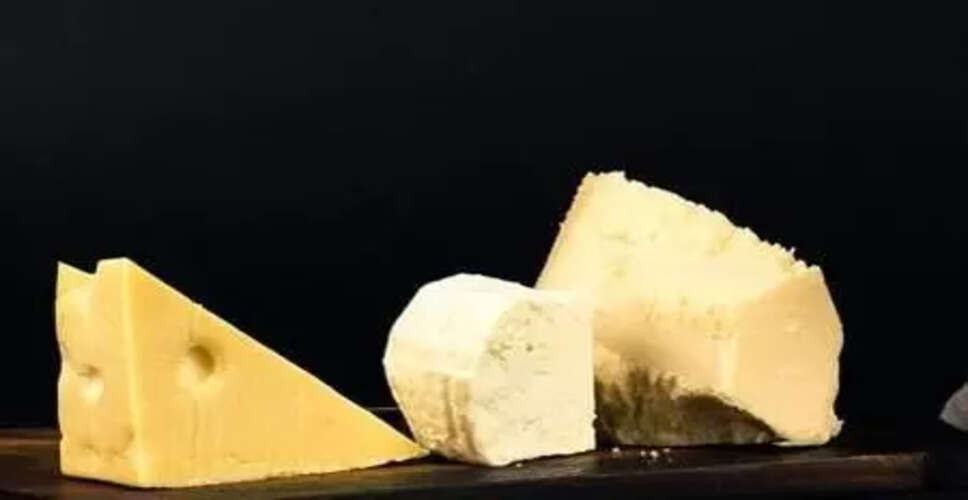
New Insights on Dairy and Dementia
New Delhi, Dec 18: Recent research has revealed a surprising connection between high-fat dairy consumption and a reduced risk of dementia, despite the known health concerns associated with saturated fats and sodium found in cheese.
The study, published in the journal Neurology, indicates that certain high-fat dairy items, including cheddar, Brie, Gouda, and various creams, may actually contribute to a lower likelihood of developing dementia. This challenges previous beliefs regarding dietary fats and cognitive health.
Researchers from Lund University in Sweden emphasized that while their findings suggest a correlation, they do not establish a direct cause-and-effect relationship between high-fat cheese consumption and dementia risk.
The analysis involved 27,670 participants from Sweden, averaging 58 years old at the study's onset, who were monitored for approximately 25 years. Out of these, 3,208 individuals were diagnosed with dementia during the study period.
The results indicated that individuals who consumed higher amounts of high-fat cheese had a 13% lower risk of developing dementia compared to those who ate less. Specifically, a 29% reduction in the risk of vascular dementia was noted among high-fat cheese consumers.
Additionally, a lower incidence of Alzheimer's disease was observed in those who consumed more high-fat cheese, particularly among individuals without the APOE e4 gene variant, which is linked to an increased risk of Alzheimer's.
Daily intake of high-fat cream was also associated with a 16% lower risk of dementia compared to non-consumers.
However, the study found no significant links between dementia risk and the consumption of low-fat cheese, low-fat cream, milk (both high and low fat), butter, or fermented dairy products like yogurt and kefir.
Emily Sonestedt from Lund University remarked, "These findings indicate that not all dairy products have the same impact on brain health." She noted that while high-fat cheese and cream appeared beneficial, other dairy options and low-fat substitutes did not exhibit similar protective effects. The research team called for further studies to validate these findings.