
Hepatitis A Outbreak in Patiala Raises Alarm Over Water Safety

Concerns Over Hepatitis A in Patiala
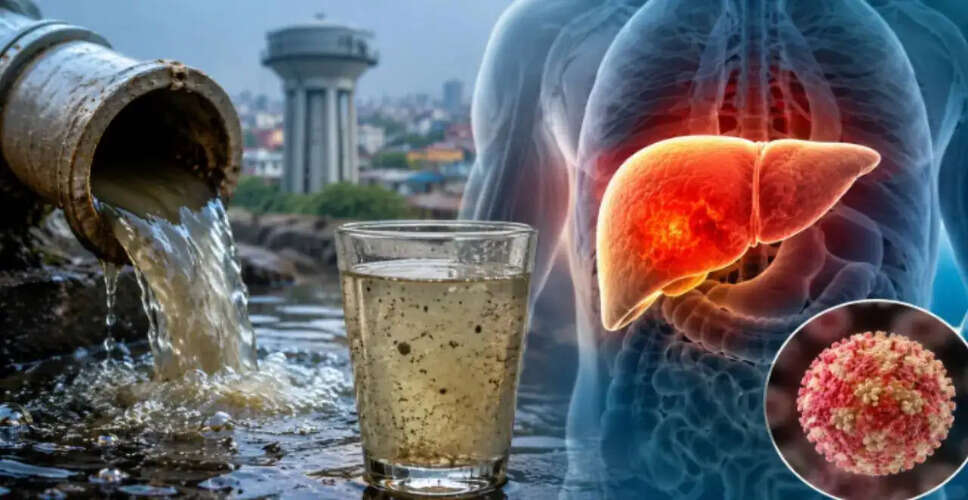
A significant outbreak of Hepatitis A in Patiala, Punjab, has sparked serious worries regarding water safety and public health. On Friday, health officials reported 11 new cases, bringing the total to 27 infections within a short span. This alarming rise has prompted health authorities to enhance surveillance and testing efforts in the affected regions. Punjab's Health Minister, Dr. Balbir Singh, attributed the outbreak to contaminated water and illegal connections, cautioning that the mixing of sewage with drinking water creates a breeding ground for infections like Hepatitis A.
Understanding Hepatitis A
What is Hepatitis A?
Hepatitis A is a viral infection that primarily impacts the liver and is highly contagious. The virus spreads mainly through the ingestion of food or water tainted with the feces of an infected individual. Unlike Hepatitis B and C, Hepatitis A typically does not lead to chronic liver disease, but it can cause severe illness, particularly in older adults, individuals with pre-existing liver issues, and those with compromised immune systems.
Origins of the Patiala Outbreak
How did the Patiala outbreak happen?
Health officials have indicated that the outbreak is primarily located in Dogra Mohalla, where residents reportedly utilized illegal water connections linked to an outdated pipeline that had not been properly decommissioned. The minister noted that leaks and rust in the old water line allowed sewage-contaminated water to infiltrate the supply. When residents operated water pumps, negative pressure drew contaminated water from nearby sewage lines into the drinking water system, exposing numerous individuals to the Hepatitis A virus.
Impact of Hepatitis A on the Liver
How does Hepatitis A affect your liver?
The liver is essential for digestion, detoxification, and energy storage. When the Hepatitis A virus enters the body, it attacks liver cells, leading to inflammation. Common symptoms include:
- Jaundice (yellowing of the skin and eyes)
- Fever
- Fatigue
- Nausea and vomiting
- Abdominal pain
- Dark urine
- Loss of appetite
- Pale-colored stools
While many individuals recover fully within weeks or months, some may experience severe liver inflammation that necessitates hospitalization.
The Threat of Contaminated Water
Why is contaminated water a major health threat?
Waterborne diseases pose a significant public health risk in India. Contaminated drinking water can transmit not only Hepatitis A but also typhoid, cholera, dysentery, and other gastrointestinal infections. Experts indicate that outbreaks frequently arise when aging infrastructure, leaking pipes, inadequate sanitation, and unauthorized water connections compromise the safety of drinking water supplies. The situation in Patiala serves as a stark reminder of the critical importance of clean water in preventing infectious diseases.
Preventive Measures Against Hepatitis A
How to protect yourself from Hepatitis A?
Health professionals recommend the following precautions:
- Consume only clean, filtered, or boiled water.
- Wash hands thoroughly with soap before meals and after using the restroom.
- Avoid food from unhygienic sources.
- Ensure fruits and vegetables are washed properly.
- Consider vaccination against Hepatitis A if advised by your healthcare provider.
- Immediately report discolored, foul-smelling, or contaminated water supplies to local authorities.
A Call to Action for Public Health
A wake-up call for public health
As officials continue to investigate the outbreak in Patiala and gather additional water samples for testing, this incident underscores the serious implications of contaminated water systems. With 27 confirmed cases reported, health experts emphasize the necessity of timely repairs, safe water infrastructure, and public awareness to avert future outbreaks and safeguard communities from preventable liver infections.