
Health Risks of the Viral Heated Brick Cooking Trend
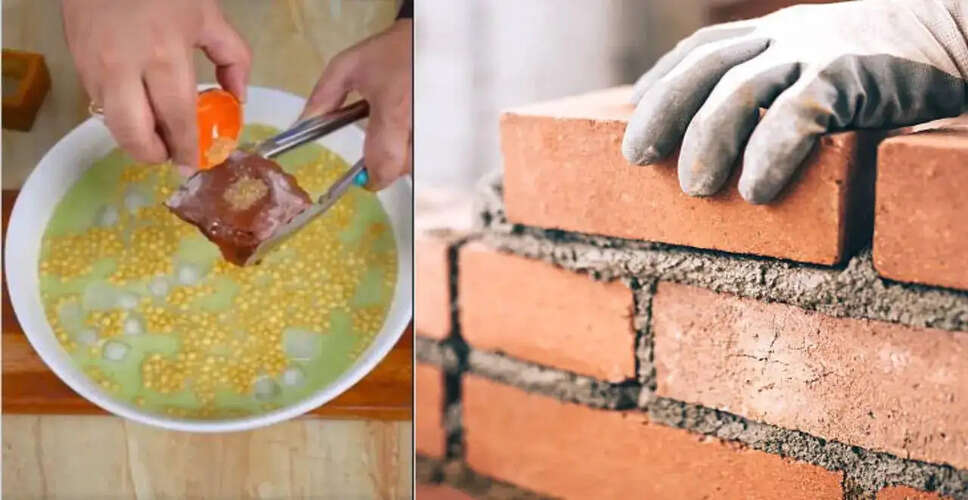

The Controversial Cooking Trend
A new viral trend on social media has chefs heating construction bricks and pouring hot oil or tadka over them before adding them to dishes. While many are curious about the smoky flavor it promises, health professionals are sounding alarms about the potential dangers. What seems like a fun cooking trick could expose individuals to harmful toxins.
Some chef on Instagram posted a reel where he is heating the brick, yes those red brick used in construction. And then putting a tadka on it and then putting it in the food for flavor. 😖Please don't do this ever. Bricks are high in heavy metals like arsenic, cadmium, chromium,… pic.twitter.com/rzRyJO0HSX
— Chirag Barjatya (@chiragbarjatya) April 20, 2026
Understanding the Heated Brick Trend
What is the heated brick cooking trend?
In various viral clips, chefs heat bricks until they are extremely hot and then use them to impart a smoky flavor to their dishes. While this may seem similar to traditional Indian cooking methods like dhungar, which uses hot charcoal for flavoring, there is a significant distinction: charcoal is safe for food, whereas construction bricks are not intended for culinary purposes.
Composition of Construction Bricks
What is inside a construction brick?
Although bricks may seem innocuous, they are composed of clay and other materials that can contain industrial contaminants. These may include hazardous heavy metals such as:
- Lead
- Arsenic
- Cadmium
- Chromium
These toxic substances are not visible and do not alter the food's taste immediately, making them particularly dangerous. When heated and combined with oil or food, these metals can leach into the dishes.
Health Concerns Raised by Experts
Why are experts concerned?
Medical professionals caution that this cooking trend poses significant health risks. Nutritionists warn that even small, repeated exposures can lead to serious long-term health issues. Accumulation of heavy metals in the body can result in:
- Brain and nervous system damage
- Kidney and liver dysfunction
- Hormonal imbalances
- Increased risk of chronic diseases
Unlike foodborne illnesses, these effects may not be immediate, making them harder to identify and potentially more harmful over time.
Comparison with Traditional Cooking Techniques
How does this differ from traditional cooking methods?
Traditional methods like dhungar are executed with care, utilizing food-safe materials. Charcoal is heated in a bowl to create smoke without contaminating the food directly. In contrast, construction bricks are industrial products not meant for consumption. Heating them can release harmful compounds, especially when they come into contact with oil or moisture, significantly raising the risk of contamination.
Safer Alternatives for Smoky Flavors
What are the safer ways to add smoky flavour?
If you enjoy smoky flavors, consider these safer, established alternatives:
- Utilize food-grade charcoal for the dhungar method
- Cook on a grill or smoker
- Add smoked spices like smoked paprika
- Explore professional food-safe smoking techniques
The popularity of viral food hacks encourages kitchen experimentation, but not all trends are safe. The heated brick method serves as a reminder that aesthetics and novelty should not overshadow fundamental safety principles. Experts stress that cooking should prioritize health and safety over viral trends. Just because a method appears innovative does not guarantee it is safe.
While the heated brick cooking trend may seem appealing for its smoky flavor, it carries significant health risks due to potential exposure to toxic metals. It is crucial to choose safe, food-grade cooking methods to safeguard long-term health.