
Health Risks of Heatwaves for Glioblastoma Patients

Impact of Rising Temperatures on Health
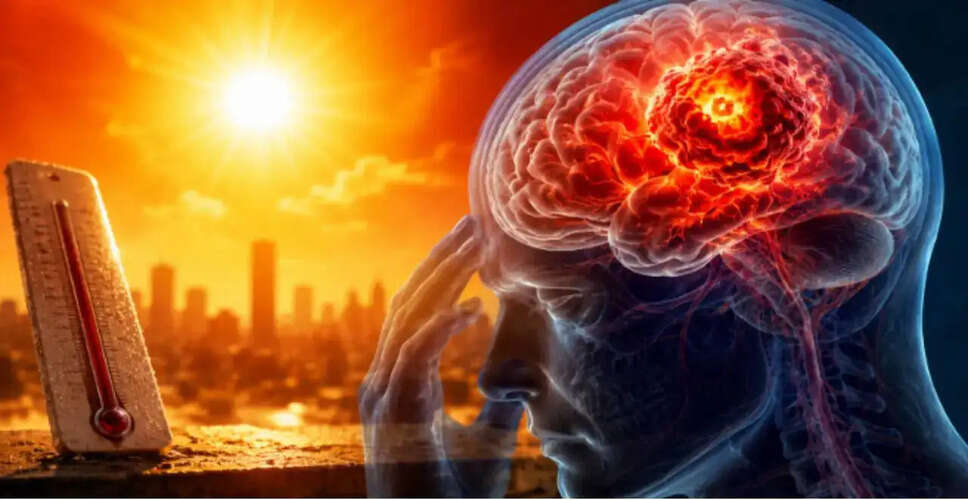
With the increasing frequency and intensity of heatwaves in India, medical professionals are raising alarms about the potential health hazards posed to individuals suffering from aggressive brain tumors, particularly glioblastoma. Experts indicate that extended exposure to high temperatures and dehydration can exacerbate neurological symptoms, complicating the management of this already challenging condition. Glioblastoma, a rare yet highly aggressive brain cancer, significantly disrupts normal brain function. Specialists warn that extreme heat can add stress to both the body and brain, potentially intensifying symptoms such as headaches, fatigue, dizziness, confusion, and seizures.
Understanding Brain Vulnerability in Extreme Heat
Why is the brain vulnerable during extreme heat?
The human brain is particularly sensitive to fluctuations in temperature and hydration levels. During heatwaves, excessive perspiration coupled with inadequate fluid intake can lead to dehydration, which reduces blood volume and limits oxygen delivery to the brain. Medical professionals explain that dehydration can also result in electrolyte imbalances, particularly low sodium levels, which may cause confusion, altered consciousness, weakness, and seizures. For glioblastoma patients, these symptoms can mimic signs of tumor progression, complicating the identification of the actual issue. Dr. Prahlad Yathiraj, Clinical Lead and Senior Consultant in Radiation Oncology at MGM Cancer Institute, noted, “Patients with glioblastoma may experience heightened headaches, fatigue, dizziness, confusion, and even seizures during extreme heat.”
Increased Heat Sensitivity Due to Cancer Treatment
Cancer treatment can increase heat sensitivity
Individuals undergoing treatment for glioblastoma are especially susceptible to heat-related issues. Treatments such as radiation therapy, oral chemotherapy, steroids, and anti-seizure medications can impair the body’s natural temperature regulation. Cancer therapies often leave patients feeling weak, fatigued, and with compromised immune systems. Additionally, some patients may have limited mobility post-surgery or due to neurological complications from the tumor, making it harder for them to react promptly to overheating signs. Experts caution that prolonged exposure to high temperatures can elevate the risk of heat exhaustion and heat stroke in these patients.
Role of Caregivers in Monitoring Symptoms
Caregivers must watch for warning signs
Healthcare professionals emphasize the vital role caregivers play in safeguarding glioblastoma patients during extreme weather. Many patients may already experience cognitive impairments or diminished mental functions due to the tumor, surgery, radiation, or chemotherapy. Consequently, they might not recognize early signs of dehydration or heat stress independently. Dr. Yathiraj advised, “Caregivers should not overlook symptoms like confusion, severe headaches, nausea, or unusual fatigue as mere aspects of the illness. Any sudden change in symptoms should be communicated to the treating physician.”
Preventive Measures for Patients During Heatwaves
Tips to protect glioblastoma patients during heatwaves
Health experts suggest several strategies to mitigate the effects of extreme heat on brain tumor patients:
- Encourage regular fluid intake throughout the day, even if the patient does not feel thirsty.
- Avoid direct sunlight and outdoor activities between 12 PM and 4 PM.
- Maintain a cool indoor environment using fans, curtains, or air conditioning.
- Dress patients in lightweight, loose-fitting cotton attire.
- Incorporate fruits and vegetables with high water content into meals.
- Adhere to medication schedules and monitor for any unusual symptoms.
- Seek immediate medical attention if symptoms worsen suddenly.
As temperatures rise, health professionals warn that climate change is amplifying health risks for vulnerable populations, including cancer patients and those with neurological disorders. While heatwaves are often perceived as environmental challenges, experts highlight their serious internal health implications for patients already facing complex conditions like glioblastoma. Timely recognition of heat-related symptoms, adequate hydration, and prompt medical intervention can help avert complications and enhance patient safety during extreme heat events.