
Health Risks from Wildfire Smoke Blanketing the Midwest and Northeast
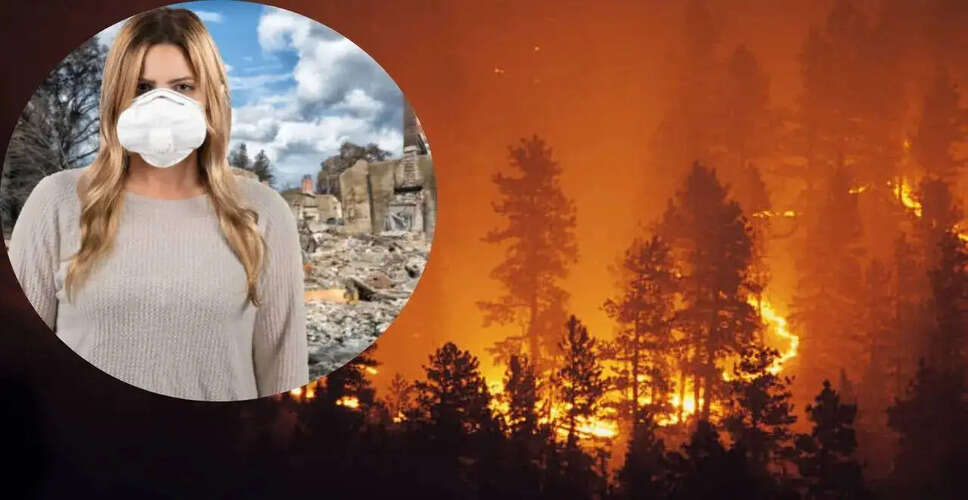

Wildfire Smoke Impacting Air Quality
Significant wildfire smoke from extensive fires in Canada and Minnesota is enveloping vast areas of the Midwest and Northeast United States, leading health officials to issue air quality warnings for millions. Experts caution that the combination of thick smoke and extreme summer temperatures could heighten the risk of respiratory and cardiovascular issues, particularly for at-risk groups. Minnesota authorities have declared an air quality alert effective until Friday, with regions like Two Harbors and the Grand Portage Tribal Nation facing hazardous pollution levels. Similar alerts have been issued across Wisconsin, Michigan, New York, and parts of New England as the smoke continues to drift eastward.
Dangers of Wildfire Smoke
Why is wildfire smoke dangerous?
Wildfire smoke comprises fine particulate matter (PM2.5), which consists of tiny particles smaller than 2.5 micrometers that can deeply infiltrate the lungs and even enter the bloodstream. These pollutants are among the most harmful types of air pollution, affecting various organs beyond just the respiratory system. Experts indicate that long-term exposure to PM2.5 is associated with heightened risks of asthma attacks, exacerbations of chronic obstructive pulmonary disease (COPD), heart attacks, strokes, and even premature death. The severe drought and high temperatures in Canada and parts of the U.S. have created favorable conditions for large wildfires to ignite and spread rapidly. Climate scientists also highlight that increasing global temperatures, driven by fossil fuel emissions, are extending and intensifying wildfire seasons.
Health Effects of Wildfire Smoke
Health effects of wildfire smoke
Even individuals in good health may experience symptoms after several hours of exposure to smoky air. Common symptoms include:
- Persistent coughing
- Wheezing and breathlessness
- Sore throat
- Burning or watery eyes
- Tightness in the chest
- Headaches
- Dizziness and fatigue
Those with asthma, COPD, heart disease, diabetes, or weakened immune systems face a significantly higher risk of severe complications. Additionally, children, older adults, and pregnant women are more susceptible due to their increased sensitivity to polluted air. Medical professionals warn that smoke exposure, combined with high temperatures, adds stress to the body, raising the chances of dehydration, heat-related illnesses, and breathing difficulties.
Areas Most Affected
Which are the most affected areas?
In addition to Minnesota, the smoke plume is anticipated to extend across Wisconsin, Michigan, New York, Northern Pennsylvania, Maine, New England, Detroit, Milwaukee, and possibly Washington, D.C. by Thursday. Residents in these regions have reported hazy skies with a yellow or brown hue, indicating the presence of dense smoke in the atmosphere.
Protective Measures
How to protect yourself
Health professionals recommend taking additional precautions while air quality remains poor.
Stay indoors
Avoid outdoor activities, particularly strenuous exercises like running, cycling, or yard work.
Keep indoor air clean
Close windows and doors, utilize air conditioning on recirculation mode if available, and operate a HEPA air purifier to lower indoor particle levels.
Wear an N95 mask outdoors
If you must venture outside, wear a properly fitted N95 or KN95 respirator, which effectively filters out most fine smoke particles. Cloth masks do not offer sufficient protection against PM2.5.
Monitor air quality
Check your local Air Quality Index (AQI) before engaging in outdoor activities. An AQI in the "Unhealthy" or "Hazardous" range indicates that everyone should limit outdoor exposure.
Stay hydrated
Smoke and heat can lead to increased dehydration. Ensure you drink plenty of water and avoid excessive physical exertion during the hottest parts of the day.
Long-Term Health Concerns
The long-term health concern
While short-term exposure can cause immediate respiratory irritation, repeated or prolonged exposure to wildfire smoke is increasingly recognized as a significant public health threat. Research has linked long-term exposure to fine particulate pollution with chronic lung diseases, cardiovascular issues, cognitive decline, and premature mortality. As wildfire seasons become more frequent and severe due to climate change, health experts emphasize the importance of minimizing smoke exposure. Adhering to air quality advisories, limiting outdoor activities, and employing protective measures can greatly mitigate the health risks associated with wildfire smoke.