
Health Risks During Mumbai's Monsoon: Expert Warnings
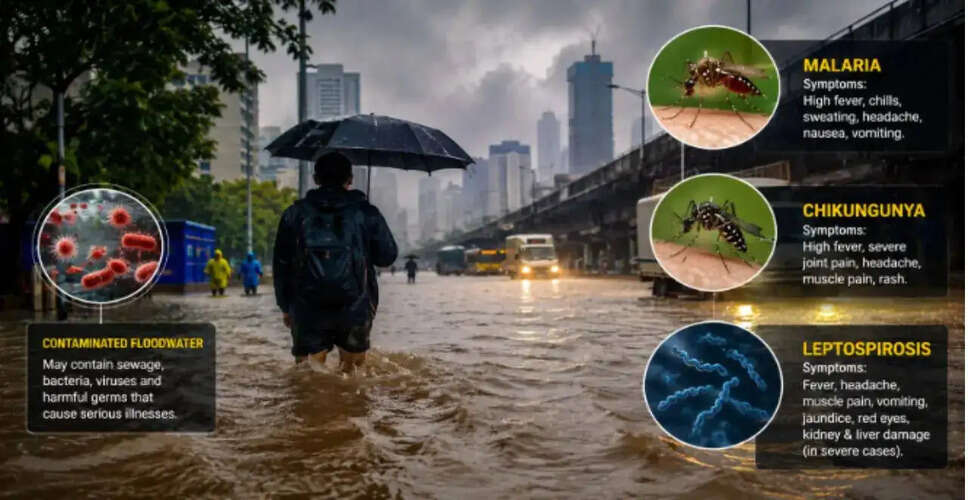

Health Concerns Amidst Heavy Rains in Mumbai
As Mumbai faces relentless monsoon downpours, health professionals are alerting residents to the potential health hazards that go beyond mere inconveniences like traffic disruptions and flooded streets. The India Meteorological Department (IMD) has issued a red alert for Mumbai and the nearby Palghar district due to severe rainfall, thunderstorms, and strong winds. Exposure to floodwaters can heighten the risk of infections and serious health issues. Following the late arrival of the southwest monsoon, heavy rains have inundated roads, railway lines, and low-lying areas throughout the city. Commuters navigating through these flooded zones are cautioned that contaminated water may harbor disease-causing bacteria, viruses, and parasites.
5:40 AM.. Severe waterlogging over Mumbai's Andheri West ⛈️⚠️Mumbaikars, avoid unnecessary travel #MumbaiRains pic.twitter.com/h7qGhwaGVp
— Mumbai Rains (@rushikesh_agre_) June 24, 2026
Understanding the Dangers of Floodwater
Why is floodwater dangerous?
Floodwater is seldom just rain; it often contains sewage, waste, industrial pollutants, animal excrement, and harmful microorganisms that can enter the body through cuts or accidental ingestion. Health experts warn that even brief exposure to contaminated water can elevate the risk of various infectious diseases, particularly during the monsoon season.
Leptospirosis: A Significant Health Risk
Leptospirosis: A major monsoon threat
Leptospirosis is one of the primary health threats during flooding, caused by bacteria found in water contaminated with the urine of infected animals. The bacteria can enter through cuts, abrasions, or mucous membranes. Symptoms include:
- Fever
- Headache
- Muscle pain
- Vomiting
- Red eyes
- Fatigue
In severe cases, leptospirosis can lead to kidney failure, liver damage, meningitis, and respiratory issues, necessitating hospitalization.
Skin Infections and Fungal Diseases
Skin infections and fungal diseases
Prolonged exposure to floodwater can soften the skin, creating a conducive environment for fungal and bacterial infections. Common ailments include athlete's foot, ringworm, fungal nail infections, cellulitis, and infected wounds. Individuals with diabetes are particularly at risk, as even minor foot injuries can escalate into serious conditions if not treated promptly.
Gastrointestinal Infections on the Rise
Gastrointestinal infections on the rise
Monsoon flooding frequently contaminates drinking water and food supplies. Contact with polluted water can result in diarrhea, food poisoning, cholera, typhoid, and hepatitis A and E. Vulnerable groups such as children, the elderly, and those with compromised immune systems are at a heightened risk of dehydration and complications from these infections.
Mosquito-Borne Diseases Following Flooding
Mosquito-borne diseases follow flooding
While floodwater itself does not transmit dengue or malaria, the stagnant water left behind after heavy rains creates ideal breeding conditions for mosquitoes. This can lead to an increase in:
- Dengue fever
- Malaria
- Chikungunya
Symptoms such as high fever, severe body aches, rashes, and persistent fatigue should not be overlooked during the monsoon season.
Protective Measures During Mumbai's Monsoon
Ways to protect yourself during Mumbai's monsoon
Health professionals suggest the following precautions:
- Avoid walking through floodwaters whenever possible.
- Wear waterproof boots or protective footwear.
- Cover cuts and wounds with waterproof bandages.
- Thoroughly wash exposed skin with soap and clean water.
- Change out of wet clothing immediately.
- Only drink safe, filtered, or boiled water.
- Steer clear of food from unsanitary roadside vendors during flooding.
- Utilize mosquito repellents and eliminate stagnant water around residences.
If you experience fever, body aches, vomiting, diarrhea, skin infections, redness around wounds, or breathing difficulties after contact with floodwater, seek medical attention promptly.