
Health Risks Associated with Recent Dust Storms in Rajasthan

Impact of Recent Dust Storms
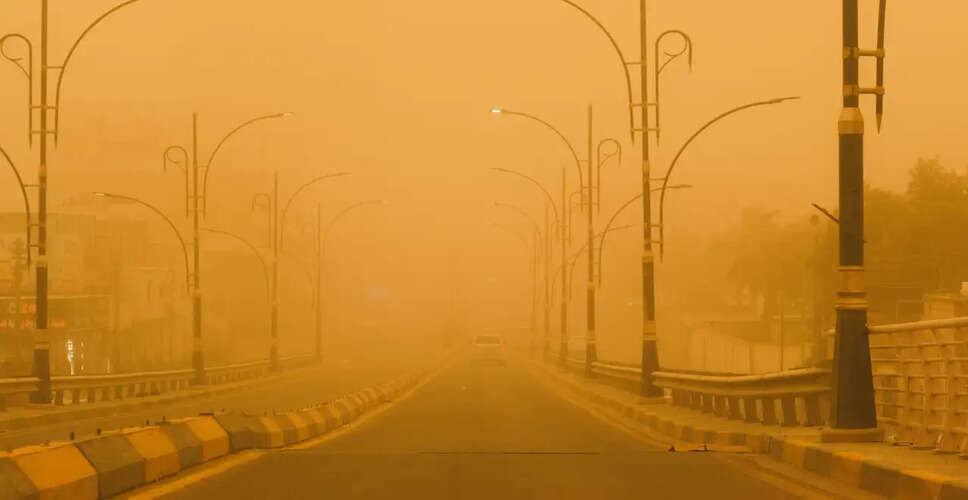
Recently, Rajasthan experienced severe dust storms that transformed the afternoon sky into a dark haze, engulfing roads in thick clouds of sand and halting activities in numerous towns. Areas such as Churu, Bikaner, Hanumangarh, and Sri Ganganagar saw visibility plummet to nearly zero as strong winds transported vast amounts of dust. Footage of these storms quickly gained traction online, with many likening the scenes to apocalyptic scenarios. However, while the visuals were captivating, health professionals emphasize that the real consequences often emerge after the storm has passed.
The Health Implications of Dust Storms
The Effect Of Dust Storms
Dust storms carry more than just sand; they fill the air with tiny particles that can penetrate the eyes, nose, throat, and lungs. Immediate symptoms for many include watery or burning eyes, sneezing, throat irritation, coughing, and headaches. Individuals with pre-existing conditions like asthma, allergies, or respiratory illnesses are particularly at risk. Experts have consistently warned that inhaling dust-laden air can exacerbate breathing issues and trigger asthma attacks, especially in children and the elderly.
The respiratory system often suffers the most. Fine dust particles can penetrate deep into the lungs, causing airway irritation and making breathing more challenging. Some individuals may experience symptoms like chest tightness, wheezing, or shortness of breath even hours after exposure. The severity of storms, with wind speeds reaching 70–80 km/h, keeps significant amounts of dust suspended in the air for prolonged periods, affecting entire cities.
Skin health is also compromised. Dust combined with hot, dry winds can deplete moisture, leading to irritation, itchiness, and dehydration. Eyes are similarly affected, with many reporting redness, dryness, and discomfort after being outdoors during a storm.
Preventive Measures and Recommendations
What Can You Do?
Fortunately, recovery often starts with minimizing further exposure. Health professionals advise staying indoors until air quality improves, keeping windows shut, and thoroughly washing the face and eyes with clean water after being outside. Staying hydrated is crucial to counteract dehydration caused by the extreme heat and dry conditions that accompany dust storms.
For those with respiratory conditions, adhering to prescribed inhalers and medications is vital during storm season. Wearing a well-fitted mask outdoors can significantly reduce the amount of dust inhaled. Additionally, using eye protection like sunglasses can provide extra defense against the harsh winds.
Meteorologists suggest that rising temperatures and shifting weather patterns may be intensifying dust storms across northern India. As Rajasthan endures extreme heat and seasonal storms, safeguarding respiratory health is becoming as crucial as seeking shelter from the elements. Once the storms pass, the dust often remains, along with its effects on health. For residents in dust-prone areas, prevention is key. Maintaining clean indoor environments, utilizing air purifiers when possible, and limiting outdoor activities during severe weather alerts can significantly mitigate the health risks associated with dust storms.