
Health Concerns Arise After Over 100 Schoolgirls Fall Ill in Jharkhand
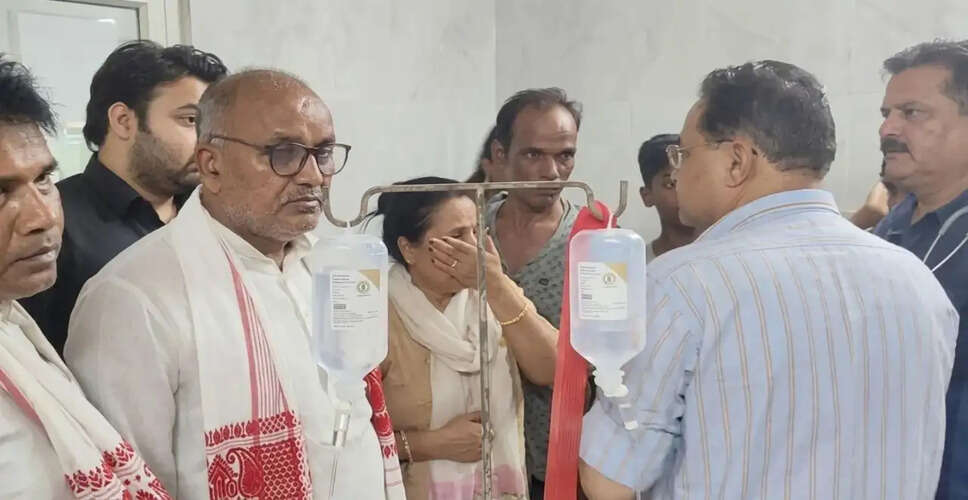

Incident at Jharkhand Residential School
In a troubling incident, over 100 schoolgirls from a residential institution in Jharkhand were hospitalized after reportedly becoming ill from drinking water stored in an overhead plastic tank. This event occurred at the Kasturba Gandhi Balika Vidyalaya located in Garhwa district, raising concerns about the safety of drinking water during extreme summer temperatures and the potential health risks associated with plastic storage tanks.
Details of the Incident
District officials reported that the students experienced symptoms such as stomach pain, vomiting, dizziness, and weakness shortly after consuming the water. While the majority of the girls were treated and released, a few remained under medical supervision. Following an initial investigation, the school warden, a teacher, and a cook have been suspended. Additionally, samples of food and water have been sent for laboratory testing to identify the cause of the illnesses.
Preliminary findings indicated that the school had received complaints regarding poor food quality, unsanitary conditions, and insufficient access to clean drinking water. Local officials noted that a power outage had prevented students from using the school's reverse osmosis (RO) water system, which was reportedly located in the warden's room. Consequently, many students resorted to drinking water that had been stored in an overhead plastic tank, which had been exposed to the day's intense heat. Investigators are still awaiting laboratory results to confirm whether the plastic tank or the heat was responsible for the illnesses.
Is Water in Plastic Tanks Safe During High Temperatures?
Experts clarify that heat alone does not inherently render stored water unsafe. However, prolonged exposure to high temperatures can foster conditions conducive to bacterial and algal growth, particularly if the tank is not well-maintained, clean, or properly sealed. Stagnant water may also become contaminated by dust, insects, or other pollutants if the storage systems lack adequate protection.
Another factor to consider is the quality of the storage tank. Most modern water tanks made from food-grade plastic are designed for safe drinking water storage. However, low-quality plastic or older, damaged tanks exposed to prolonged sunlight may leach small amounts of chemicals into the water. While current evidence does not indicate that this alone causes sudden illnesses like vomiting or stomach pain, experts advise using certified food-grade tanks and replacing any that are damaged.
Public health experts emphasize that outbreaks affecting multiple individuals are more frequently linked to microbial contamination rather than chemicals leaching from plastic. Bacteria, viruses, or parasites entering stored water due to poor hygiene or inadequate maintenance are far more likely to cause symptoms such as nausea, diarrhea, and vomiting.
To mitigate these risks, it is essential to regularly clean water storage tanks and ensure they are tightly covered. Regular inspections for cracks and protection from direct sunlight are also crucial. Ideally, drinking water should be sourced from treated supplies. Furthermore, schools, hostels, and residential facilities must guarantee continuous access to safe and clean water, especially during the summer months when dehydration increases the need for hydration. As the investigation in Jharkhand progresses, the laboratory analysis of the water and food samples will be critical in determining the cause of the students' illnesses. This incident serves as a vital reminder that the safety of drinking water relies not only on its source but also on how it is stored and maintained.