
Gujarat Introduces Innovative Health Passport for Children

Overview of the Health Passport Initiative
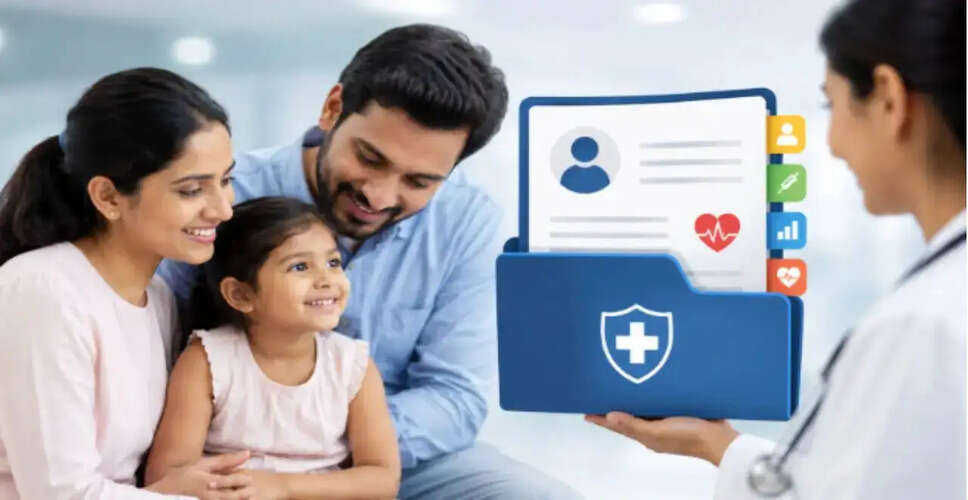
The Gujarat government has unveiled a pioneering Health Passport initiative aimed at nearly 1.89 crore children, establishing a detailed health record that accompanies each child from birth until they reach 18 years. This initiative, part of the School Health - Rashtriya Bal Swasthya Karyakram (SH-RBSK), is designed to enhance preventive healthcare, facilitate early disease detection, and ensure timely medical attention during childhood. Unlike traditional medical cards, the Health Passport acts as a comprehensive record of a child's health journey, capturing routine check-ups, vaccinations, nutritional assessments, developmental milestones, referrals, treatments, and follow-up care. This initiative is anticipated to enhance the continuity of healthcare, making it simpler for parents and healthcare providers to access essential medical information as needed.
Functionality of the Health Passport
What does the health passport do?
The Health Passport is a tangible document linked to a digital health database that chronicles a child's entire medical history from birth to 18 years. While annual health screening data has been available on the SH-RBSK digital portal for several years, parents often faced challenges accessing these records. The Health Passport addresses this issue by offering families a portable document that can be utilized during medical consultations, hospital visits, emergencies, or follow-up appointments. Regular updates ensure that healthcare providers have access to the most current medical information about the child.
Eligibility for the Health Passport
Who will receive the health passport?
This initiative encompasses all children aged 0 to 18 years in Gujarat, benefiting around 1.89 crore children. Health screenings will be conducted by 992 mobile health teams across various institutions, including anganwadis, government schools, private schools, madrasas, gurukuls, and special schools. Parents are not required to submit any additional documentation. Once a child's health information is entered into the SH-RBSK digital system during the screening, the Health Passport is issued immediately.
Contents of the Health Passport
What information does the health passport include?
The passport compiles a thorough health profile by documenting:
- Personal identification details
- Birth information
- Age-wise health check-ups
- Vaccination and screening records
- Nutritional status
- Height, weight, and physical growth
- Mental and developmental milestones
- Referral history
- Treatment details
- Lifestyle and nutrition advice
- Emergency helpline numbers
This consolidated information aids healthcare professionals in making informed decisions without unnecessary repetition of tests or relying solely on parental recollection.
Emphasis on Early Detection
Focus on early detection through the "4Ds"
A key aspect of the SH-RBSK program is its focus on screening children under the 4D framework, which identifies defects at birth, deficiencies, childhood diseases, and developmental delays and disabilities. Early diagnosis enables children to receive specialist referrals and treatment before conditions escalate, thereby enhancing long-term health outcomes and quality of life. The Health Passport will remain active throughout childhood and will be updated annually. For children under five years old and those not enrolled in school, annual renewals will be conducted by the Medical Officer at the Primary Health Centre. For school-going children, yearly updates will occur following routine health screenings coordinated through school principals. While families receive a physical passport, all records are also securely stored on the SH-RBSK digital platform. If the passport is lost or damaged, authorities can generate a replacement using the digital records. This dual system ensures that crucial medical information is never permanently lost and can be accessed whenever necessary. The health passport promotes regular health screenings, enhances follow-up care, and raises parental awareness about preventive healthcare. By merging physical records with digital data, Gujarat is making significant strides toward establishing a more organized and child-centric healthcare system. If successful, this initiative could serve as a model for other Indian states aiming to bolster preventive child healthcare through continuous medical monitoring and early intervention.