
Google's Ambitious Plan to Release Millions of Lab-Bred Mosquitoes to Combat Diseases

Introduction to the Mosquito Release Initiative
In a groundbreaking initiative reminiscent of a sci-fi narrative, Google is pursuing authorization to distribute 32 million lab-engineered mosquitoes across various regions in the United States. The scientists involved assert that this unconventional strategy could significantly lower the incidence of lethal mosquito-borne illnesses like Malaria, minimizing the reliance on chemical pesticides. This proposal is currently under the scrutiny of the United States Environmental Protection Agency (EPA) and is part of Google’s “Debug” project, a long-standing research effort aimed at developing innovative mosquito control methods. According to the proposal submitted to the US Federal Register, the plan involves releasing 16 million sterilized male mosquitoes in Florida and California in the first year, followed by an additional 16 million in the subsequent year. However, the document does not disclose specific trial sites or a timeline for the launch.
Rationale Behind Releasing More Mosquitoes
Why Release More Mosquitoes?
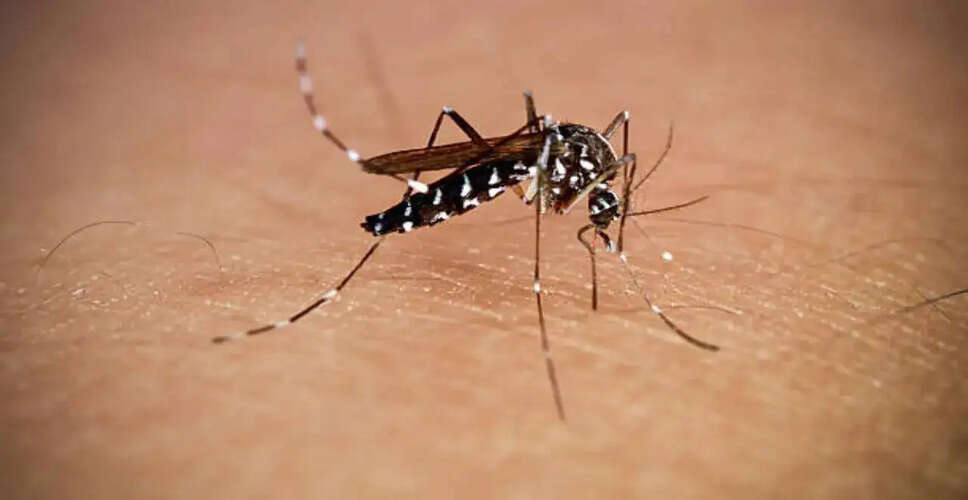
At first glance, the idea of releasing millions of mosquitoes to manage mosquito populations may appear paradoxical. Nevertheless, researchers explain that this approach aims to gradually reduce mosquito numbers. The project employs male mosquitoes that are infected with a naturally occurring bacterium known as Wolbachia pipientis. When these males mate with wild female mosquitoes, the resulting eggs fail to hatch, leading to a slow decline in the mosquito population. Notably, only female mosquitoes bite humans and transmit diseases such as dengue, Zika virus, chikungunya, and yellow fever. Since male mosquitoes do not bite, their release is not expected to increase the number of biting mosquitoes. Scientists assert that this method specifically targets disease-carrying mosquitoes while minimizing the use of pesticides that could harm other insects and the environment.
Overview of Google's Debug Initiative
What is Google’s Debug Initiative?
Initiated in 2014, Google’s Debug project aims to devise new strategies for combating mosquito-borne diseases through its research division. The initiative collaborates with researchers, local communities, and public health organizations to establish safer and more effective mosquito control systems. According to the Debug website, the team is dedicated to working with global partners to develop innovative methods for managing mosquitoes that transmit diseases, ultimately helping people lead healthier lives. Mosquito-borne diseases continue to pose a significant global health risk, with the World Health Organization estimating that these illnesses affect hundreds of millions of individuals worldwide each year.
Historical Context of the Technique
The Technique Has Been Used Before
The concept of sterilizing insects to manage their populations is not entirely novel. Researchers have investigated the “sterile insect technique” for many years as an eco-friendly alternative to chemical insecticides. This method has previously proven effective against pests like the New World screwworm, which infests livestock, wildlife, and pets by burrowing into their wounds. It has also been utilized to control outbreaks of the Mediterranean fruit fly. Public health experts believe that mosquito-targeted adaptations of this technique could become increasingly vital as climate change and urbanization facilitate the spread of mosquito-borne diseases into new areas.
Addressing Concerns and Questions
Concerns and Questions
Despite the scientific foundation supporting this initiative, it is likely to encounter public skepticism and environmental concerns. Critics may voice apprehensions regarding ecological impacts, unintended consequences, and the introduction of genetically altered or bacteria-infected insects into natural habitats. However, researchers stress that these mosquitoes are not intended to survive indefinitely and that Wolbachia bacteria are already present in numerous insect species. If granted approval, this experiment could represent one of the largest mosquito control trials in the United States and potentially transform future approaches to combating deadly vector-borne diseases.