
FSSAI Urges Immediate Replacement of Damaged Kitchen Equipment to Enhance Food Safety
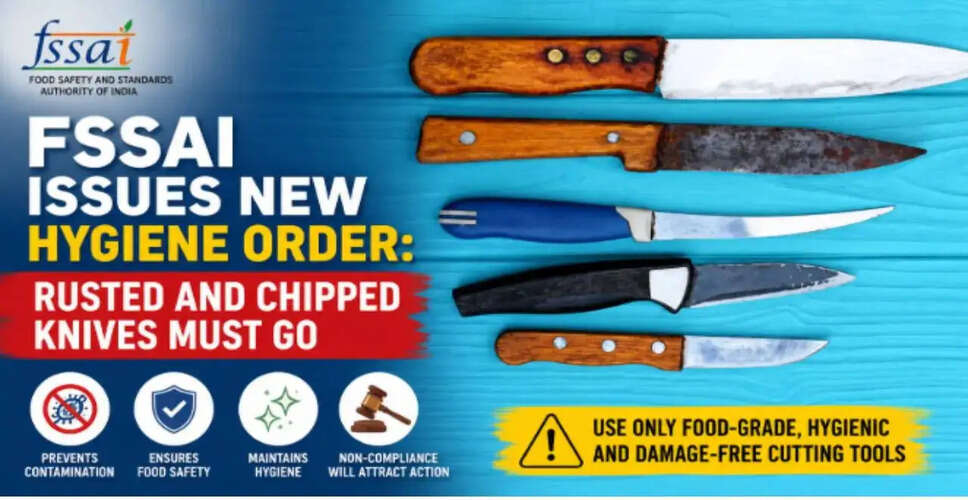

FSSAI's New Directive on Food Safety
The Food Safety and Standards Authority of India (FSSAI) has released a new advisory urging all food businesses to promptly replace any knives and cutting tools that are rusted, chipped, corroded, painted, or otherwise damaged. This initiative is designed to enhance food hygiene standards and mitigate the risk of food contamination, which can lead to foodborne illnesses. The advisory reiterates existing regulations under the Food Safety and Standards (Licensing and Registration of Food Businesses) Regulations, 2011, reminding operators that using damaged tools is a violation of essential food safety standards.
Reasons Behind FSSAI's Action
FSSAI has noted that inspections have uncovered numerous food establishments still utilizing worn-out knives and food-contact equipment, despite regulations mandating the use of hygienic, food-grade tools. The authority cautioned that such damaged equipment poses contamination risks through various means, including:
- Physical contamination: Metal shards, paint chips, or fragments from broken blades can contaminate food.
- Chemical contamination: Rust and corrosion can leach harmful substances into food.
- Microbiological contamination: Cracks and rusted surfaces can harbor bacteria and fungi, which are difficult to eliminate through standard cleaning.
These contaminants can elevate the risk of food poisoning and jeopardize overall food safety.
Requirements of the New Advisory
FSSAI has mandated that all food business operators—including restaurants, hotels, catering services, food processing units, cloud kitchens, bakeries, and packaging facilities—ensure their cutting tools comply with hygiene standards. The advisory specifies that businesses must:
- Immediately replace any rusted, chipped, corroded, or damaged knives.
- Utilize only food-grade, corrosion-resistant cutting tools.
- Ensure knives and blades are free from cracks, broken edges, peeling paint, or other defects.
- Adhere to regular cleaning, sanitization, and sterilization protocols.
- Promptly dispose of worn-out equipment.
The authority stressed that all surfaces in contact with food must be kept hygienic to prevent contamination during food preparation, processing, packaging, and storage.
Health Risks Associated with Damaged Knives
Experts in food safety emphasize that using damaged cutting tools is not merely a maintenance issue; it poses a significant public health risk. Rust and cracks can create small crevices where harmful bacteria can thrive, even after routine cleaning. Additionally, cross-contamination between raw and cooked foods is more likely when equipment is inadequately sanitized. Consuming contaminated food can result in symptoms such as diarrhea, vomiting, stomach cramps, fever, food poisoning, and severe infections, particularly in vulnerable populations like children, the elderly, pregnant women, and those with weakened immune systems. Maintaining clean, food-grade equipment is crucial in minimizing these risks.
Increased Inspections and Penalties
FSSAI has directed state food safety commissioners, regional directors, and local food safety officers to enhance inspections across food establishments. Businesses found using non-compliant equipment may face enforcement actions under the Food Safety and Standards Act, 2006, which could include penalties and other regulatory measures. This advisory has been disseminated nationwide, indicating a broader compliance initiative within India's food industry. While the directive primarily targets food businesses, consumers can also contribute to food safety by selecting restaurants and food outlets that visibly uphold hygiene standards. At home, replacing rusted or damaged kitchen knives and regularly sanitizing cutting boards and utensils can further help reduce the risk of food contamination.