
Five Groups Who Should Be Cautious with Moringa Powder
Understanding Moringa Powder and Its Precautions
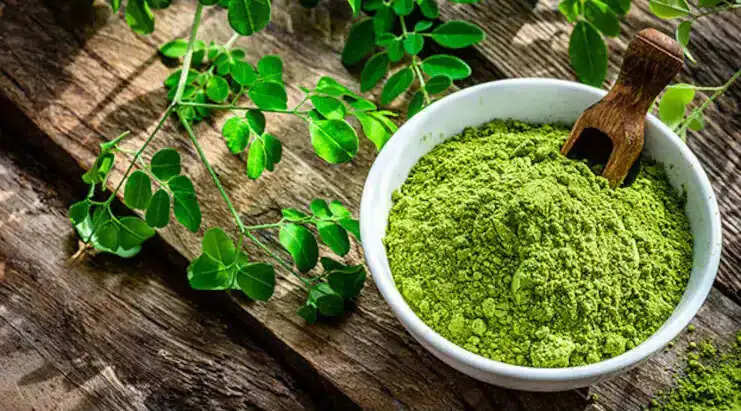
Moringa powder, commonly referred to as drumstick powder, is celebrated for its nutrient density, antioxidants, and vital vitamins. Despite its many health advantages, it is not appropriate for everyone. Below are five categories of individuals who should either steer clear of Moringa powder or use it with caution.
1. Expecting Mothers
Although Moringa leaves and flowers can be advantageous during pregnancy, the roots and bark might induce uterine contractions, which could lead to complications. It is advisable for pregnant women to consult their healthcare provider before incorporating Moringa into their diet.
2. Nursing Mothers
Moringa is frequently suggested to boost breast milk supply, but overconsumption may result in digestive problems for both the mother and the infant. It’s crucial to keep track of the intake and seek medical guidance.
3. Individuals with Hypotension
Moringa is known to naturally lower blood pressure. Therefore, those who already experience low blood pressure should be careful, as excessive intake could further decrease blood pressure levels, potentially causing dizziness or fainting spells.
4. Diabetics on Medication
Moringa can assist in controlling blood sugar levels, making it beneficial for those with diabetes. However, if you are taking diabetes medication, it may intensify the medication's effects, leading to dangerously low blood sugar levels. Always consult your healthcare provider before use.
5. People with Digestive Disorders
Moringa may lead to digestive discomfort, such as gastric issues, bloating, and diarrhea, if taken in large amounts. Individuals with sensitive digestive systems should refrain from consuming excessive quantities.