
Exploring the Therapeutic Benefits of Tango Therapy
Understanding Tango Therapy
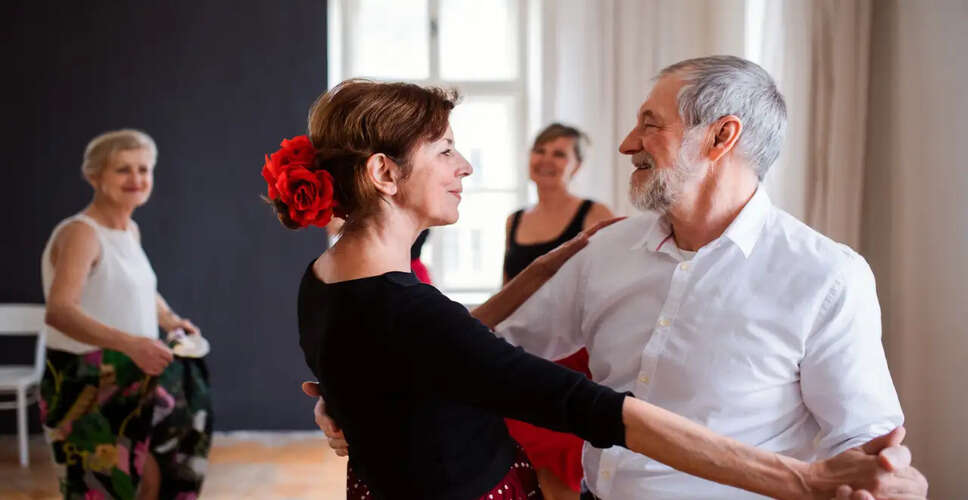
Tango therapy involves two individuals moving gracefully together in silence, guided solely by music, weight shifts, and mutual trust. This innovative approach harnesses the unique aspects of Argentine tango for therapeutic purposes. Initially observed in Parkinson's patients who exhibited improved movement while dancing compared to traditional physical therapy, tango therapy has now gained recognition and is implemented in hospitals, rehabilitation facilities, and mental health clinics globally.
What Is Tango Therapy?
What Is Tango Therapy?
This therapy is a structured intervention based on research findings. Therapists utilize the movements, rhythms, and connections inherent in Argentine tango to assist individuals facing physical, neurological, or psychological challenges. Unlike conventional dance classes that focus on performance, tango therapy is tailored to meet each patient's unique abilities and objectives. Sessions can be conducted individually or in groups, typically led by trained therapists who may collaborate with medical professionals.
The mechanics of tango make it particularly suitable for therapeutic applications. Dancing tango requires constant negotiation of balance and pace between partners. One leads while the other follows, but the essence lies in the non-verbal communication and presence shared through movement, which serves as the therapeutic core.
Physical Advantages of Tango Therapy
The Physical Benefits
Tango therapy is especially recognized for its effectiveness in treating Parkinson's disease. Numerous studies indicate that the slow steps, frequent directional changes, and intentional weight shifts characteristic of tango directly address symptoms such as freezing gait, balance issues, and shuffling. In fact, tango often matches or surpasses traditional exercise programs in enhancing mobility and balance. Additionally, patients tend to enjoy the experience, leading to longer engagement. However, its benefits extend beyond Parkinson's; tango therapy aids stroke survivors in regaining coordination and spatial awareness, is utilized in fall-prevention initiatives for seniors, and assists individuals with multiple sclerosis in improving their stride and reducing fatigue. The close embrace of tango provides patients with continuous feedback regarding their body positioning, a feature often lacking in standard physiotherapy exercises.
Psychological and Social Benefits
The Psychological and Social Benefits
On the psychological and social front, tango therapy has been evaluated with individuals experiencing depression, anxiety, PTSD, and dementia. The dance requires full attention, fostering a natural mindfulness practice. For those battling depression, the combination of touch, social interaction, and rhythmic movement can elevate mood by stimulating the release of dopamine and serotonin. In cases of PTSD, particularly trauma linked to the body, tango provides a structured environment to re-establish comfort with intimacy and regain a sense of control. In dementia care, tango therapy can reach individuals who have become largely non-communicative, as music and movement activate brain regions that remain resilient even as other functions decline, facilitating connection and authentic moments of interaction.
Accessibility of Tango Therapy
Who Can Access It?
Tango therapy is more widely available than one might expect. Some hospitals incorporate it into their rehabilitation programs, and it can also be found in community health centers, universities, and specialized studios. Therapists customize sessions for individuals using wheelchairs, walkers, and varying mobility levels—no prior dance experience is necessary. While tango therapy does not replace conventional medical treatments, it serves as a powerful adjunct, encouraging movement, connection, and active participation. This holistic approach treats the individual as a whole rather than merely addressing a diagnosis.