
Exploring the Health Benefits of Cinnamon and Clove for Blood Sugar Management
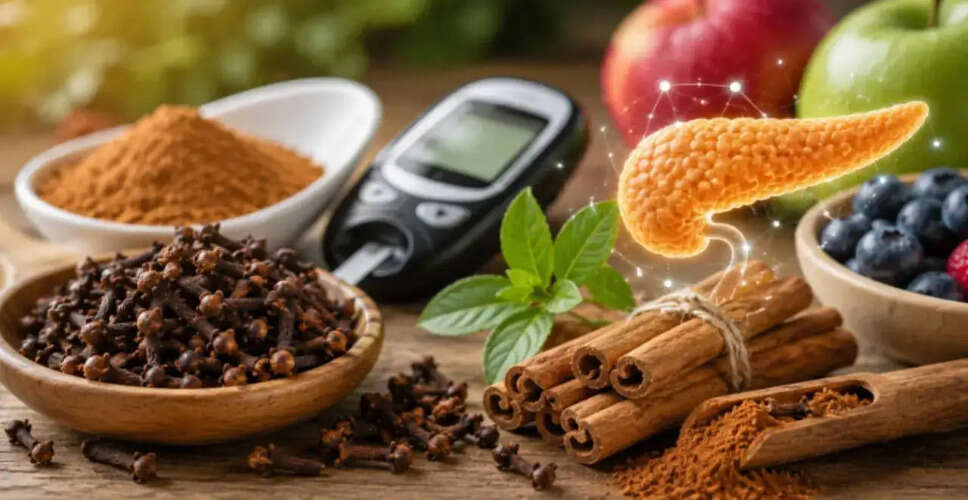

The Buzz Around Cinnamon and Clove
Social media platforms are abuzz with assertions that two widely used kitchen spices, cinnamon and clove, can enhance insulin sensitivity, lower blood sugar levels, and potentially prevent Type 2 diabetes. Many wellness influencers and health blogs advocate these natural remedies as simple solutions for blood sugar management. However, how much of this is scientifically validated? Dr. Ankita Tiwari, a Consultant Diabetologist and Endocrinologist at Manipal Hospital, states that while these spices may provide some metabolic advantages, they are not miraculous solutions for insulin resistance or diabetes. “It is essential to scrutinize the scientific evidence to ascertain actual outcomes,” she remarked.
Understanding Insulin Sensitivity
What is insulin sensitivity?
Insulin sensitivity indicates how well the body's cells react to insulin, the hormone that facilitates glucose transport from the bloodstream into cells for energy. When cells become less responsive to insulin, it leads to insulin resistance, making it difficult for the body to maintain blood sugar levels. Over time, this condition can heighten the risk of developing Type 2 diabetes. Thus, enhancing insulin sensitivity is crucial for diabetes prevention and management.
Scientific Insights on Cinnamon
What does science say about cinnamon?
Cinnamon has garnered considerable scientific interest as a natural remedy for blood sugar regulation. Researchers have discovered various bioactive compounds in cinnamon that may improve insulin function and glucose metabolism. Some studies indicate that cinnamon might slightly lower fasting blood sugar levels and enhance insulin sensitivity markers, particularly in individuals with prediabetes or Type 2 diabetes. However, findings have been inconsistent. Experts highlight that the effectiveness of cinnamon can vary based on factors such as the type of cinnamon, dosage, duration of use, and the individual's overall health. While it shows promise, cinnamon should be regarded as a complementary dietary addition rather than a primary treatment. “Research indicates that findings exhibit minor effects that differ across studies, influenced by multiple factors including cinnamon type, dosage, duration of use, and individual health status,” Dr. Tiwari explained.
The Role of Clove in Blood Sugar Control
Can clove help control blood sugar?
Clove contains eugenol, a potent antioxidant that has been investigated for its potential metabolic advantages. Initial research suggests that clove extracts may aid in reducing oxidative stress and promoting healthy blood sugar levels. Elevated oxidative stress is common in individuals with diabetes and can lead to long-term complications. By mitigating oxidative damage, clove may provide some protective effects. Nevertheless, Dr. Tiwari points out that the current evidence regarding clove is limited, and larger clinical trials are necessary before making strong recommendations about its role in enhancing insulin sensitivity.
Debunking Myths About Cinnamon and Clove
The biggest myth about cinnamon and clove
A prevalent myth is that consuming cinnamon and clove can reverse insulin resistance without any lifestyle modifications or medical interventions. Health professionals strongly contest this notion. While these spices may support overall metabolic health, they cannot substitute established strategies such as regular physical activity, a balanced diet, weight management, sufficient sleep, and necessary medications. “These spices offer health benefits when incorporated into a balanced diet, but they are not quick fixes. Individuals aiming to meet their health goals should adopt lifestyle changes,” she advised.
Potential Risks of Excessive Use
Are there any risks?
Experts also warn against the excessive consumption of cinnamon supplements, particularly cassia cinnamon, which contains coumarin—a compound that may lead to liver damage if ingested in large amounts over time. Likewise, concentrated clove supplements should only be taken under medical supervision.