
Exploring the Connection Between Fatty Liver Disease and Constipation

The Growing Concern of Fatty Liver Disease and Constipation
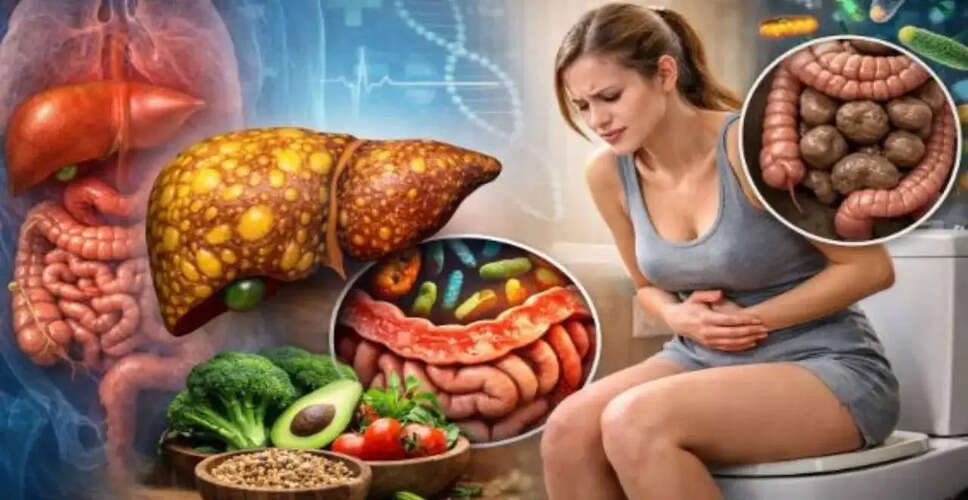
The increasing rates of fatty liver disease and constipation are raising alarms in public health, particularly among urban dwellers who lead sedentary lifestyles and have poor eating habits. Although these two conditions may seem unrelated, recent studies suggest a significant biological connection via the gut–liver axis, indicating they often occur together due to common metabolic risk factors. Dr. Aravind Badiger, Technical Director at BDR Pharmaceuticals, stated, “While constipation and fatty liver disease may seem disconnected, emerging research indicates they could be linked through metabolic pathways and gut health. Although constipation does not cause fatty liver disease, both can coexist due to shared risk factors and physiological mechanisms.”
Understanding Fatty Liver Disease
Understanding Fatty Liver Disease
Non-alcoholic fatty liver disease (NAFLD), increasingly referred to as metabolic dysfunction–associated steatotic liver disease (MASLD), is marked by excessive fat accumulation in the liver of individuals who consume little to no alcohol. This condition is closely associated with obesity, insulin resistance, type 2 diabetes, and dyslipidemia, often remaining asymptomatic in its early stages. If not addressed, it can progress to non-alcoholic steatohepatitis (NASH), fibrosis, cirrhosis, and even liver cancer. Alarmingly, diagnoses are now being made in younger individuals, including those in their 20s and 30s, largely due to lifestyle changes.
Causes of Constipation
What Causes Constipation?
Constipation is characterized by infrequent bowel movements, difficulty in stool passage, or a feeling of incomplete evacuation. Common causes include insufficient fiber intake, dehydration, lack of physical activity, and irregular bowel habits. Factors such as stress, medications, and underlying metabolic or gastrointestinal disorders may also play a role. Chronic constipation can disrupt gut bacteria balance, leading to gut dysbiosis, which is linked to broader metabolic health issues.
The Gut-Liver Axis: A Vital Connection
The Gut-Liver Axis: A Crucial Link
The gut–liver axis connects digestive health with liver function through portal circulation. Nutrients, toxins, and microbial products from the gut are transported directly to the liver. When gut health is compromised, due to dysbiosis or increased intestinal permeability, it can lead to low-grade inflammation and metabolic disturbances that contribute to fatty liver disease. While constipation does not directly cause fatty liver, prolonged intestinal transit time may increase exposure to harmful metabolites, indirectly impacting liver health. Dr. Badiger noted, “Changes in gut microbiota (dysbiosis) and intestinal permeability have been implicated in the development of fatty liver disease. Although constipation itself is not a direct cause, the longer intestinal transit time and increased contact with potentially harmful metabolites may affect microbial composition and induce low-grade inflammation.”
Common Risk Factors
Shared Risk Factors
Both fatty liver disease and constipation share similar lifestyle patterns:
Sedentary Lifestyle
High Intake of Processed and High-Fat Foods
Low Fiber Diet
Obesity and Insulin Resistance
These overlapping factors help explain why these conditions frequently occur together, especially among younger urban populations.
Increased Risk Among Young Indians
Why Young Indians Are at Higher Risk
In India, fatty liver is being diagnosed at younger ages due to a distinct metabolic profile. South Asians often develop insulin resistance and visceral fat at lower body weights. Coupled with rapid urbanization, decreased physical activity, poor sleep, and calorie-rich diets, this raises the risk of early-onset fatty liver, even in seemingly healthy individuals. Dr. Kandarp Saxena, a gastroenterologist at Manipal Hospital, explained, “Fatty liver in young individuals does not occur in isolation; it is driven by identifiable factors. Diets high in refined carbohydrates, sugary drinks, and processed foods promote fat synthesis in the liver, while prolonged inactivity hampers the body’s ability to utilize this excess energy, leading to fat accumulation in liver cells.”
Management and Prevention Strategies
Management and Prevention
The positive aspect is that both conditions can be largely prevented and reversed through lifestyle modifications:
- Increase fiber intake through fruits, vegetables, and whole grains
- Stay hydrated
- Engage in regular physical activity
- Maintain a healthy weight
- Follow consistent eating and sleep routines
Even a modest weight loss of 5 to 10 percent can significantly reduce liver fat and enhance metabolic health. Emerging treatments like probiotics and prebiotics may support gut health but should be used under medical supervision. Dr. Saxena emphasized, “There is no single medication that can reverse fatty liver as effectively as lifestyle changes. Clinical evidence consistently shows that sustained weight loss, regular exercise, and dietary adjustments can significantly reduce liver fat and, in some cases, reverse early damage. However, these interventions require consistency; short-term efforts yield no lasting benefits. Without sustained change, the underlying process continues.”
When to Seek Medical Attention
When to Seek Medical Help?
Persistent constipation, abdominal discomfort, blood in stool, or unexplained weight loss should not be overlooked. Likewise, individuals at risk for fatty liver should undergo liver function tests and imaging for early detection. While fatty liver disease and constipation are not directly linked, they are interconnected through shared lifestyle and metabolic pathways. As modern habits continue to affect health, understanding the gut–liver connection is essential. Early intervention, awareness, and consistent lifestyle changes can help prevent long-term complications and safeguard overall well-being.