
Exploring the Benefits of Hot Water Foot Soaks for Health

The Wellness Trend of Hot Water Foot Soaks
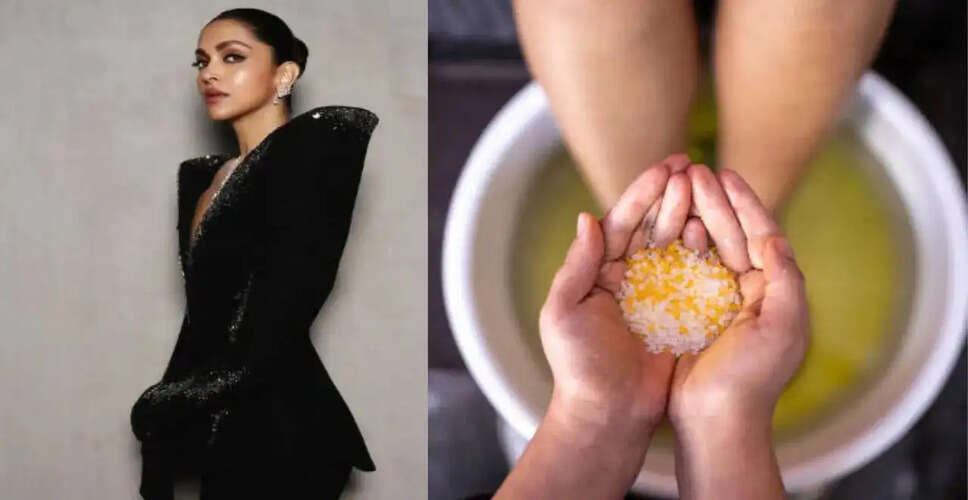
A recent wellness trend introduced by Shweta Shah, who previously worked as Deepika Padukone’s nutritionist, has ignited discussions online. She suggests that soaking feet in hot water for 15 to 20 minutes could potentially lower stroke risk, particularly for individuals aged 50 and above. This straightforward practice, inspired by Japanese traditions, often includes warm water and sometimes Epsom salt, and is gaining attention on social media for its purported benefits in enhancing blood circulation, alleviating stress, and improving sleep quality. However, medical professionals caution that while this ritual may aid relaxation and cardiovascular health, it should not be considered a foolproof method for stroke prevention.
Understanding the Japanese Foot Soak Ritual
In her Instagram post, Shah explained that this practice helps by widening blood vessels, enhancing circulation, soothing the nervous system, and alleviating stress. She also mentioned that incorporating Epsom salt could further enhance relaxation and sleep. The trend's appeal lies in its simplicity and its roots in Japanese wellness practices, which emphasize relaxation, circulation, and preventive health measures. Health experts note that warm foot soaks can temporarily boost blood flow by causing blood vessels to expand, while the warmth may also relax muscles, reduce tension, and create a calming effect.
Can Foot Soaks Prevent Strokes?
Medical professionals advise caution regarding the viral claims surrounding foot soaks. A stroke, a critical medical condition, occurs when blood flow to the brain is disrupted, typically due to a clot or bleeding. Currently, there is no scientific backing that hot water foot soaks can directly prevent strokes. Nevertheless, some experts recognize that managing stress, enhancing circulation, improving sleep, and promoting relaxation may indirectly benefit overall heart and brain health. Key risk factors for stroke include high stress, inadequate sleep, uncontrolled blood pressure, diabetes, obesity, smoking, and lack of physical activity. Experts suggest that relaxation practices can help lower stress hormones and improve blood pressure regulation over time. Warm foot soaks may also offer temporary relief for individuals dealing with poor circulation, fatigue, or stress-related discomfort.
The Importance of Managing Stress and Circulation
Chronic stress is increasingly acknowledged as a significant factor contributing to cardiovascular diseases and stroke risk. Prolonged stress can elevate inflammation, blood pressure, and lead to unhealthy lifestyle choices such as poor sleep, overeating, and inactivity. Techniques for relaxation, including meditation, yoga, deep breathing, warm baths, and foot soaks, can help soothe the nervous system and enhance sleep quality, both of which are crucial for cardiovascular health. While Epsom salt foot soaks are often linked to muscle relaxation and stress relief, substantial medical benefits are still not well-supported by evidence.
Effective Stroke Prevention Strategies
Healthcare professionals stress that established stroke prevention methods are far more critical than trending wellness practices. These strategies include:
- Maintaining healthy blood pressure
- Controlling diabetes and cholesterol levels
- Engaging in regular physical activity
- Following a balanced diet
- Avoiding smoking and excessive alcohol consumption
- Keeping a healthy body weight
- Ensuring adequate sleep
- Managing chronic stress
Should You Try Hot Water Foot Soaks?
For most healthy individuals, soaking feet in warm water for 15 to 20 minutes is generally safe and may promote relaxation and better sleep. However, caution is advised for those with diabetes, nerve damage, poor sensation, or circulation issues, as excessively hot water could lead to burns or skin injuries. Experts indicate that while viral wellness tips can sometimes encourage healthy habits, effective stroke prevention relies on long-term lifestyle choices and appropriate medical care rather than a single 'miracle' practice.