
Exploring Erectile Dysfunction: Insights from Mojtaba Khamenei's Health Journey
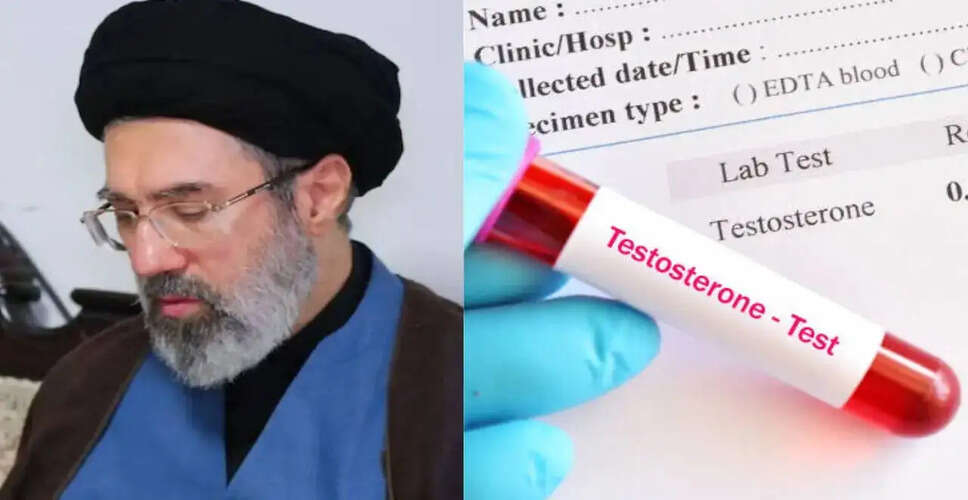
Mojtaba Khamenei's Health Challenges
The newly appointed Supreme Leader of Iran, Mojtaba Khamenei, reportedly faced significant challenges related to erectile dysfunction, which delayed his marriage and necessitated multiple medical consultations in the UK before he could have a child. This personal detail about Khamenei, son of the late Ayatollah Ali Khamenei, was revealed through diplomatic cables made public by WikiLeaks, as noted by a media outlet. The report indicates that Khamenei underwent four medical visits, including a two-month stay, ultimately resulting in the birth of a son named 'Ali' in honor of his grandfather. According to a 2008 cable, Khamenei married in 2004 and traveled to London several times for treatment at Wellington and Cromwell hospitals. The document states that despite family expectations for him to have children quickly, he required a fourth visit to address his medical issues. Although these claims stem from leaked documents without official verification, they have ignited discussions about male reproductive health and the stigma associated with erectile dysfunction.
Understanding Erectile Dysfunction
Why is erectile dysfunction more common than thought?
The revelations from WikiLeaks have shed light on a widespread medical concern: Erectile Dysfunction (ED). This condition affects millions of men globally, with studies suggesting that over 150 million men experience some form of ED, and its prevalence tends to rise with age. Common causes of ED include:
- Cardiovascular diseases
- Diabetes
- Hormonal imbalances
- Psychological stress
- Obesity
- Smoking and alcohol consumption
Healthcare professionals indicate that ED can often serve as an early indicator of more serious health issues, particularly heart disease or metabolic disorders.
Recognizing the Signs of Erectile Dysfunction
Signs and symptoms of erectile dysfunction
Common indicators of erectile dysfunction include:
- Occasional difficulty achieving an erection before sexual activity.
- Ability to achieve an erection but struggling to maintain it during intercourse.
- Complete inability to achieve an erection.
- Needing significant stimulation to maintain an erection.
Treatment Options for Erectile Dysfunction
Modern treatments for erectile dysfunction
Currently, erectile dysfunction is regarded as highly treatable in most cases. Treatment options may vary based on the underlying causes and can include:
Oral medications
Medications such as Sildenafil and Tadalafil enhance blood flow to the penis.
Lifestyle changes
For long-term management and prevention of ED, healthcare providers often recommend lifestyle modifications, which may involve:
Weight management
Regular physical activity
Reducing alcohol intake
Quitting smoking
Psychological therapy
Addressing stress, anxiety, and relationship issues through counseling can also be beneficial.
Advanced medical treatments
In more severe cases, healthcare professionals might suggest hormone therapy, injections, vacuum devices, or surgical interventions.
Breaking the Stigma
Breaking the stigma around male health
Experts stress that erectile dysfunction should not be considered a taboo subject. It is frequently a treatable medical condition that can indicate deeper health concerns. Regardless of the accuracy of the claims regarding Mojtaba Khamenei, this discussion underscores a vital public health message: seeking medical assistance for sexual health issues is both common and responsible. Early detection and treatment can enhance quality of life and may also help uncover serious underlying health conditions.