
Europe Faces Severe Heatwave: Health Risks and Safety Tips

Europe's Record-Breaking Heatwave
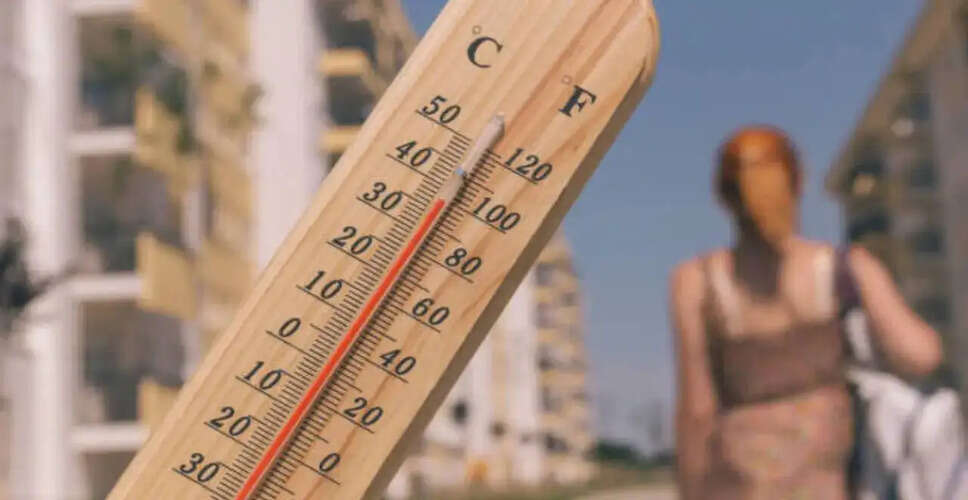
Europe is currently experiencing one of the most perilous early summer heatwaves in its history, with the World Health Organization (WHO) attributing over 1,300 additional fatalities to the extreme temperatures that have surged since June 21. As nations grapple with this unprecedented heat, Germany has reported a staggering high of 41.7°C, underscoring the escalating health threats posed by climate change. WHO Director-General Tedros Adhanom Ghebreyesus emphasized that heat stress acts as a "silent killer," particularly impacting older adults, children, individuals with chronic health issues, and those working outdoors. He cautioned that Europe is warming at nearly double the global average, making it the fastest-warming continent on the planet.
Understanding the Dangers of Extreme Heat
Why is extreme heat so dangerous?
Unlike other natural disasters such as storms or floods, heatwaves can silently lead to fatalities. Extended exposure to high temperatures can overwhelm the body's cooling systems, resulting in dehydration, heat exhaustion, and in severe cases, heatstroke—a critical condition that can harm vital organs like the brain, heart, and kidneys. Additionally, heat can exacerbate pre-existing health issues, including heart disease, diabetes, and respiratory conditions. The elderly are particularly at risk due to their reduced ability to regulate body temperature. French health officials have reported approximately 1,000 excess deaths linked to the current heatwave, with a notable increase in fatalities occurring at home among those aged 65 and older.
Unprecedented Temperatures Across Europe
Record temperatures across Europe
This heatwave has broken temperature records in multiple countries. Germany recorded a historic 41.7°C in eastern Brandenburg, while the Czech Republic saw temperatures soar to 41.1°C. Poland also marked its hottest day ever at 40.5°C. Meteorologists attribute these extreme conditions to a powerful heat dome, a weather phenomenon where high-pressure air traps heat close to the Earth's surface, resulting in clear skies and prolonged periods of extreme heat. Experts indicate that climate change is increasing the frequency, duration, and intensity of such extreme weather events.
Urgent Health Warnings Issued
Health authorities issue urgent warnings
In response to the heatwave, governments across Europe have implemented emergency measures to safeguard public health. Numerous outdoor events have been canceled, schools have closed in certain areas, and officials are advising residents to remain indoors during peak heat hours. The WHO is urging nations to enhance their heat health action plans, improve early warning systems, and protect vulnerable groups as extreme heat becomes more prevalent.
Safety Tips for Heatwaves
How to stay safe during a heatwave
Health professionals recommend several precautions to stay safe during extreme heat:
- Stay hydrated by drinking plenty of water, even if you don't feel thirsty.
- Avoid outdoor activities during the hottest parts of the day.
- Wear lightweight, loose-fitting clothing.
- Seek air-conditioned or well-ventilated spaces whenever possible.
- Regularly check on elderly family members, neighbors, and those living alone.
- Never leave children or pets in parked vehicles.