
Essential Tips to Stay Safe During the Heatwave in India
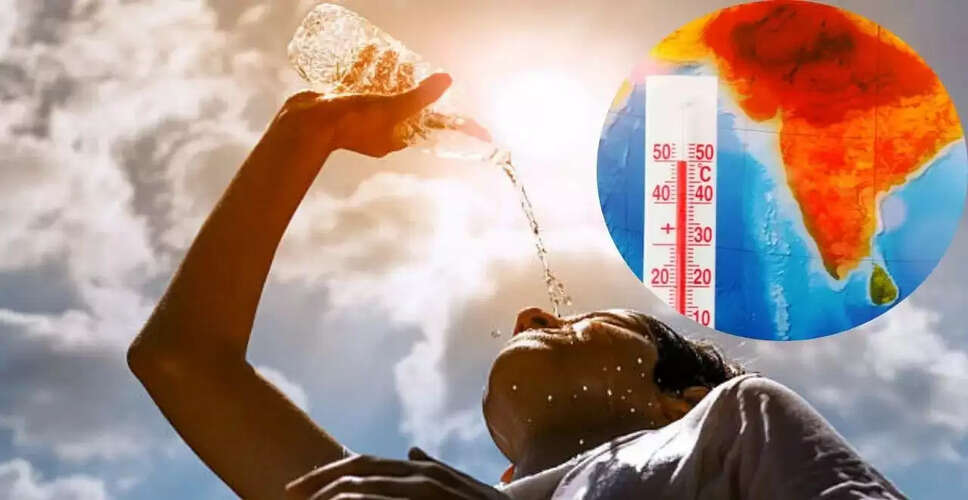

Heatwave Alert Issued Across India
With temperatures rising sharply in various regions of India, the meteorological department has issued a heatwave alert, advising individuals to refrain from outdoor activities between 11 AM and 4 PM, the hottest hours of the day. Extended exposure to extreme heat during this timeframe can elevate the risk of heat-related illnesses such as heatstroke and dehydration. Cities in central India, including Jhansi, Patna, and Begusarai, are experiencing temperatures exceeding 42 degrees Celsius, with some areas reaching up to 44 degrees Celsius.
Understanding the Risks of Midday Heat
Why is 11 AM to 4 PM the Most Dangerous Time Outdoors?
Medical professionals highlight that during midday, the sun's intensity peaks, resulting in increased temperatures, ultraviolet (UV) radiation, and heat index levels. This combination can severely strain the body's ability to cool itself. When the body fails to regulate its temperature, it can lead to heatstroke, a serious medical condition characterized by a body temperature exceeding 40°C. If not treated promptly, heatstroke can inflict damage on vital organs such as the brain, heart, kidneys, and muscles. Additionally, high temperatures can cause excessive sweating, leading to fluid loss, severe dehydration, and muscle cramps.
Health Risks Associated with Heatwaves
Heatwave Risks You Must Know
Heatwaves in India pose more than just discomfort; they can lead to significant health complications. Vulnerable groups include children, the elderly, outdoor workers, and individuals with pre-existing health conditions. Common risks include:
- Dehydration due to excessive sweating
- Heat exhaustion, resulting in fatigue, dizziness, and nausea
- Muscle cramps and weakness
- Exacerbation of chronic illnesses like heart disease and diabetes
Safety Measures During a Heatwave
How to Stay Safe During a Heatwave?
Implementing safety measures can significantly lower your risk during a heatwave:
Limit Outdoor Exposure
- Avoid outdoor activities between 11 AM and 4 PM.
- Plan errands for early morning or late evening.
Stay Hydrated
- Consume at least 2 to 3 liters of water daily, even if you don't feel thirsty.
- Incorporate ORS, coconut water, and fresh juices into your diet.
- Steer clear of alcohol, caffeine, and sugary beverages.
Dress Appropriately
- Opt for loose, light-colored cotton clothing.
- Wear hats, sunglasses, or carry umbrellas when outside.
Maintain a Cool Indoor Environment
- Stay in well-ventilated or air-conditioned areas.
- Use curtains or blinds to block direct sunlight.
Choose Light Meals
- Focus on water-rich foods like watermelon, cucumber, and yogurt.
- Avoid heavy, oily meals that can raise body temperature.
Recognizing Heat-Related Illness Symptoms
Recognize Early Warning Signs
Being aware of the symptoms of heat-related illnesses can be lifesaving. Look for signs such as high body temperature, rapid heartbeat, headaches, confusion, dry skin, or excessive sweating. If someone exhibits signs of heatstroke, seek medical assistance immediately and attempt to cool their body with wet clothing or by moving them to a shaded area. Prompt medical attention is crucial, so transport them to a hospital without delay.
The Increasing Frequency of Heatwaves
Why Are Heatwaves Increasing?
The rise in global temperatures attributed to climate change is causing heatwaves to become more frequent, intense, and prolonged. Urban areas are particularly affected due to the heat island effect, where concrete structures retain heat. This heatwave alert serves not only as a precaution but as a vital public health warning. By avoiding outdoor exposure during peak hours, staying hydrated, and recognizing early symptoms, serious health complications can be prevented. Stay indoors, keep cool, and prioritize safety—because in extreme heat, prevention is key to survival.