
Essential Sun Safety Tips for Skin Cancer Awareness Month

The Importance of Sun Protection
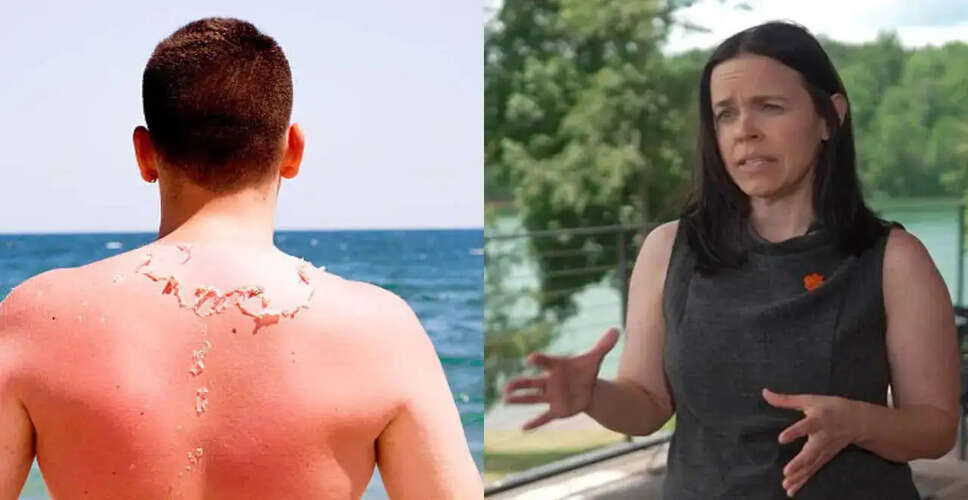
With rising temperatures and an increase in outdoor activities, health professionals are emphasizing the need for enhanced sun protection during Skin Cancer Awareness Month. Katymay Malone, a clinical assistant professor at Clemson University, highlights that exposure to harmful ultraviolet (UV) radiation can accumulate over a lifetime, significantly heightening the risk of skin cancer, premature aging, and lasting skin damage. Malone, who focuses on public health education and preventive health practices, points out that many individuals underestimate the onset of UV damage. “Sun exposure accumulates throughout your life, starting from the very first exposure,” she noted, emphasizing that even infants begin to accumulate UV damage as soon as they are exposed to sunlight.
Understanding the Risks of UV Exposure
Why UV Exposure Matters
Ultraviolet radiation from the sun consists of both UV-A and UV-B rays, both of which can harm the skin. Malone explains that repeated sunburns and chronic UV exposure can damage skin cells and DNA over time, increasing the risk of serious cancers like melanoma and non-melanoma skin cancers. “Extended exposure to high UV rays, particularly beyond the 20-to-30 minute mark that most individuals require, can lead to wrinkling, skin discoloration, and a heightened risk of both non-melanoma and melanoma skin cancers,” she stated.
Peak UV Hours: A Time for Caution
Peak UV Hours Can Be Risky
Malone advises that individuals should exercise extra caution during peak UV hours. While many guidelines suggest avoiding direct sunlight between 10 a.m. and 3 p.m., she recommends being cautious from 9 a.m. to 4 p.m., as UV radiation levels are often at their highest during these times. “The advice is to steer clear of midday sun. I typically observe that the risk extends from around 10 a.m. to 3 p.m., but I would actually extend that to 9 a.m. to 4 p.m., regardless of your time zone, due to the increased rays during mid-morning and late afternoon,” she explained. Weather apps and meteorological services often provide a daily UV index, which can assist individuals in planning safer outdoor activities.
The Significance of Limited Sun Exposure
Why Do Just 20 to 30 Minutes Matter?
Moderate sun exposure can aid the body in producing vitamin D, but excessive exposure without protection can quickly become detrimental. Malone cautions that spending too much time under intense UV rays beyond the brief exposure most people need daily can lead to increased wrinkling, skin aging, pigmentation changes, and a long-term risk of skin cancer. “Higher UV levels elevate our risk for skin cancer, sunburn, and potential peeling,” she noted. The danger is often not immediately visible, as UV damage accumulates gradually over the years.
Effective Skin Protection Strategies
How to Protect Your Skin
Malone suggests several straightforward yet effective sun safety strategies:
- Use broad-spectrum sunscreen with an SPF of 30 or higher
- Reapply sunscreen every two hours when outdoors
- Wear hats, sunglasses, and protective clothing
- Seek shade during peak sunlight hours
- Avoid tanning beds
- Stay hydrated when exposed to heat
Skin Cancer Awareness
Skin Cancer is One of the Most Common Cancers
Health professionals indicate that skin cancer remains one of the most prevalent cancers worldwide, yet many cases can be prevented through consistent sun protection practices. Experts also encourage individuals to monitor their skin for warning signs such as:
- New or changing moles
- Unusual spots
- Persistent sores
- Bleeding or itchy skin lesions
- Early detection can significantly enhance treatment outcomes.