
Essential Strategies for Effective Fat Loss and Nutrition

Understanding Your Nutritional Needs
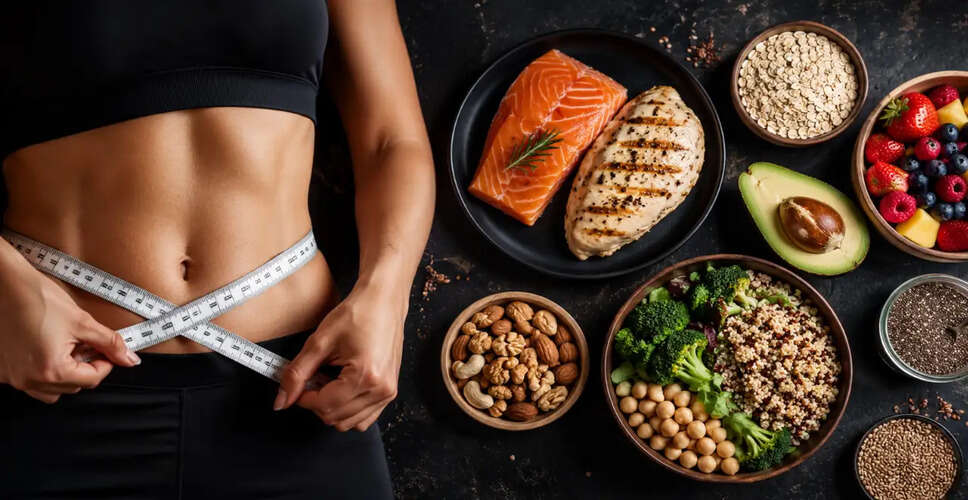
Even if you are maintaining a strict diet and eating healthily, it may not provide the energy required for your body's activity levels. On the other hand, you might feel energized with a 'normal' diet but notice minimal changes in your physique. The reality is that our bodies and lifestyles have evolved beyond simple walking and basic meals to achieve the desired transformations. Achieving fat loss while ensuring your body remains healthy and energized is a complex process that involves specific calculations. Fitness expert Priyansh Rathore breaks down the necessary steps.
Calculating Your Caloric Needs
Plan Your Meals Wisely
When it comes to meal prepping for fat loss, the first question is often about the appropriate calorie intake. Your current weight provides the answer: multiply your weight by 24 to find your ideal calorie count. For protein, which is crucial for fat loss and muscle retention, take your target weight and multiply it by 1.9 to determine your daily protein requirement in grams. Don't overlook healthy fats; to maintain hormonal balance, multiply your weight by 0.7 for your daily fat intake in grams. Additionally, fiber is vital for gut health; calculate your fiber needs by dividing your total calories by 1000 and multiplying by 14. Lastly, for carbohydrates, multiply your protein intake by 4, your fat intake by 9, and subtract these from your total calories before dividing by 4 to find your carb intake in grams.
Hydration is Key
Don't Neglect Hydration
Water intake is another crucial factor, and the calculation is straightforward. The more you weigh, the more water you should consume. For instance, someone weighing 40 kilograms should aim for at least 7 glasses of water daily. This increases to 9 glasses for 50 kilograms, 12 glasses for 60 kilograms, 14 glasses for 70 kilograms, 17 glasses for 80 kilograms, 20 glasses for 90 kilograms, and 22 glasses for 100 kilograms.