
Essential Steps to Take During a Cardiac Arrest: Insights from a Survivor

A Dentist's Life-Saving Experience
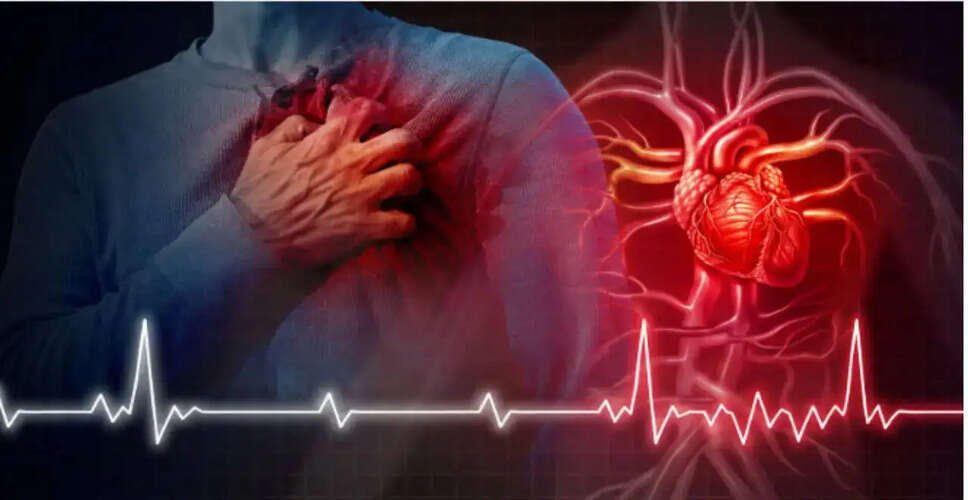
In a widely shared social media video, Dr. Naman Vora, a dentist from Mumbai, recounted the three critical factors that he believes contributed to his survival after experiencing a cardiac arrest. His story underscores the significance of quick recognition, prompt medical assistance, and preventive heart health measures. "Just two days ago, I suffered a severe heart attack, and now, within 48 hours, I am back home and recovering," he shared in his Instagram post. Cardiac arrest can occur unexpectedly, even in individuals who appear healthy. Unlike a heart attack, cardiac arrest leads to an abrupt cessation of heart function, halting blood flow to the brain and other essential organs. Without immediate intervention, it can be fatal within minutes.
Three Crucial Actions to Take During Cardiac Arrest
Dr. Vora emphasizes several immediate steps to consider if you start feeling unwell, which could indicate a heart attack.Identify the Symptoms
Staying composed and seeking urgent medical help is vital if you notice any symptoms. For Dr. Vora, the initial signs included discomfort in his left jaw and shoulder, but these can differ among individuals. "My symptoms began with pain in my left jaw and shoulder. Others might experience excessive sweating, sudden fatigue, or unexpected shortness of breath. It's essential to be vigilant about these signs," he advised. Symptoms such as heavy sweating, unexplained tiredness, sudden breathlessness, or chest pain should never be overlooked, regardless of how mild they may seem. Quick recognition and action can greatly enhance survival chances and minimize the risk of severe complications or cardiac arrest.Chew Aspirin
Dr. Vora recounted that he immediately chewed an aspirin upon suspecting a heart attack, believing it was crucial for his survival. "I chewed Disprin; it’s a lifesaving medication during heart attacks. Even if you’re uncertain, taking the tablet is harmless," he stated. He advises keeping aspirin in an easily accessible location at home for family members to find quickly in emergencies. However, aspirin is not suitable for everyone and should only be taken if a heart attack is suspected, with no allergies or medical reasons to avoid it. Most importantly, contacting emergency medical services is essential, as aspirin cannot replace urgent medical care.Seek Timely Advanced Medical Care
After the heart resumes beating, patients still need specialized hospital treatment to prevent brain damage and address the underlying causes. Medical professionals may perform emergency angioplasty, implant devices like pacemakers or defibrillators, prescribe medications, or identify hidden heart issues that led to the cardiac arrest. Quick transport to a facility equipped for cardiac emergencies significantly boosts long-term survival rates.Who Faces Higher Risks?
Cardiac arrest can impact anyone, but certain individuals are at greater risk, including those with:- Coronary artery disease
- History of heart attacks
- Heart failure
- Cardiomyopathy
- Irregular heart rhythms (arrhythmias)
- High blood pressure
- Diabetes
- Elevated cholesterol levels
- Smoking or excessive alcohol consumption
- Family history of sudden cardiac death
Warning Signs Not to Ignore
Some individuals may notice symptoms prior to a cardiac arrest, such as:- Chest pain or pressure
- Difficulty breathing
- Sudden dizziness
- Heart palpitations
- Extreme fatigue
- Fainting or unexplained loss of consciousness