
Essential Lifestyle Changes to Protect Kidney Health in Young Adults
Understanding Kidney Disease in Younger Populations
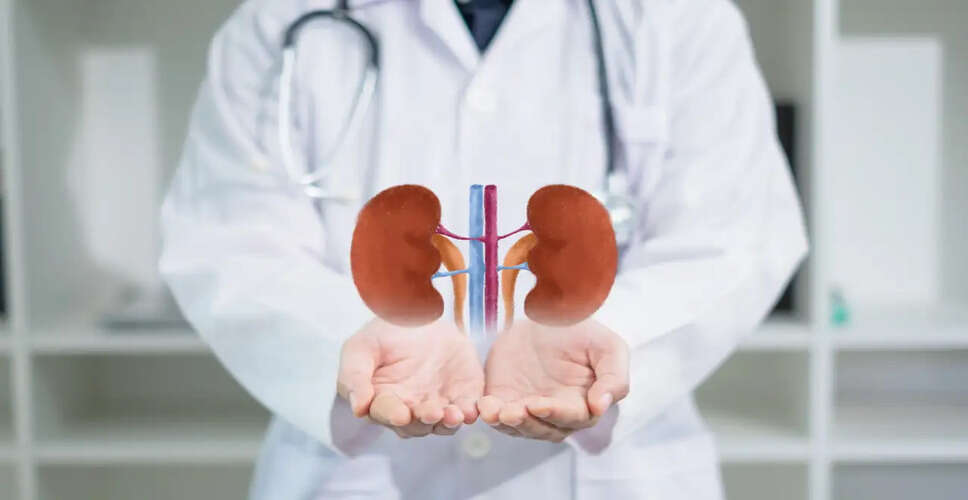
Kidney disease is increasingly affecting younger individuals, particularly men, rather than being confined to older adults. This alarming trend is often linked to contemporary lifestyle choices that gradually put stress on kidney function. Dr. Saurabh Pokhariyal emphasizes that while kidney issues have typically been associated with older individuals or those with chronic conditions like diabetes and hypertension, there is a noticeable rise in diagnoses among seemingly healthy young men.
Fortunately, many of the risk factors for kidney disease can be mitigated. Here are six lifestyle modifications that can greatly lower the risk of developing kidney problems.
1. Rethink Your Diet
1. Rethink Your Diet
Your dietary choices significantly impact kidney health. Consuming a lot of processed foods, fast food, and high-protein diets can overload the kidneys. Dr. Pokhariyal points out that many young adults depend on fast food and packaged snacks, and excessive protein intake, especially from supplements or protein powders without medical advice, can further strain kidney function. A balanced diet that includes plenty of fruits, vegetables, whole grains, and moderate protein is essential for maintaining kidney health. Additionally, cutting down on salt is vital, as high sodium levels can elevate blood pressure, a major contributor to kidney damage.
2. Be Cautious with Supplements
2. Be Careful With Supplements
The popularity of protein powders and performance enhancers in fitness culture can lead to unsafe practices. Dr. Pokhariyal cautions that some supplements, particularly those taken without professional guidance, may contain harmful substances that can adversely affect kidney health when used excessively. It is crucial to consult a healthcare provider before incorporating any supplements into your regimen, as what is beneficial for one person may not be safe for another.
3. Limit Painkiller Use
3. Limit Overuse of Painkillers
Many people casually use over-the-counter pain medications, but frequent consumption can harm kidney tissues over time. The kidneys are responsible for filtering toxins from the bloodstream, and prolonged exposure to certain medications can hinder this function. It is advisable to use medications only when necessary and under the guidance of a healthcare professional.
4. Stay Hydrated Wisely
4. Stay Hydrated But Smartly
Proper hydration is essential for the kidneys to effectively eliminate waste. However, both dehydration and excessive hydration can be detrimental. Aim for a steady intake of water throughout the day instead of consuming large amounts at once. Hydration needs can differ based on factors like climate, physical activity, and overall health.
5. Don’t Overlook Silent Conditions
5. Don’t Ignore Silent Conditions
Kidney disease can develop silently, with conditions like hypertension and diabetes often showing no early symptoms but gradually causing kidney damage. Dr. Pokhariyal warns that silent conditions such as early-stage hypertension, diabetes, or genetic kidney disorders may go unnoticed for years. Regular health screenings, even when feeling well, can help identify potential issues early and prevent long-term damage.
6. Manage Stress and Stay Active
6. Manage Stress and Stay Active
Modern lifestyles frequently involve long working hours, inadequate sleep, and minimal physical activity, all of which can lead to metabolic issues. Dr. Pokhariyal notes that stress and a lack of physical activity can contribute to metabolic problems that indirectly affect kidney health. Engaging in regular exercise, maintaining a consistent sleep schedule, and effectively managing stress can significantly benefit not only kidney health but overall well-being.
Maintaining kidney health is closely linked to daily choices. By making small, consistent lifestyle adjustments, individuals can prevent serious health complications in the future. With increased awareness and proactive measures, the rising incidence of kidney disease among young adults can be addressed before it becomes a chronic concern.
Expert Inputs By Dr. Saurabh Pokhariyal Principal Director & Unit Head, Nephrology & Renal Transplant Medicine Max Super Speciality Hospital, Dwarka