
Essential Health Tips for Safe Swimming This Summer

The Allure of Swimming in Summer
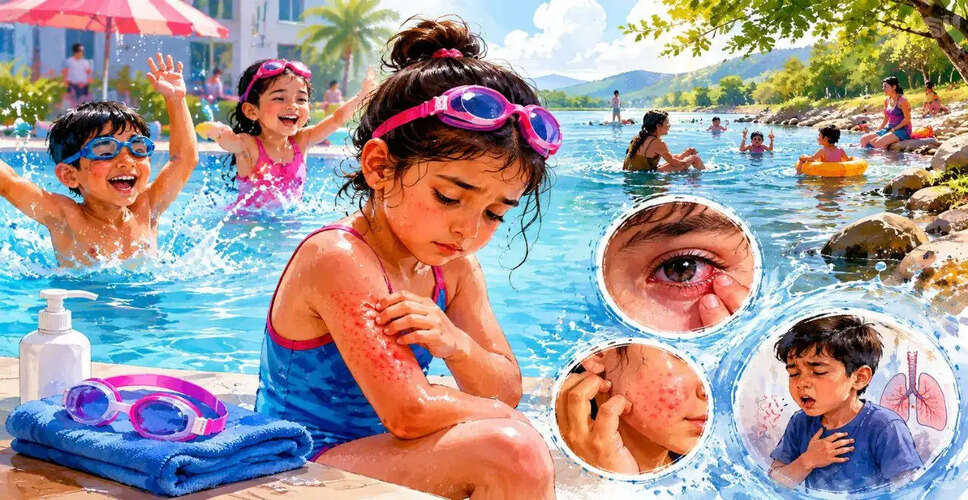
As temperatures soar, few activities are as refreshing as a swim. With heatwave warnings becoming commonplace, many people flock to water bodies for relief. While some prefer beach outings, others find solace in rivers, lakes, or water parks. For families, swimming often becomes the go-to summer activity, providing a fun way to cool off and keep children engaged. However, many may not be aware that even a simple swim can lead to unexpected health issues, including skin irritations, respiratory problems, and eye infections. To shed light on these concerns, we consulted with pediatricians and dermatologists.
Avoid Freshwater Swimming: Expert Warnings
Before diving into lakes or rivers this summer, heed the advice of leading medical professionals. Dr. Deepak Krishnamurthy, a prominent cardiologist in India, strongly recommends avoiding freshwater bodies for swimming. He suggests, "For your safety, opt for treated water in your own bathroom or swim in chlorinated pools instead of freshwater." The Directorate of Health Services has also raised alarms about swimming in stagnant water sources, which can pose serious health risks. One major concern is the presence of Naegleria fowleri, known as the 'brain-eating amoeba,' which thrives in warm, stagnant freshwater, especially during hot months. This organism can enter the body through the nose when swimming or diving.
Children: A Higher Risk Group
Many parents believe that well-chlorinated pools are safe for their children, but the reality is more complex. Dr. Tushar Parikh, a Senior Consultant Neonatologist and Pediatrician, explains that children are particularly susceptible to chlorine exposure due to their larger body surface area relative to their weight and their prolonged time spent in water. Their vigorous play increases their breathing rate, leading to greater inhalation of air compared to adults. Additionally, children have smaller airways and underdeveloped lungs, making them more vulnerable to chlorine's harmful effects.
Dr. J.K. Reddy, a Senior Consultant Pediatrician, adds that young children's respiratory systems and immune responses are still developing. Asthmatic or allergic children may experience heightened respiratory issues in chlorinated pools. Another concern is chloramines, which form when chlorine interacts with organic materials like sweat and urine, often causing more irritation than chlorine itself. Dr. Parikh notes that these compounds linger above the water's surface, exposing active children to greater irritation.
Impact of Chlorine on Skin and Hair
Both adults and children can suffer from skin damage due to regular exposure to pool water. Dr. Pushpa Gnanaraj, a Senior Consultant Dermatologist, explains that chlorine, an oxidizing agent, gradually dissolves the skin's protective fats, leading to a compromised barrier. This barrier is crucial for retaining moisture and keeping irritants at bay. With frequent swimming, the skin struggles to maintain its natural balance, resulting in dryness and increased susceptibility to infections.
For individuals with conditions like eczema or psoriasis, chlorinated water can exacerbate symptoms. Dr. Shareefa Chause, a Dermatologist, advises those affected to moisturize thoroughly before and after swimming. Hair health is also at risk, as chlorine can damage the hair's cuticle, making it more prone to breakage and tangling. Regular swimmers, especially those who color their hair, may notice accelerated damage.
Practical Tips for Swimmers
Adopting a few simple habits can significantly mitigate the health risks associated with swimming.
Before Swimming: Taking a quick shower helps remove organic matter from the skin, reducing the formation of irritating chloramines. Applying moisturizer beforehand can also protect the skin barrier. For children, wearing goggles and swim caps is essential.
After Swimming: Showering after swimming is crucial for washing away chlorine and other chemicals. Dr. Parikh emphasizes that this practice can help prevent skin irritation and infections. When selecting moisturizers, Dr. Chause recommends those containing ceramides, hyaluronic acid, and glycerin to restore hydration. While 'chlorine-proof' sprays can offer some protection, they do not eliminate the need for proper rinsing and moisturizing.
Parents should also ensure their children's vaccinations are current, particularly against Hepatitis A and Typhoid, as contaminated water can lead to serious illnesses. The WHO highlights the risks associated with recreational water exposure, particularly concerning Typhoid and Hepatitis caused by bacteria and viruses.
In conclusion, Dr. Reddy emphasizes that swimming is a fantastic way to stay fit and healthy, but safety should never be compromised. Choosing safe swimming environments and adhering to guidelines is essential for a worry-free experience.