
Essential Health Tips After Mumbai's Floods: Protect Yourself from Infections

Health Precautions Post-Flooding in Mumbai
During the monsoon season, heavy rains in Mumbai can lead to flooded streets, compelling many commuters to navigate through deep water. While reaching home safely is a relief, health professionals emphasize that the risk is not over. Floodwater is often contaminated with sewage, industrial waste, sharp objects, and harmful microorganisms, which can heighten the risk of severe infections. Dr. Murtaza S. Bagwala, who leads Emergency Medical Services at Saifee Hospital, suggests that taking a few simple actions upon returning home can greatly lower the chances of developing skin infections, leptospirosis, and other waterborne diseases.
Thoroughly Wash Up - More Than Just a Rinse
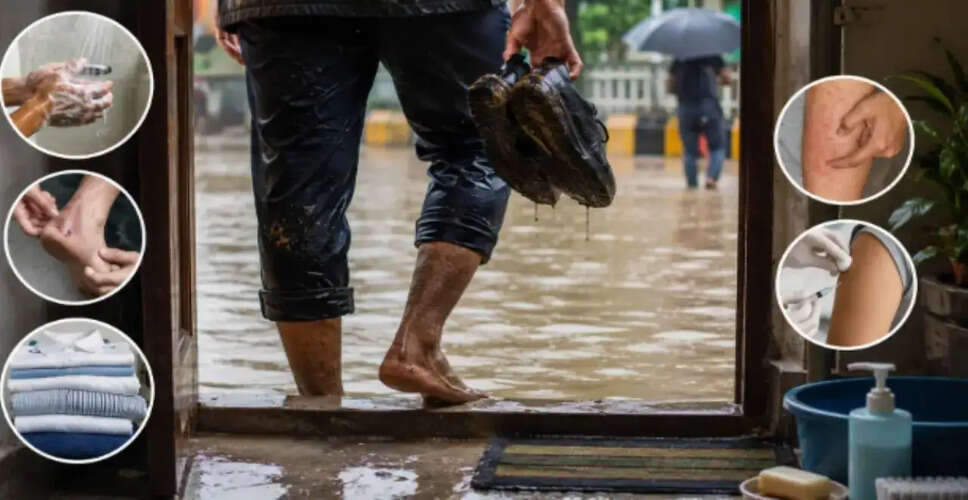
Upon arriving home, it is crucial to shower with soap and clean water. Merely rinsing off your feet is insufficient, as harmful germs can linger on your skin. Dr. Bagwala advises paying close attention to your feet, legs, hands, and any exposed skin. If you have any cuts or scrapes, wash them gently without vigorous scrubbing, as damaged skin can allow bacteria to enter the body.
Inspect Your Feet and Legs for Hidden Injuries
Floodwaters can conceal sharp objects like broken glass and rusty nails, which may lead to unnoticed cuts or puncture wounds. It’s important to carefully check your feet, including between your toes, as well as your ankles and legs for any signs of injury such as swelling, redness, or blisters. If you find even a minor wound, clean it with clean water, apply antiseptic, and cover it with a sterile bandage.
Change Out of Wet Clothes Immediately
Wearing wet clothes, socks, and shoes can create an ideal breeding ground for bacteria and fungi. It is advisable to remove damp clothing right away and switch to clean, dry attire. Ensure that your footwear is thoroughly washed and dried before wearing it again. Dr. Bagwala warns that prolonged exposure to wet clothing can lead to fungal infections, skin rashes, and athlete's foot, particularly during the humid monsoon season.
Monitor for Symptoms in the Following Days
Not all illnesses related to flooding manifest immediately. Some infections may develop days after exposure. Seek medical help if you notice:
- Increasing pain or redness around a wound
- Pus or foul-smelling discharge
- Fever
- Vomiting
- Diarrhea
- Severe muscle pain
- Yellowing of the eyes or skin
These symptoms could indicate infections like leptospirosis, which is often linked to floodwater and requires immediate medical attention.
Check Your Tetanus Vaccination Status
If you have sustained a cut or puncture while walking through floodwater, verify your tetanus vaccination status. Dr. Bagwala recommends that individuals who haven’t received a tetanus booster within the advised timeframe should seek medical assistance promptly. A tetanus vaccine can prevent serious infections caused by bacteria entering through contaminated wounds.
Extra Caution for Diabetics
Dr. Bagwala emphasizes that even minor cuts can pose significant risks for individuals with diabetes, poor circulation, or weakened immune systems. Since wound healing is slower in these individuals, untreated infections can escalate quickly. Early detection and treatment are crucial to prevent minor injuries from becoming serious health emergencies.
While navigating through floodwaters during Mumbai's rains may be unavoidable, neglecting basic hygiene afterward can jeopardize your health. Taking a thorough shower, inspecting wounds, changing into dry clothes, watching for warning signs, and ensuring your tetanus vaccination is current are simple yet effective measures to help prevent serious infections.