
Essential Health Precautions Following Heavy Rainfall in Delhi-NCR

Impact of Recent Heavy Rainfall
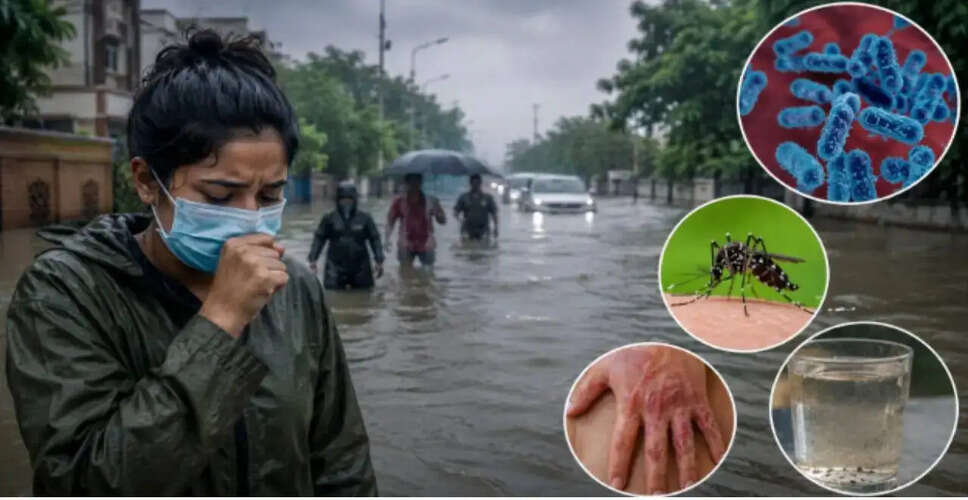
With the meteorological department issuing a red alert for Delhi and the National Capital Region (NCR), numerous areas are experiencing waterlogging, traffic issues, and localized flooding. While efforts are concentrated on rescue operations and restoring normalcy, health experts emphasize that the initial 72 hours post-flooding are critical for preventing disease outbreaks and injuries. The combination of heavy rainfall and floodwaters creates a breeding ground for bacteria, viruses, parasites, and mosquitoes. Even after the rain subsides, contaminated water can persist in homes, streets, parks, and neighborhoods, heightening the risk of serious infections. Medical professionals advise residents to be particularly vigilant regarding hygiene, drinking water safety, and mosquito control.
Understanding the Risks in the First 72 Hours
Why are the first 72 hours after flooding dangerous?
Floodwater is not merely rainwater; it often combines with sewage, overflowing drains, waste, and animal excretions, exposing individuals to harmful pathogens. Walking through flooded areas, consuming tainted water, or touching contaminated surfaces can significantly increase the risk of various illnesses. Health professionals point out that symptoms of infections may not manifest immediately. Many waterborne and bacterial diseases can develop within 24 to 72 hours after exposure, making early preventive measures crucial. Dr. Niranjan Patil, Associate Vice President of Metropolis Healthcare Limited, notes, “Patients with these infections often show a range of nonspecific symptoms such as fever, headaches, body aches, fatigue, nausea, and loss of appetite. While there is considerable overlap in symptoms, distinctions exist regarding the infectious agents involved and their treatment.”
Health Risks Associated with Heavy Rain
Major health risks during heavy rains
Waterborne diseases
One of the primary concerns following flooding is the contamination of drinking water. Diseases like diarrhea, gastroenteritis, cholera, typhoid, and hepatitis A and E can spread quickly when clean water sources are compromised. Vulnerable groups, including young children, pregnant women, the elderly, and individuals with weakened immune systems, are at a higher risk of severe illness.
Food-related illnesses
Contaminated food can result in serious conditions such as diarrhea and vomiting, leading to food poisoning. Dr. Rohit Sharma, Consultant - Internal Medicine at Apollo Spectra Hospital, explains, “Unsafe food during monsoons is not just about contaminated ingredients or poor handling; it represents a broader public health challenge linked to the entire environment where food is processed, stored, prepared, and served.” Dr. Arvind Aggarwal, Director of Internal Medicine at Sri Balaji Action Medical Institute, adds, “The monsoon season increases the risk of food contamination, making kitchen hygiene more crucial than ever.”
Leptospirosis
This bacterial infection is transmitted through water contaminated with the urine of infected animals, particularly rodents. Walking barefoot or with cuts through floodwaters significantly heightens the risk. Symptoms include fever, headaches, muscle pain, vomiting, and red eyes. If untreated, leptospirosis can lead to severe damage to the kidneys, liver, and lungs.
Mosquito-borne diseases
Continuous rainfall in Delhi-NCR creates stagnant water in construction sites, flower pots, coolers, drains, and roadside puddles, which serve as breeding grounds for mosquitoes, increasing the likelihood of dengue, malaria, and chikungunya cases in the near future.
Skin infections and fungal diseases
Extended exposure to wet clothing and footwear can lead to fungal infections, athlete's foot, eczema flare-ups, and bacterial skin infections. Even minor cuts exposed to contaminated floodwater can become infected.
Injuries and electrical hazards
Flooded roads may hide open manholes, broken glass, sharp debris, and potholes. Waterlogging also increases the risk of slips, fractures, and electric shocks from submerged or damaged electrical systems.
Safety Measures After Heavy Rain
How to stay safe after heavy rain?
Health professionals recommend the following precautions during the first three days after flooding:
- Consume only boiled, filtered, or bottled water.
- Avoid walking or driving through flooded areas unless absolutely necessary.
- Wear waterproof footwear instead of slippers or going barefoot.
- Wash hands thoroughly with soap before meals and after returning home.
- Immediately clean all cuts and wounds with clean water and antiseptic.
- Eat freshly prepared food and avoid anything exposed to floodwaters.
- Eliminate stagnant water from coolers, buckets, flower pots, and containers to prevent mosquito breeding.
- Utilize mosquito repellents, wear long-sleeved clothing, and use bed nets, especially during dawn and dusk.
Seek prompt medical attention if you experience high fever, persistent diarrhea, vomiting, severe muscle pain, jaundice, or difficulty breathing. As the monsoon continues, residents should remain alert even after the rain stops, as health risks often arise after the rain ends, making the first 72 hours a vital period for safeguarding yourself and your family.
Disclaimer: This article is for informational purposes only and is not a substitute for professional medical advice.